



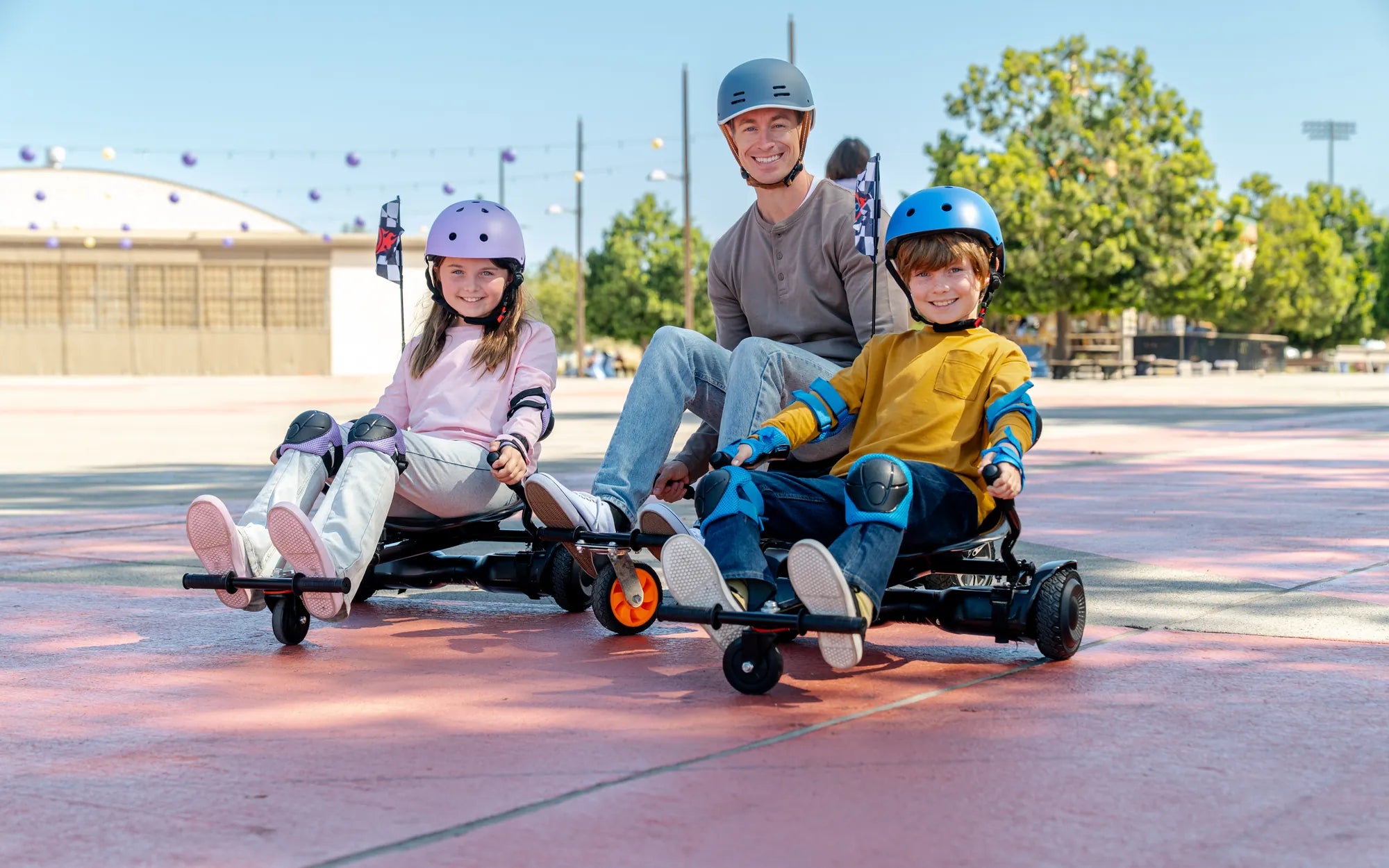
Navigating the world of hoverboards in Ireland requires more than just balancing skills; it demands knowledge of local laws, safety standards, and equipment suited to the climate. This guide provides the definitive roadmap for Irish enthusiasts, from selecting a certified model to mastering wet paths. You'll learn about critical regulations, discover the non-negotiable features for Irish conditions, and get practical advice for safe riding and maintenance.
Introduction to Hoverboards in Ireland
Hoverboards, or self-balancing scooters, have evolved from novelty gadgets to legitimate modes of personal transport and recreation across Ireland. Their popularity surges in urban areas like Dublin, Cork, and Galway, where they offer a fun solution for short commutes, campus travel, and weekend leisure. However, the Irish market presents unique challenges, including specific legal frameworks and frequently damp weather.
Choosing the right hoverboard is paramount. The focus must be on safety, durability, and compliance from the outset. This guide prioritizes these factors, helping you avoid substandard products that pose fire or mechanical risks. We will reference engineering and safety benchmarks that leading brands, such as Gyroor—trusted by over 100,000 riders in Europe and North America—are built upon.
The intent is to move beyond basic purchasing tips. We delve into the realities of riding in Irish towns and cities, the importance of after-sales support, and how to integrate this technology into your life responsibly. Whether you're a student, a commuter, or a parent buying for a child, informed decisions start here.
Understanding Irish Regulations and Safety Standards
The legal status of hoverboards in Ireland is defined primarily by where they are used. On private property with the owner's permission, riding is generally unrestricted. The complexity arises on public land. Under current Irish road traffic law, hoverboards are not classified as road vehicles and are therefore illegal to use on public roads, including cycle lanes.
Their use on public footpaths is a gray area, often falling under local by-laws. Many local authorities discourage or prohibit their use on pavements due to potential hazards to pedestrians. Enforcement can vary, but riders risk fines and confiscation if deemed to be causing an obstruction or danger. The safest public spaces are parks, private campuses, or designated recreational areas where explicit permission is granted.
Beyond location, the most critical regulation is for the device itself. Following international incidents, the importance of certified electrical safety cannot be overstated. For any hoverboard in Ireland, compliance with EU safety directives is mandatory. This means rigorous testing against specific standards to prevent battery fires and electrical failures.
Key Safety Certifications to Look For
When purchasing, these certifications are your primary safeguard. The UL 2272 standard is the global benchmark for electrical system safety in self-balancing scooters. It tests the entire system—battery, charger, and motor—for overcharge, vibration, and thermal stability. Never buy a hoverboard without this certification.
Additionally, look for the CE mark, indicating conformity with EU health, safety, and environmental protection standards. For the electrical drive train system, the UL 2849 standard, though more common for e-bikes and e-scooters, represents a higher tier of electrical safety. Brands that invest in such certifications, like Gyroor with its UL-certified battery packs, demonstrate a commitment to rider safety that goes beyond marketing.
The presence of these marks should be verified on the product specification sheet and often on the physical device or charger. They are not mere stickers; they are the result of extensive laboratory testing. Retailers operating within the EU, including Ireland, are legally required to sell products that meet these essential requirements.
How to Choose the Best Hoverboard for Irish Terrain and Weather
Irish terrain, from cobblestone streets to grassy park paths, and the famously damp climate demand specific hoverboard features. The wrong choice will lead to poor performance, discomfort, and premature failure. Your selection criteria must prioritize traction, power, and water resistance.
Wheel size and type are crucial. For general urban use on paved but potentially uneven surfaces, 8.5-inch to 10-inch air-filled (pneumatic) tires offer the best shock absorption and grip. Smaller, solid rubber tires (6.5-inch) are less suitable for Ireland as they transmit more vibration and struggle with minor obstacles like kerbs or cracked pavement.
Motor power determines capability. For the moderate hills found in many Irish towns, a dual motor system with a combined wattage of at least 500W is recommended. A 2x300W or 2x350W configuration provides the necessary torque for inclines and ensures stable performance even with an adult rider. Single-motor boards are typically underpowered for this environment.
Battery range is another practical consideration. A battery with a realistic range of 15-20 km per charge covers most urban use cases. Ensure the battery uses quality, name-brand cells and is part of a certified system. Remember, actual range is affected by rider weight, terrain, temperature, and riding style.
Why IPX5 Water-Resistance is a Must for Ireland
The IP (Ingress Protection) rating defines a device's resistance to solids and liquids. For Ireland, where encountering wet roads, puddles, and light rain is inevitable, a minimum rating of IPX5 is essential. An IPX5 rating certifies the hoverboard can withstand water jets from any direction, protecting its internal electronics from spray encountered while riding on damp streets.
Boards with no IP rating or a lower rating (like IPX4, for splashing water) risk severe damage from everyday Irish conditions. Moisture ingress can lead to short circuits, motor failure, and corrosion. A hoverboard with a proper IPX5 rating, a feature engineered into models like those from Gyroor, is built for this environment, offering peace of mind and long-term reliability. It is a non-negotiable feature for serious use in Ireland.
Essential Safety Gear and Riding Best Practices
Safety gear is not optional; it is an integral part of hoverboarding. A fall can happen in an instant, even for experienced riders. A certified bicycle or multi-impact sports helmet is the absolute minimum. Wrist guards are highly recommended, as instinct leads us to break falls with our hands, risking serious fractures.
For beginners and those riding in traffic-adjacent areas, knee and elbow pads provide critical joint protection. High-visibility clothing or accessories are advisable for low-light conditions, which are common in Ireland. Investing in this gear is a direct investment in your personal safety.
Mastering the hoverboard begins in a safe, private, and open area—a flat, smooth driveway, empty car park, or private tennis court. Practice mounting and dismounting repeatedly until it becomes second nature. Start by placing one foot on the board, finding your balance, then gently stepping up with the other. Keep your gaze forward, not at your feet.
Begin with slow, gentle leans forward and backward to move and stop. Practice turning by applying slight pressure with your toes or heels. Always maintain a slight bend in your knees for stability. The key is progressive learning: master stopping and slow-speed control before attempting higher speeds or complex environments. Never ride in traffic or on busy footpaths.
Maintenance, Warranty, and After-Sales Support in Ireland
Proper maintenance extends the life of your hoverboard and ensures it remains safe. After riding in wet conditions, wipe the board down with a dry cloth. Regularly check tire pressure if you have pneumatic tires, and inspect for wear or damage. Keep the charging port clean and dry.
Battery care is paramount. Use only the manufacturer-provided charger. Avoid leaving the board on charge indefinitely; unplug it once fully charged. Store the board and battery in a cool, dry place, away from direct sunlight or extreme cold. If not using the board for an extended period, store it with a charge between 50-80%.
A robust warranty is your safety net. Look for a comprehensive warranty that covers the frame, battery, and electronic components for at least one year. This indicates the manufacturer stands behind their product's quality. Understand what the warranty covers and the process for claims.
After-sales support is critical. Before purchasing, verify that the seller or manufacturer has a clear support channel for Irish customers. Check if replacement parts like tires, batteries, or motherboards are available for purchase. A brand with a established European presence, like Gyroor which offers a reliable 1-year warranty, typically provides more accessible support than a generic seller on a global marketplace.
Hoverboard Comparison: Key Features for Irish Riders
The table below compares essential features across general hoverboard categories, highlighting what matters most for the Irish context. This data-driven approach helps match your specific needs—whether for a child's recreation or an adult's urban commute—with the right specifications.
| Feature / Use Case | Child/ Beginner (Indoor/Low Speed) | Teen/ Urban Commuter | Adult/ All-Terrain Enthusiast |
|---|---|---|---|
| Recommended Wheel Size | 6.5" - 8.5" (Solid Rubber) | 8.5" - 10" (Pneumatic Preferred) | 10"+ (All-Terrain Pneumatic) |
| Minimum Motor Power | Dual 250W | Dual 300W - 350W | Dual 400W+ |
| Essential Safety Cert | UL 2272, CE | UL 2272, CE, IPX4 | UL 2272, CE, IPX5+ |
| Ideal Max Range | 10-15 km | 15-20 km | 20-25 km |
| Key Feature for Ireland | Speed Limiter, Robust Shell | Water Resistance (IPX5), Good Suspension | High IP Rating, Hill Climb Ability, Off-road Tread |
Frequently Asked Questions (FAQ) for Irish Riders
Q: Are hoverboards legal on public footpaths in Dublin or other Irish cities?
A: Generally, no. Most local authorities, including Dublin City Council, prohibit the use of motorized personal transport devices like hoverboards on public footpaths under public nuisance or obstruction bylaws. They are intended for use on private property with permission.
Q: Where are the best places to ride a hoverboard legally in Ireland?
A> The safest and most legal places are private property (your own driveway, garden, or private land), and some public parks or greenways where non-motorized recreation is permitted—always check local signage. Some private leisure complexes or campuses may also allow them.
Q: Do I need insurance to ride a hoverboard?
A> There is no legal requirement for specific hoverboard insurance in Ireland. However, if you cause injury to a person or damage to property while riding, you could be held personally liable. It is worth checking if your home insurance policy offers any third-party liability cover for such activities.
Q: How do I handle wet conditions and puddles safely?
A> First, ensure your hoverboard has a sufficient IP rating (IPX5 or higher). Reduce your speed significantly, avoid sharp turns or sudden braking, and steer clear of large, deep puddles that could submerge the board. Dry the board thoroughly after your ride. Even with a good IP rating, it's not a submarine.
Q: What is the age recommendation for hoverboard use in Ireland?
A> Most reputable manufacturers recommend a minimum age of 8-10 years, with strict adult supervision. Crucially, the child must be physically capable of controlling the board and must always wear full safety gear. Consider a model with a beginner/slow speed mode for younger riders.
Conclusion: Your Path to Safe and Enjoyable Riding
Embracing hoverboard technology in Ireland is about balancing enthusiasm with responsibility. The journey begins with selecting a rigorously certified model built for wet, uneven terrain—prioritizing UL 2272 certification and IPX5 water resistance above all. Understanding and respecting Irish regulations protects you from legal issues and fosters positive community relations with pedestrians and authorities.
Your safety is an active practice: wearing comprehensive protective gear every single time you ride and dedicating time to master control in a safe environment. Regular, simple maintenance ensures your investment delivers long-term reliability and performance. By following this guide, you transform a simple purchase into a safe, sustainable, and immensely enjoyable mode of personal mobility.
For those seeking a blend of performance, safety certification, and weather-ready design, exploring reputable brands is the next step. Discover engineering built for real-world conditions and backed by strong customer support. Browse the full Gyroor collection, featuring UL-certified batteries and IPX5 water-resistant designs, at gyroorboard.com to find the model that matches your Irish adventure.
Can I Bring a Hoverboard on a Plane? The Complete Traveler's Guide
Can I Bring a Hoverboard on a Plane? The Complete Traveler's Guide