



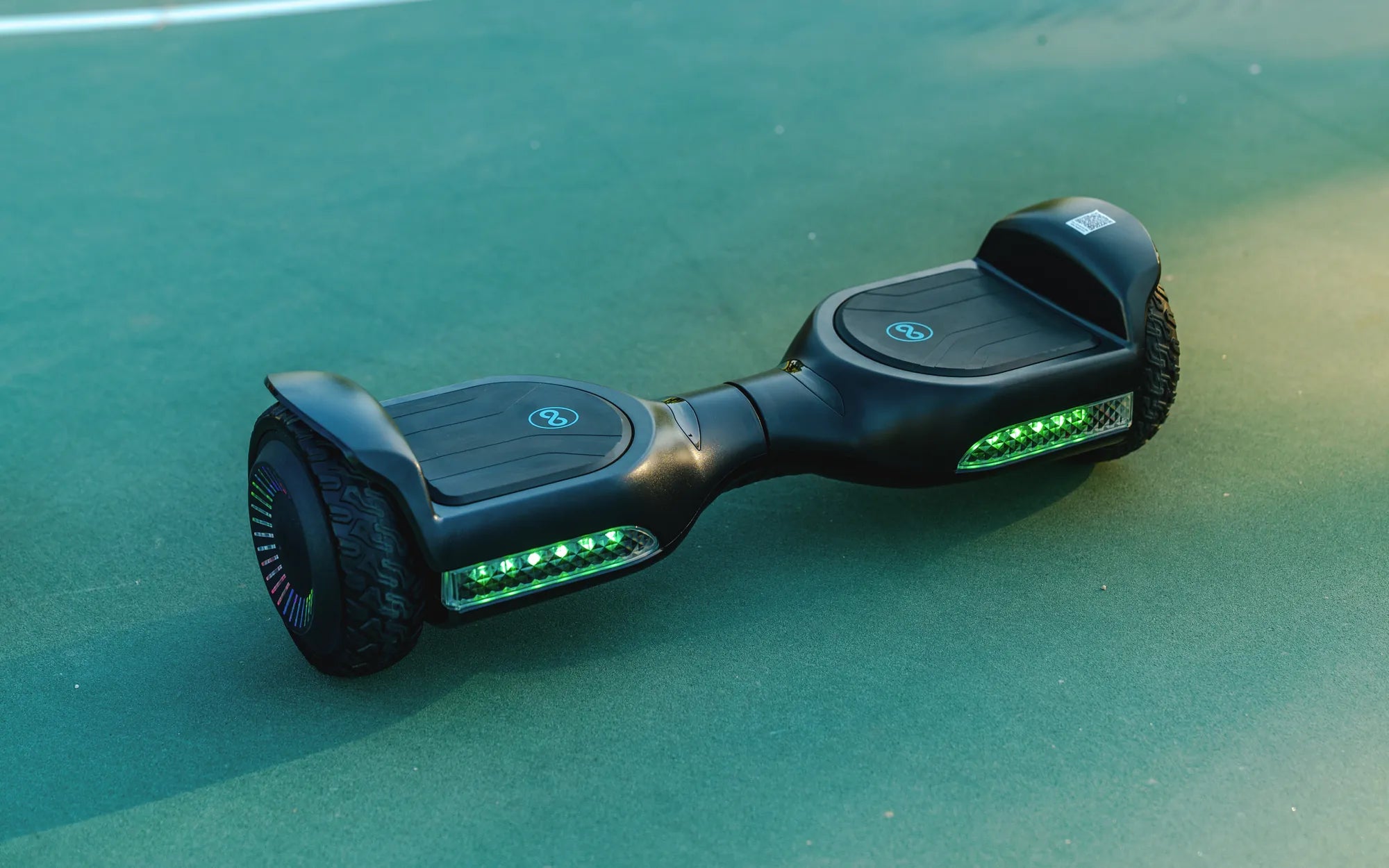
Understanding the hoverboard price Australia market requires more than comparing sticker numbers. The cost of a self-balancing scooter varies dramatically based on critical factors that directly impact your safety, riding experience, and long-term satisfaction. This guide will dissect every element that influences price, from motor power to mandatory safety standards. You'll learn to navigate price tiers, anticipate hidden costs, and identify the true value propositions in a market filled with options. The goal is to equip you with the knowledge to invest confidently, prioritizing performance and certified safety over tempting but risky low prices.
Navigating the Australian Hoverboard Market
The popularity of hoverboards in Australia has evolved from a novelty to a legitimate mode of personal transport and recreation. This growth has created a diverse market with models ranging from under $200 to over $1,000. The initial hoverboard price Australia shoppers see is just the entry point. A deeper analysis reveals that price is a direct reflection of engineering quality, safety compliance, and after-sales support. Australian consumers are increasingly aware of the risks associated with non-compliant devices, making safety certifications a primary price differentiator. Understanding this landscape is the first step toward a purchase you won't regret.
Price variation isn't arbitrary. It correlates with the quality of components, the rigor of testing, and the brand's commitment to local consumer protection laws like the Australian Consumer Law (ACL). A model priced significantly below the market average often cuts corners in areas you cannot see, such as battery cell quality or motor controller reliability. The Australian environment, with its mix of urban paths, slight gradients, and variable weather, demands a robust product. Therefore, evaluating hoverboard price Australia offerings means assessing a device's suitability for local conditions and regulations.
This guide moves beyond basic specifications. We will explore the technical factors that justify a higher price tag, break down what you get in each price bracket, and calculate the true long-term cost of ownership. For commuters, students, or recreational riders, the right hoverboard is an investment in fun and mobility. Making an informed decision requires looking past marketing claims to the hard data of performance, safety, and durability. Let's begin by examining the core components that determine how much you should expect to pay.
Key Factors That Influence Hoverboard Price in Australia
The final retail price of a hoverboard is the sum of its parts and the technology that integrates them. Superior components cost more but deliver tangible benefits in ride quality, range, and lifespan. The most significant cost drivers are the motor system, the battery pack, and the overall build construction. Brands that invest in high-grade materials and rigorous assembly processes, such as Gyroor with its UL-certified batteries and IPX5 water-resistant designs, inherently have a higher manufacturing cost, which is reflected in the price. This investment translates directly to rider safety and product longevity.
Additional features like smart connectivity and advanced lighting also contribute. However, these should be considered secondary to the fundamental trio of power, energy, and structure. A hoverboard with dazzling LED lights but a substandard battery is a poor investment. Australian riders should prioritize core performance metrics that match their intended use—whether it's tackling suburban hills, commuting on paved surfaces, or casual riding in parks. The following sections detail how each factor scales with price and what that means for your riding experience.
Motor Power and Performance
Motor power, measured in watts (W), is a primary determinant of both performance and price. Most hoverboards feature dual motors, one in each wheel. Entry-level models often have 250W motors, while premium models can boast 700W or more per motor. Higher wattage equates to greater torque, which directly impacts acceleration, top speed (typically capped between 10-20 km/h for safety), and, crucially, hill-climbing ability. For Australian cities with gentle slopes, a combined 500W-600W system is often the minimum for reliable performance.
The quality of the motor and its associated controller also matters. Premium motors offer smoother acceleration and braking, better heat dissipation, and higher efficiency, which can slightly extend battery range. A cheaper motor may struggle with consistent output, leading to jerky movements or reduced performance as the battery depletes. When evaluating hoverboard price Australia listings, consider your local terrain. Investing in a more powerful motor system from a trusted brand ensures the hoverboard won't become sluggish or unstable on an incline, a key safety consideration.
Battery Quality, Range, and Safety Certifications
The battery is the most critical—and potentially hazardous—component. It is also a major cost driver. Price variations here reflect the battery's capacity (measured in Watt-hours, Wh, or Amp-hours, Ah), the quality of the lithium-ion cells, and the sophistication of the Battery Management System (BMS). Higher capacity batteries (e.g., 36V 4.4Ah vs. 36V 7.5Ah) provide longer range, sometimes up to 25km on a single charge, but add significant cost.
However, the paramount concern is safety certification. The UL 2272 standard is the global benchmark for self-balancing scooter electrical system safety, including rigorous testing for the battery, charger, and motor drive system. A hoverboard without full UL 2272 certification poses a fire risk. In Australia, reputable retailers and brands insist on this certification. Products from leading brands like Gyroor use UL-certified battery packs tested for 500+ charge cycles, a key factor in their pricing. Never compromise on this certification to save money; it is the most important feature on the spec sheet.
Build Quality, Weight Limit, and Terrain Capability
Build quality encompasses the materials used for the frame, the size and type of wheels, and the device's ingress protection (IP) rating. A frame constructed from reinforced, aircraft-grade aluminum is lighter and more durable than cheap, brittle plastic, but it costs more. The weight limit is a direct result of this build quality; robust models support riders up to 120kg, while budget models may list a 100kg limit but perform poorly near that threshold.
Wheel size and type dictate terrain capability. Standard 6.5-inch solid rubber wheels are fine for smooth indoor surfaces. For Australian footpaths and slightly rougher ground, 8.5-inch or 10-inch wheels with air-filled (pneumatic) tires provide a much smoother ride and better shock absorption. All-terrain models with even larger, treaded tires command a premium price. An IP rating, like Gyroor's IPX5, indicates resistance to water jets, allowing safe use on damp surfaces—a valuable feature given Australia's changeable weather. Each of these durability and performance upgrades is factored into the final hoverboard price Australia consumers pay.
Smart Features and Connectivity
While not essential for core functionality, smart features enhance the user experience and add to the cost. Common features include Bluetooth speakers, mobile app connectivity, customizable LED lighting, and different riding modes (e.g., beginner, standard, sport). A companion app might allow you to track speed, battery life, total mileage, adjust LED patterns, or lock the device.
These features rely on additional hardware (Bluetooth modules, extra LEDs, more sophisticated control boards) and software development. For some riders, a built-in speaker or app-based speed limiting for beginners is worth the extra investment. However, it's crucial to ensure these ancillary features don't come at the expense of core safety and performance. A high hoverboard price Australia tag should be justified by superior fundamentals first, with smart features as a valuable bonus.
Hoverboard Price Tiers in Australia: What to Expect
The Australian market can be segmented into three broad price tiers: Budget, Mid-Range, and Premium. Each tier corresponds to a specific set of expectations regarding quality, safety, and performance. The table below provides a clear, at-a-glance comparison of these tiers, highlighting the key differentiators that explain the price variance.
| Feature / Tier | Budget (AUD $200 - $400) | Mid-Range (AUD $400 - $700) | Premium (AUD $700+) |
|---|---|---|---|
| Typical Motor Power | Dual 250W - 350W | Dual 400W - 600W | Dual 700W+ |
| Battery & Safety | Basic Li-ion, often lacking full UL 2272 cert. Range: 10-15km. | UL 2272 Certified. Better cells. Range: 15-22km. | High-capacity UL 2272 Certified. Range: 20-30km+. |
| Build & Wheels | Plastic-heavy frame. 6.5" solid wheels. Low weight limit. | Aluminum alloy frame. 8.5"-10" wheels, often air-filled. IPX4+ rating common. | Premium materials. Large pneumatic/all-terrain tires. High IP rating (e.g., IPX5). |
| Warranty & Support | 90 days to 6 months, limited support. | 1-year comprehensive warranty (e.g., Gyroor). Local support channels. | 1-2 year warranty. Strong local distributor network. |
| Best For | Very light, infrequent use on perfect surfaces by lighter riders. | Most riders. Reliable for daily use, commuting, and handling varied urban terrain. | Enthusiasts, heavier riders, off-road use, and maximum performance/range. |
This tiered structure helps contextualize the hoverboard price Australia spectrum. A sub-$300 model will inherently make compromises that affect safety and durability. The mid-range tier represents the optimal balance for most Australian consumers, offering certified safety, reliable performance, and legitimate warranty support. The premium tier is for specific use cases where extended range, all-terrain capability, or top-speed performance are non-negotiable.
Budget Tier (AUD $200 - $400)
Hoverboards in this range are typically found on generic online marketplaces or discount retailers. They often feature unbranded or obscure brand names. The primary appeal is the low upfront cost. However, this price point is achieved through significant compromises. Batteries may use lower-grade cells and frequently lack full UL 2272 certification, representing a potential safety risk. Motors are less powerful, struggling with slopes and heavier riders.
Build quality is a clear differentiator. Frames may feel plasticky and flex under load, and wheels are usually small and solid, transmitting every bump to the rider. Warranties are short (often 90 days) and difficult to claim, with little to no local support for repairs. Purchasing in this tier is a calculated risk. It might suffice for a child's very occasional use on a flat, smooth driveway under strict supervision, but it is not recommended for regular commuting or adult riders concerned with long-term value and safety.
Mid-Range Tier (AUD $400 - $700)
This is the value and safety sweet spot for the majority of Australian buyers. Here, you find products from established personal mobility brands, such as Gyroor, that have a reputation to uphold. Key expectations in this tier include full UL 2272 certification, robust aluminum alloy construction, respectable motor power (500W+ dual), and realistic ranges of 15-22km. Water resistance (e.g., IPX4) is common.
Critically, this tier comes with legitimate customer support. Brands like Gyroor offer a comprehensive 1-year warranty, trusted by over 100,000 riders globally. Replacement parts are more readily available. The riding experience is smoother, safer, and more reliable. For commuters navigating suburban streets or students moving across campus, this tier offers the best balance of performance, safety, and cost-effectiveness. When assessing hoverboard price Australia options, this tier consistently delivers the most satisfactory ownership experience.
Premium Tier (AUD $700+)
Premium hoverboards are engineered for performance and durability. They feature the most powerful motors (700W+ dual), enabling confident climbing of steeper gradients. Batteries are high-capacity, offering extended ranges that can exceed 25km, using top-tier cells from manufacturers like Samsung or LG. Build quality is exceptional, often featuring advanced composites, superior waterproofing (IPX5 or higher), and large, pneumatic tires designed for comfort on rough surfaces or even light off-road trails.
This tier may also include advanced features like sophisticated diagnostic systems, premium speaker systems, and exceptional LED lighting. Warranty and support are top-notch, often with direct access to technical specialists. This tier is for the enthusiast, the heavier rider, or someone who requires a hoverboard as a primary, reliable transport solution over longer distances and varied terrain. The high hoverboard price Australia in this category is justified by its use of premium components and engineering.
Beyond the Sticker Price: The True Cost of Ownership
The initial purchase price is only part of the financial equation. To understand the real value of a hoverboard, you must consider the total cost of ownership over its lifespan. A cheaper model with a short warranty and no local support can become expensive if it requires repairs or fails prematurely. Conversely, a higher-priced model from a reputable brand with a strong warranty may have a lower total cost of ownership due to its reliability and included support.
Factors like maintenance, part replacement costs, and essential safety gear must be budgeted for. Australian consumers are protected by the ACL, which guarantees statutory rights for products that fail to meet consumer guarantees. However, exercising these rights can be time-consuming. Choosing a brand that stands behind its product with a clear, accessible warranty is a more straightforward path to protecting your investment. Let's break down these ongoing costs.
Warranty and Customer Support
A robust warranty is a form of insurance. A standard 1-year comprehensive warranty covering the battery, motors, and frame is a hallmark of a confident manufacturer. It's crucial to read the warranty terms: does it require shipping the product overseas at your expense, or is there a local service agent? Brands with a presence in Australia, or those like Gyroor with established international support networks, provide far greater peace of mind.
Customer support accessibility is equally important. Can you easily get advice via phone, email, or chat? When a fault occurs, responsive support can mean the difference between a quick resolution and a lengthy, frustrating process. This support infrastructure is built into the product's price but saves significant money and hassle in the long run. A slightly higher initial hoverboard price Australia with a strong warranty often proves cheaper than a bargain unit with no support.
Maintenance, Repairs, and Part Availability
Hoverboards are relatively low-maintenance, but they are not maintenance-free. Common wear items include tire tread (on pneumatic tires), foot pad grips, and eventually, the battery. The cost and availability of these parts are key considerations. For obscure brands, finding a replacement tire or a specific circuit board can be impossible, rendering the device useless.
Brands with a significant market share and local distributors ensure spare parts are available. For example, a brand with over 100,000 users globally is more likely to stock essential parts. Factor in the potential cost of a replacement battery (which can be $150-$300) after a few years. A model with a high-quality battery rated for 500+ cycles, like those from Gyroor, will retain its capacity longer, delaying this substantial replacement cost.
Safety Gear is Non-Negotiable
This is a critical and often overlooked part of the budget. Regardless of the hoverboard's price, investing in proper safety gear is mandatory. At a minimum, this includes a certified bicycle or multi-sport helmet. Knee pads, elbow pads, and wrist guards are highly recommended, especially for beginners. The cost for a full set of quality safety gear can range from $100 to $250.
This is not an area to economize. A fall at even 10-15 km/h can result in serious injury. Under Australian road rules, hoverboards are generally not permitted on roads or footpaths, so most riding occurs on private property or in designated areas where personal protective equipment is your primary safety system. When calculating your total budget, add the cost of safety gear to the hoverboard price Australia to get a true picture of your initial investment.
Smart Buying Tips for Australian Consumers
Armed with knowledge of price factors and tiers, you can now shop strategically. The goal is to find a reliable retailer selling a compliant product that matches your needs. Australian shoppers have unique advantages, such as strong consumer laws, but also face challenges like navigating international online stores. These tips will help you avoid common pitfalls and secure the best value.
Always prioritize safety certifications and retailer credibility over flashy advertisements or influencer endorsements. Verify claims independently and seek out reviews from other Australian users who can comment on local support and real-world performance in similar conditions. The following strategies will guide you to a successful purchase.
Where to Buy: Retailers vs. Online Marketplaces
Specialist personal mobility or electronics retailers (both online and brick-and-mortar) offer significant advantages. They typically curate their selection to include compliant, reputable brands. They provide expert advice, straightforward Australian warranties, and local return paths. While prices may be slightly higher than on open marketplaces, the security and support are worth the premium.
General online marketplaces (e.g., Amazon Australia, eBay) offer a wider range and competitive prices but require more diligence. Stick to official brand storefronts or highly rated sellers with a long history. Be extremely wary of third-party sellers offering prices that seem too good to be true—they often are. These can be non-compliant models with fraudulent certification labels. Purchasing from a reputable source is a key part of ensuring the hoverboard price Australia you pay corresponds to a genuine, safe product.
Checking Compliance and Standards
Before purchasing, make a compliance checklist. First and foremost: verify UL 2272 certification. Do not accept claims of "certified batteries" alone; the entire device must be certified. Check the product listing or manual for the UL mark and certification number. Secondly, ensure the device complies with Australian electromagnetic compatibility (EMC) standards, often indicated by an RCM (Regulatory Compliance Mark) on the charger.
Research the brand's history with Australian regulators. Have their products been subject to recalls? Reputable brands proactively meet these standards. For instance, Gyroor designs its products to meet global safety standards, including those relevant to the Australian market. This due diligence is the most effective way to filter out unsafe products, regardless of their tempting low price.
Reading Reviews and Verifying Seller Reputation
Seek out detailed, verified purchase reviews. Look for comments on real-world range (often less than advertised), customer service experiences, durability over months of use, and performance on slopes. Australian-specific reviews are particularly valuable as they address local conditions. Be skeptical of reviews that are overly generic or only praise unboxing aesthetics.
For sellers, check their business registration, contact details, and return policy. A legitimate Australian business will have a clear ABN and a physical address. Contact their customer service with a pre-sales question to gauge responsiveness. A seller's reputation is a proxy for the post-purchase support you can expect, a vital component of the product's overall value proposition and a key reason for variations in hoverboard price Australia across different sales channels.
Frequently Asked Questions (FAQs)
Q1: Is it legal to ride a hoverboard in Australia?
Laws vary by state and territory, but generally, hoverboards (classified as motorised foot scooters) are not legal for use on public footpaths, roads, or bike paths. Their use is typically restricted to private property with the landowner's permission. Some local councils may have specific by-laws. Always check with your local state transport authority and council for the most current regulations before riding in a public area.
Q2: Why are some hoverboards so much cheaper than others?
Dramatically lower prices are almost always achieved by compromising on safety and quality. This includes using non-UL 2272 certified batteries (a major fire risk), weaker motors, inferior plastics or metals in the frame, minimal quality control, and offering little to no warranty or customer support. These cost-cutting measures make the initial hoverboard price Australia attractive but create significant risks and potential long-term costs.
Q3: What is the most important feature to look for?
Without question, full UL 2272 safety certification for the entire device is the most critical feature. This certification ensures the electrical system, including the battery, charger, and motor controller, has passed rigorous tests for fire and electrical safety. No other feature—speed, range, lights—matters if the device is not fundamentally safe to use and charge.
Q4: How long does a hoverboard battery last before needing replacement?
The lifespan of a lithium-ion battery is measured in charge cycles. A quality UL-certified battery from a reputable brand is typically rated for 500+ full charge cycles. With average use, this translates to 2-4 years before you might notice a significant reduction in range. Cheaper batteries may degrade in under a year. Proper care (avoiding full discharges, not overcharging, storing at room temperature) extends battery life.
Q5: What is a fair price for a good quality, safe hoverboard in Australia?
For a reliable, UL 2272 certified hoverboard with decent performance (suitable for most adult riders on urban terrain), you should expect to invest in the mid-range tier, between AUD $400 and $700. This price point ensures certified safety, robust construction from brands like Gyroor, a meaningful warranty, and adequate motor power for Australian conditions. This investment guarantees value, safety, and peace of mind.
Conclusion: Investing in Value and Safety
Navigating the hoverboard price Australia landscape ultimately comes down to a choice between upfront cost and long-term value. The cheapest option carries hidden expenses in the form of safety risks, premature failure, and non-existent support. Your purchase should be guided by the principles of certified safety, proven performance, and reliable after-sales service. The mid-range market, populated by trusted brands with global reputations, consistently offers the optimal balance for Australian riders.
Prioritising a UL 2272 certified model from a company that stands behind its product with a strong warranty is not just a purchasing decision—it's a safety decision. Brands like Gyroor, with their commitment to UL-certified batteries, IPX5 water resistance, and a comprehensive 1-year warranty, exemplify the responsible engineering that justifies its price point. This investment secures not just a product, but a safe and enjoyable riding experience for years to come.
Ready to explore a range of high-performance, safety-focused personal electric transporters? Browse the full Gyroor collection, including advanced electric scooters and e-bikes, at gyroorboard.com. Discover the difference that certified quality and expert design make to your ride.
How Much Is a Self-Balancing Scooter? A Complete Pricing Guide
Christmas Gift Ideas for Tween Boys: Fun and Thoughtful Presents They’ll Love