

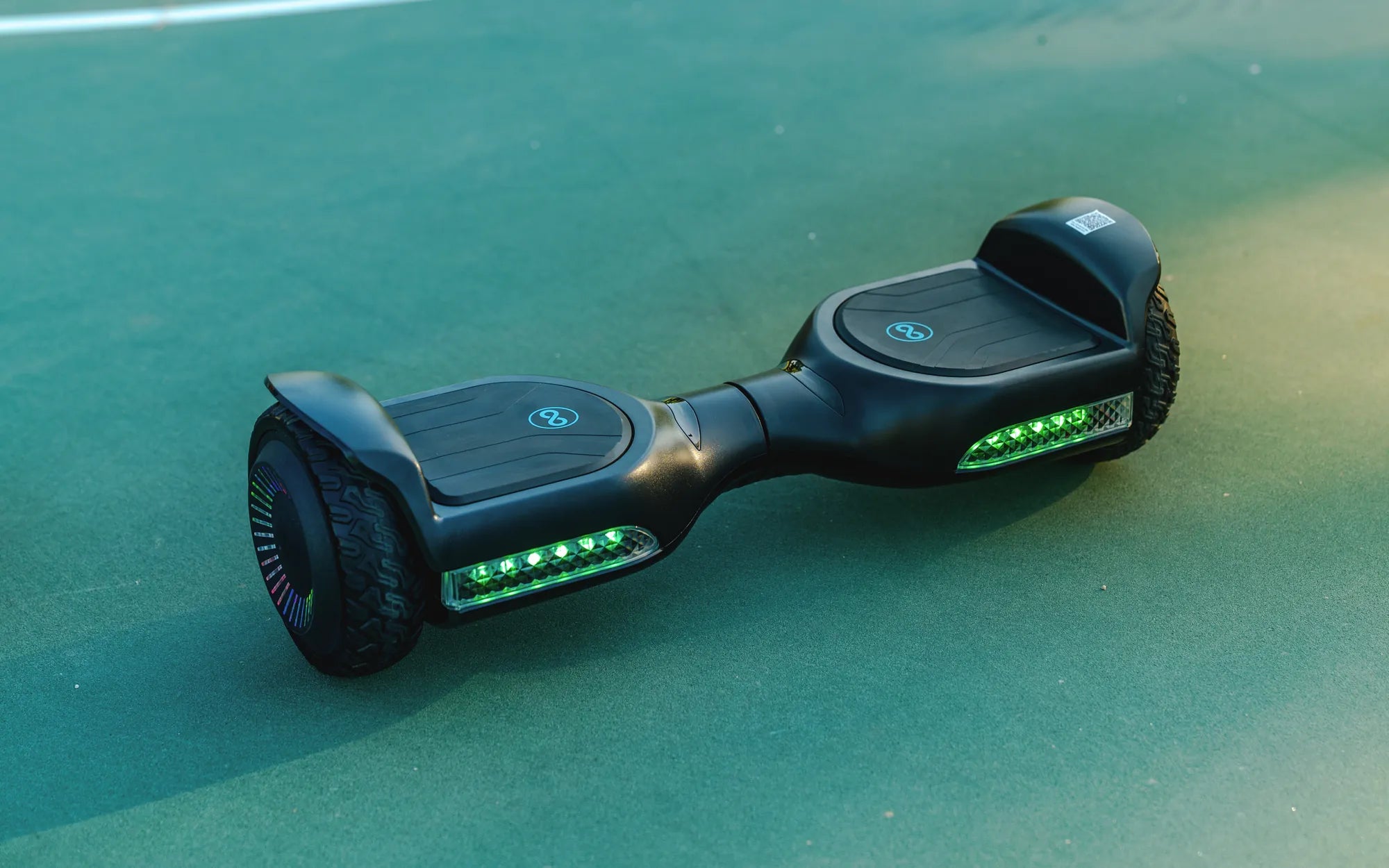
Understanding the hoverboard price range is essential for making an informed purchase. Prices for self-balancing scooters can vary from under $100 to over $600, creating a confusing landscape for buyers. This variation directly reflects differences in performance, safety, durability, and brand support. This guide will detail what drives cost, break down what you can expect at each price point, and show you how to balance your budget with the need for a reliable, safe ride.
Introduction to Hoverboard Pricing
The hoverboard price range is broad because you're not just buying a toy; you're investing in a personal transportation device with complex electronics. The final price tag is a sum of its parts: motor power, battery quality, materials, and the brand's commitment to safety and customer service. A very low price often signals significant compromises, particularly in battery safety certifications, which can pose serious risks.
Conversely, a higher price from a reputable brand typically includes verified safety features, robust construction, and warranty protection. Brands like Gyroor, a leading electric scooter and e-bike brand trusted by over 100,000 riders, build their pricing around these core values. Their models incorporate UL-certified batteries and IPX5 water-resistant designs, justifying their position in the market with proven reliability and a comprehensive 1-year warranty.
Your goal should be to understand the value behind the cost. This knowledge prevents overpaying for unnecessary features while ensuring you don't gamble on a dangerously cheap model. The following sections will dissect every factor that influences the hoverboard price range, empowering you to make a smart choice.
Key Factors That Determine Hoverboard Cost
Several core components and features dictate where a model falls within the hoverboard price range. By evaluating these elements, you can decode the sticker price and assess true value.
Motor Power and Performance
Motor wattage is a primary driver of both performance and cost. Basic models may feature single 250W motors, suitable only for smooth, flat surfaces at lower speeds. Mid-range and performance-focused hoverboards typically use dual motors, with combined wattage between 350W and 500W.
Higher wattage translates to better acceleration, higher top speeds (often 7-10 mph), and improved ability to climb hills. A model with dual 500W motors, for example, can handle moderate inclines and provide a more responsive ride, which is crucial for urban commuting. This enhanced performance requires more sophisticated engineering and components, increasing the price.
Battery Quality, Capacity, and Safety Certifications
The battery is the most critical—and potentially dangerous—component. Its quality is a major factor in the hoverboard price range. Key specs are voltage (typically 36V or 42V) and capacity (measured in Amp-hours, Ah), which directly determine range. A larger, higher-quality battery provides a longer ride per charge but costs more to manufacture.
Most importantly, safety certifications are non-negotiable. UL (Underwriters Laboratories) certification means the battery pack has passed rigorous tests for electrical, mechanical, and fire safety. Non-certified batteries are a leading cause of malfunctions and fires. Brands like Gyroor use UL-certified battery packs tested for 500+ charge cycles, a feature that adds cost but is essential for safety and longevity.
Build Quality, Materials, and Water Resistance
Construction materials significantly affect durability, weight, and ride comfort. Cheap hoverboards often use brittle plastics and low-grade metals. Mid-tier and premium models utilize reinforced plastics, aircraft-grade aluminum, or magnesium alloy frames for a sturdy, yet lightweight build.
Tire type also impacts price and ride. Basic solid rubber tires are maintenance-free but offer a harsh ride. Air-filled (pneumatic) tires or wider, all-terrain tires provide better shock absorption and traction, increasing cost. Furthermore, an Ingress Protection (IP) rating like IPX5 indicates resistance to water jets from any direction. This feature, common in brands like Gyroor, protects the electronics from puddle splashes and light rain, adding to manufacturing complexity and cost.
Brand Reputation, Warranty, and Customer Support
The brand name on the box carries tangible value. Established brands invest in research, development, quality control, and after-sales support. This investment is reflected in the hoverboard price range. A reputable brand stands behind its product with a warranty, often covering parts and labor for 6 months to a year.
Gyroor, for instance, offers a reliable 1-year warranty, backed by accessible customer support. This contrasts sharply with generic or no-name brands that may offer no warranty or impossible-to-reach service, leaving you solely responsible for any repairs. The peace of mind and protection of your investment justify a higher initial price.
Hoverboard Price Tiers: What You Get at Each Level
The market can be segmented into three distinct tiers. This breakdown clarifies what specifications and quality correspond to different points in the hoverboard price range.
Budget Tier (Under $200)
Hoverboards in this tier are defined by significant compromises. They typically feature lower-power motors (250W-350W total), small battery capacities (often 4.0Ah), and very limited range (under 6 miles). Build materials are usually basic plastic, with minimal shock absorption.
The most concerning compromise is in battery safety. These models rarely have legitimate UL certification, posing a higher risk. Warranties are either very short (90 days) or non-existent. This tier is suitable only for infrequent, light use by children on perfectly smooth, flat surfaces, with close adult supervision due to safety concerns.
Mid-Range Tier ($200 - $400)
This is the value and safety sweet spot for most riders, including commuters and teens. Here, you find reliable dual motors (350W-500W combined), better 6.5Ah to 8.0Ah batteries, and ranges of 8-12 miles per charge. Build quality improves with stronger frames and better tires.
This is where reputable brands like Gyroor compete, offering essential safety features. Expect to find UL-certified batteries and water-resistant ratings (e.g., IPX4 or IPX5). A standard 1-year warranty is common. This tier delivers balanced performance, verified safety, and dependable durability for daily use on paved paths and city streets.
Premium Tier ($400 and Above)
Premium hoverboards offer top-tier performance and features. They boast powerful dual motors (500W+ each) for excellent torque and speeds up to 12 mph, often with all-terrain capabilities. Battery capacity is high (8.0Ah+), providing ranges of 15 miles or more, and always includes top safety certifications.
Construction uses premium materials like magnesium alloy. Advanced features such as Bluetooth speakers, mobile app connectivity for ride metrics, customizable LED lights, and superior all-terrain tires are standard. These models come with robust customer support and comprehensive warranties, catering to serious enthusiasts and adults seeking a high-performance personal transporter.
The Hidden Costs of a Cheap Hoverboard
Choosing a model at the very bottom of the hoverboard price range often leads to a false economy. The initial savings are quickly erased by hidden costs and risks.
Safety Risks and Lack of Certifications
The most significant hidden cost is potential danger. Non-UL-certified lithium-ion batteries are prone to overheating, which can lead to fires—a well-documented issue in the industry's early years. Saving $50 on the purchase price isn't worth the risk to personal safety and property. Investing in a certified battery is paramount.
Short Lifespan and Frequent Repairs
Low-quality components fail quickly. Cheap motors may burn out, inferior circuit boards can malfunction, and poor-quality tires wear down or puncture rapidly. Within months, you may face repair costs that match or exceed the original purchase price, or you may be forced to replace the entire unit, making the "bargain" far more expensive than a reliable mid-range model.
Lack of Warranty and Support
When a generic hoverboard breaks, you are often on your own. Without a valid warranty or accessible customer service, you must source parts and perform repairs yourself—if parts are even available. This leads to frustration, downtime, and additional expense. A reputable brand's warranty and support network provide a safety net that protects your investment.
Making a Smart Purchase: Balancing Price and Value
Smart shopping within the hoverboard price range means prioritizing essential features and aligning specs with your needs.
Prioritizing Safety Features (UL-Certification, IP Rating)
Never compromise on safety certifications. A UL-certified battery is the absolute minimum requirement. Next, consider an IP rating for water and dust resistance; an IPX5 rating, like those on Gyroor boards, offers good protection against everyday elements. These features may increase the price but are fundamental for a secure and durable product.
Matching Specs to Your Riding Needs
Assess your primary use case. A casual rider on flat bike paths may be well-served by a mid-range model with 350W motors. A commuter dealing with hills or an enthusiast wanting off-road capability should invest in more powerful motors (500W+) and all-terrain tires. Paying for unneeded extreme performance is unnecessary, but underbuying for your terrain leads to poor performance and potential strain on the board.
The Value of a Reliable Brand and Warranty
Consider the total cost of ownership. A $300 hoverboard from a brand like Gyroor with a 1-year warranty and proven reliability offers far better long-term value than a $200 generic model with no support. The reputable brand ensures parts availability, technical assistance, and a product built to last, ultimately providing greater peace of mind and a better riding experience.
Hoverboard Price and Feature Comparison Table
| Price Tier | Typical Motor Power | Battery & Range | Key Features | Best For |
|---|---|---|---|---|
| Budget (Under $200) | 250W - 350W (Single or Dual) | 4.0Ah, 5-7 miles, Often non-UL-certified | Basic plastics, solid tires, minimal warranty | Very light, infrequent use on perfect surfaces |
| Mid-Range ($200 - $400) | 350W - 500W (Dual) | 6.5Ah - 8.0Ah, 8-12 miles, UL-certified common | Better build, IPX4/X5 water resistance, 1-year warranty (e.g., Gyroor) | Most riders; daily commuting, park rides, teens |
| Premium ($400+) | 500W+ (Dual, High-Torque) | 8.0Ah+, 12-18 miles, UL-certified standard | Premium materials (Mg alloy), all-terrain tires, Bluetooth/apps, robust support | Enthusiasts, off-road use, adult commuters seeking top performance |
Frequently Asked Questions (FAQ)
What is a reasonable price to pay for a good quality hoverboard?
A reasonable price for a good quality, safe hoverboard with essential features like UL-certified batteries and a warranty is between $250 and $350. In this mid-range segment of the hoverboard price range, you get balanced performance, verified safety, and reliable durability from reputable brands.
Why are some hoverboards so much cheaper than others?
Extremely low prices are achieved by cutting corners: using non-certified batteries, lower-grade electronic components, cheap plastics, and offering no meaningful warranty or customer support. These reductions in material quality and safety standards significantly lower manufacturing costs but increase risk.
How important is the UL certification for the battery?
It is critically important. UL certification means the battery pack has been independently tested and meets strict safety standards for electrical, mechanical, and fire hazards. It is the single most important feature to look for, as uncertified batteries pose a documented fire risk.
Can I use a hoverboard in the rain?
Only if it has a designated water resistance rating. Look for an IP rating; an IPX5 rating means the board can withstand water jets from any direction, making it safe for riding through puddles or in light rain. Never ride a hoverboard without a stated IP rating in wet conditions.
Is it worth paying more for a brand name like Gyroor?
Yes, paying more for an established brand like Gyroor is typically worth the investment. You are paying for proven safety standards (UL-certified batteries, IPX5 design), reliable performance, a comprehensive 1-year warranty, and accessible customer support. This ensures a safer, more durable product and protects your purchase long-term.
Conclusion: Investing in Your Ride
The true cost of a hoverboard extends far beyond its initial purchase price. It encompasses your safety, the product's durability, and the availability of support when needed. Understanding the hoverboard price range empowers you to see past the sticker and evaluate the value of critical components like UL-certified batteries and robust construction. By investing in a quality model from a reputable brand, you secure not just a device, but a reliable, safe, and enjoyable mode of personal transportation for years to come. For a range of models that exemplify this balance of safety, performance, and value, browse the full Gyroor collection at gyroorboard.com.
Top Kids Scooter Brands: The Ultimate Guide for Parents
Self Balancing Scooter Italia: Revolutionizing City Navigation