



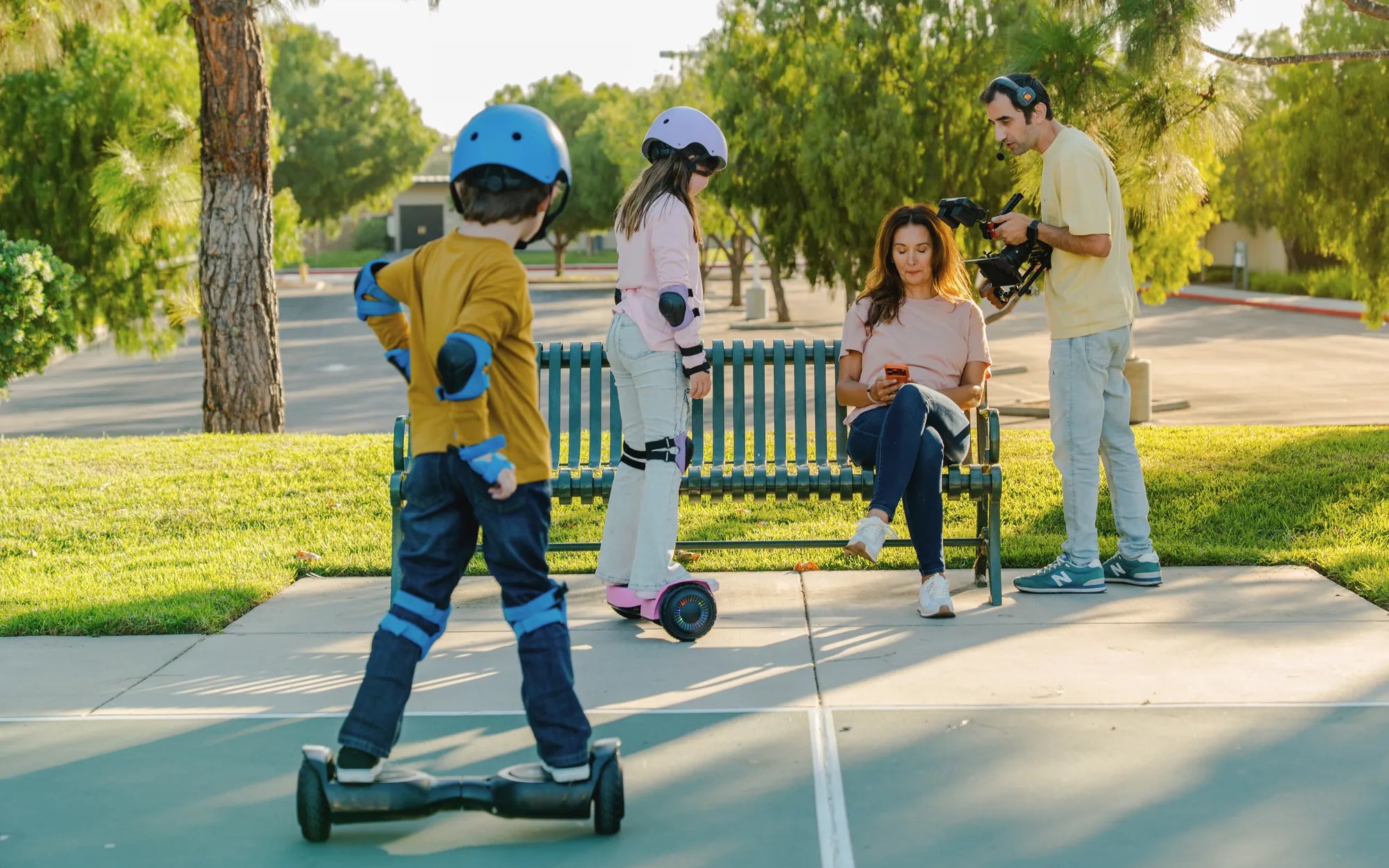
Ever wondered how some hoverboard riders make gliding look effortless while others struggle to stay upright? The secret lies in mastering the right hoverboard technique. Whether you're a beginner or looking to refine your skills, understanding the fundamentals can transform your riding experience from wobbly to smooth and controlled.
The Basics of Hoverboard Technique
Before you can perform advanced maneuvers, you need to build a strong foundation. Start by standing on your hoverboard with your feet shoulder-width apart. Keep your knees slightly bent to maintain balance and absorb any bumps. Your posture should be upright but relaxed—tensing up will only make it harder to control the board.
Starting and Stopping Smoothly
One of the most common challenges for beginners is starting and stopping without jerky movements. To start, lean forward gently with your toes, allowing the hoverboard to move at a slow pace. Avoid sudden shifts in weight, as this can cause instability. To stop, shift your weight backward evenly, bringing the board to a gradual halt. Practice this in an open, flat area until it feels natural.
Turning and Maneuvering
Turning on a hoverboard requires subtle foot movements. To turn left, apply slight pressure with your right foot while keeping your left foot steady. For a right turn, do the opposite. The key is to avoid overcompensating—small adjustments are more effective than aggressive leans. As you gain confidence, try weaving through cones or obstacles to improve your precision.
Maintaining Balance at Higher Speeds
Riding at higher speeds can be thrilling but also risky if you're not prepared. Keep your center of gravity low by bending your knees slightly. Distribute your weight evenly between both feet to prevent wobbling. If you feel unstable, slow down gradually rather than making sudden stops. Always be aware of your surroundings to avoid unexpected obstacles.
Safety Tips for Hoverboard Riders
No matter how skilled you become, safety should always come first. Wear protective gear, including a helmet, knee pads, and elbow pads. Avoid riding on uneven or wet surfaces, as these can increase the risk of falls. Start in a controlled environment before venturing onto sidewalks or bike paths. And most importantly, never push yourself beyond your comfort level—progress takes time.
Advanced Techniques for Experienced Riders
Once you've mastered the basics, you can experiment with more advanced techniques. Try riding backward by shifting your weight to your heels instead of your toes. Practice spinning in place by applying opposite pressures with each foot. Some riders even learn to hop or perform small jumps, though these moves require exceptional balance and control.
Ready to take your hoverboard skills to the next level? With patience and practice, you'll soon be gliding like a pro. Remember, the best riders aren't born—they're made through dedication and a willingness to learn. So grab your board, hit the pavement, and let the journey begin!
How to Fix a Hoverboard Charger Port: A Step-by-Step Guide
Places That Have Hoverboards: Where to Find and Ride Them