


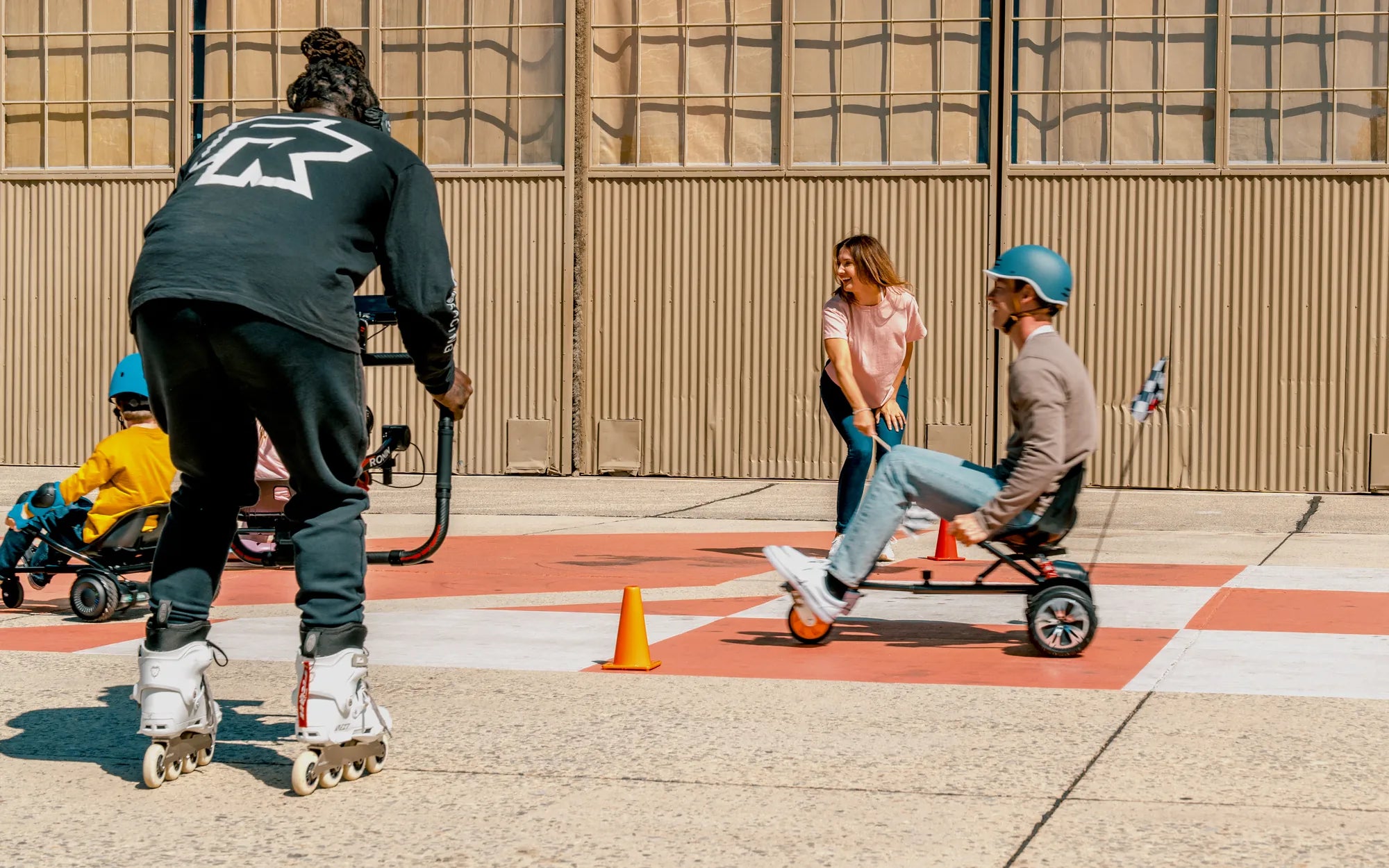
Forget the balancing act. The modern hoverboard with seat for adults has transformed from a novelty toy into a legitimate, comfortable, and practical mode of personal transportation. This guide cuts through the hype to deliver a data-driven analysis of why seated hoverboards are a game-changer for adult mobility, whether for commuting, recreation, or enhanced accessibility. You will learn how to evaluate key features like UL-certified battery safety, understand real-world performance metrics, and discover practical riding and maintenance tips to ensure a safe and enjoyable experience. We'll explore how leading brands like Gyroor engineer these devices for reliability, making the hoverboard with seat for adults a serious contender in the micro-mobility landscape.
Introduction to Seated Hoverboards for Adults
A hoverboard with a seat, often called a seated electric scooter or self-balancing scooter with seat, is a distinct evolution from the traditional stand-up model. It integrates a padded, often adjustable seat onto a two-wheeled, gyroscopically stabilized platform. This fundamental design shift addresses the primary limitation of standard hoverboards: user fatigue. For adults, this means combining the intuitive, fun control of a hoverboard with the sustained comfort and stability of a seated ride.
The appeal is broad and growing. Commuters appreciate them for the last mile of their journey without arriving sweaty or tired. Recreational riders enjoy extended exploration of parks or neighborhoods. Furthermore, they offer a new form of accessible mobility for individuals who find standing for prolonged periods challenging but still desire independent, agile movement. The market has matured significantly, moving beyond cheap imitations to feature robust models designed specifically for adult use, with enhanced motors, batteries, and weight capacities.
This guide will dissect every aspect of owning and operating a hoverboard with seat for adults. We will move from foundational benefits to technical specifications, from safety protocols to brand comparisons. The goal is to provide you with all the information needed to make an informed purchase and become a confident, safe rider. Understanding the engineering behind a quality product is the first step toward a rewarding mobility experience.
Why Choose a Seated Hoverboard? Key Benefits for Adult Riders
The decision to opt for a seated model over a standing one is driven by tangible advantages that align perfectly with adult needs. These benefits revolve around comfort, control, and practical utility, fundamentally changing the riding experience from a brief activity to a viable transportation method.
First and foremost is the elimination of leg and core fatigue. Standing on a traditional hoverboard requires constant micro-adjustments and engages stabilizing muscles. After 10-15 minutes, this can become tiring. A seat allows you to ride for the full duration of the battery's charge—often 10-20 miles—in complete comfort. This makes running errands, commuting to work, or enjoying a lengthy leisure ride not just possible, but pleasant.
Enhanced stability is another critical factor. The seated position lowers the rider's center of gravity significantly. This creates a more planted, secure feeling, especially during acceleration, deceleration, and turning. This inherent stability builds confidence, making the learning curve gentler for beginners and providing seasoned riders with a more relaxed, controlled ride. It also reduces the risk of falls associated with losing balance on a stand-up model.
Finally, seated hoverboards unlock greater practical utility. Because you're not battling fatigue, you can fully utilize the vehicle's range and carry items more easily. Many models include storage compartments or the ability to attach a small bag. The seated design often accommodates a more powerful motor and larger battery, supporting higher weight capacities and longer distances. This transforms the device from a fun gadget into a legitimate tool for daily travel.
Enhanced Comfort and Reduced Fatigue
The ergonomic design of a quality seat is paramount. Look for ample padding, breathable materials, and often an adjustable height or fore/aft position to fit your body. This customization ensures proper posture, preventing back strain on longer journeys. For adults with existing joint issues or mobility concerns, this comfort is not a luxury but a necessity that enables participation and independence.
Superior Stability and Control
The physics are clear: a lower center of gravity equals greater stability. When seated, your mass is anchored, allowing the gyroscopic sensors to manage the board's balance with less interference from upper-body sway. This results in smoother handling, particularly at low speeds and on slight inclines. The control scheme remains intuitive—leaning forward to go forward, back to brake or reverse—but the execution feels more deliberate and less precarious.
Extended Range and Practical Utility
Comfort directly translates to usable range. If a scooter has a 15-mile range but standing becomes uncomfortable at mile 5, its effective range is only 5 miles. A seat removes this barrier. Adults can now plan trips to the grocery store, a local café, or a friend's house several miles away with the assurance that the journey will be enjoyable from start to finish. This practical utility is the cornerstone of their value proposition for adult users.
Critical Features to Look for in an Adult Seated Hoverboard
Not all seated hoverboards are created equal. For adult riders prioritizing safety and durability, specific features are non-negotiable. This checklist serves as your guide to separating well-engineered products from subpar options, using industry benchmarks set by reputable brands.
The cornerstone of any electric personal mobility device is battery safety. This cannot be overstated. A high-quality, UL-certified battery pack is the single most important feature. Certification from Underwriters Laboratories (UL) means the battery has passed rigorous tests for electrical, mechanical, and environmental safety, drastically reducing the risk of fire or failure. Brands like Gyroor build all their models with these certified packs, tested for over 500 charge cycles, ensuring long-term reliability.
Performance must match adult demands. Dual motor systems with a combined power of 300W or more are standard for adequate torque and hill-climbing ability (typically grades of 10-15°). Weight capacity should be clearly stated and robust, with quality models supporting 220 to 265 pounds or more. Real-world range varies based on weight, terrain, and speed, but look for a minimum of 10-12 miles per charge, with advanced models offering 15-20 miles.
Durability features ensure your investment lasts. An IPX5 water-resistance rating is essential for real-world conditions. This means the scooter can withstand water jets from any direction, protecting it from puddles, wet roads, and light rain. Equally important is a comprehensive warranty. A trustworthy brand will offer at least a 1-year warranty on the core components (battery, motor, frame), backed by accessible customer support, reflecting confidence in their product's build quality.
Safety First: UL-Certification and Build Quality
Beyond the battery, examine the overall build. The frame should be made of reinforced aluminum or steel to handle the stresses of adult weight and daily use. Check for quality welding and solid fasteners. The foot platform should be wide and textured for secure footing when mounting/dismounting. These elements combine with the certified battery to create a fundamentally safe vehicle.
Performance Specs: Motor Power, Weight Capacity & Range
Analyze specifications as a system. A powerful motor is useless if the battery drains in 20 minutes. A high weight capacity is meaningless if the frame is flimsy. Seek a balanced spec sheet: e.g., 350W dual motors, a 264 lbs (120 kg) load capacity, and a 36V/6.6Ah (or larger) battery for a realistic 12-15 mile range. This balance indicates thoughtful engineering for adult use.
Durability for Daily Use: IPX5 Water Resistance and Warranty
The IPX5 rating is a key indicator of a scooter built for life outside a showroom. It allows you to ride confidently in diverse weather. The warranty is your safety net. A clear, accessible warranty policy demonstrates the manufacturer's commitment to standing behind their product. It transforms a purchase from a gamble into a secure investment in your mobility.
Gyroor's Approach to Seated Mobility: Engineering for Reliability
As a leader in personal electric transport, Gyroor's design philosophy for seated hoverboards centers on the three pillars of safety, performance, and rider-centric design. This approach is informed by feedback from over 100,000 riders across North America and Europe, ensuring their products meet real-world needs.
Safety is engineered in from the ground up. Every Gyroor model utilizes UL-certified battery cells housed in fire-retardant casings with advanced Battery Management Systems (BMS) to prevent overcharging, overheating, and short circuits. The chassis is constructed from aerospace-grade aluminum alloy, rigorously tested to exceed stated weight limits, providing a stable and secure foundation for the seated rider.
Performance is calibrated for adult life. Gyroor equips its seated scooters with high-torque, brushless hub motors that provide smooth acceleration and enough power for moderate hills. Their focus on range optimization means pairing efficient motors with high-capacity, certified batteries to deliver on the promised mileage. Features like LED headlights and taillights, reflective side panels, and audible warning systems are integrated for safety, not added as afterthoughts.
Rider-centric design is evident in the details. This includes ergonomically contoured seats with memory foam padding, intuitive control panels with clear battery indicators, and often integrated Bluetooth speakers for entertainment. The commitment to a 1-year warranty and accessible customer support completes the package, offering peace of mind that is as crucial as the physical product itself.
Comparative Overview: Key Models and Specifications
To aid in decision-making, the following table compares typical specifications found across quality seated hoverboard models, including examples from Gyroor's lineup. This illustrates how different configurations cater to different primary user needs, such as maximum range versus enhanced portability.
| Model Type | Motor Power | Max Range | Max Load | Key Features | Ideal User Profile |
|---|---|---|---|---|---|
| Urban Commuter | 350W Dual | 15-20 miles | 265 lbs | UL-Certified Battery, IPX5, LED Lights, App Connectivity | Daily commuter seeking max range & reliability |
| Leisure & Recreation | 300W Dual | 12-15 miles | 220 lbs | Padded Seat, Bluetooth Speaker, Carry Handle | Weekend rider, park explorer, casual user |
| All-Terrain Lite | 400W Dual | 10-12 miles | 265 lbs | Larger Air-Filled Tires, Enhanced Suspension, IPX5 | Rider on varied surfaces (pavement, packed dirt, grass) |
This comparison shows that the "best" model depends entirely on your primary use case. The Urban Commuter spec prioritizes range and smart features for practical travel. The Leisure model focuses on comfort and entertainment for fun outings. The All-Terrain variant sacrifices some range for greater versatility and a smoother ride on uneven ground. Always cross-reference these specs with the brand's reputation for safety and warranty support.
Practical Guide: Riding, Safety, and Maintenance Tips
Owning a seated hoverboard is a responsibility. Proper operation, safety consciousness, and routine maintenance are essential for maximizing your enjoyment and the product's lifespan. This section provides actionable advice drawn from expert recommendations and manufacturer guidelines.
Begin your journey in a safe, open, and flat area—an empty parking lot or a smooth pathway is ideal. Ensure the device is fully charged. Practice mounting and dismounting until it feels natural, using the seat for support. Start with slow, gentle leans to get a feel for the acceleration and braking sensitivity. Most riders adapt to the seated controls within 30 minutes, thanks to the inherent stability. Always respect local laws regarding where these devices are permitted.
Safety gear is mandatory, not optional. At a minimum, wear a certified bicycle or multi-impact helmet. Knee and elbow pads are highly recommended, especially during the learning phase. Practice defensive riding: be hyper-aware of pedestrians, cyclists, and vehicles. Use lights at dawn, dusk, or night. Assume that drivers do not see you. Adhere to sidewalk etiquette where allowed, yielding right-of-way and keeping speeds low around others.
Regular maintenance is simple but crucial. After riding on wet or dirty surfaces, wipe down the scooter with a damp cloth. Regularly check tire pressure if your model has air-filled tires. Store the device in a cool, dry place, away from extreme temperatures. For the battery, follow the manufacturer's charging instructions: avoid draining it to 0% regularly, and don't leave it plugged in for days on end. These habits will preserve the UL-certified battery's health over its 500+ cycle lifespan.
Getting Started: Your First Ride
Start in beginner mode if your model has it. Place the scooter on level ground, step onto the footpad while holding the seat for balance, and sit down smoothly. Keep your feet firmly on the footrests. Look ahead, not down at your feet. Use slight upper-body leans to control direction and speed. Practice stopping smoothly by leaning back gradually until you come to a complete halt before dismounting.
Essential Safety Gear and Riding Etiquette
Invest in quality gear. A helmet is your most important piece of equipment. When riding on shared paths, maintain a speed that allows you to stop safely within your line of sight. Announce your presence politely when passing pedestrians (e.g., "Passing on your left"). Never use headphones at a volume that blocks ambient noise. Your awareness is your primary safety system.
Maximizing Your Scooter's Lifespan
Follow a consistent charging routine. Partial charges are better than always charging to 100%. If storing for more than a month, leave the battery at about 50-60% charge. Inspect the scooter periodically for loose screws or unusual noises. Keep the wheel bearings and folding mechanisms (if present) clean. Simple, proactive care prevents most major issues and ensures your hoverboard with seat for adults remains a reliable companion for years.
Frequently Asked Questions (FAQ)
Q: Are hoverboards with seats legal for road use?
A: Laws vary significantly by city, state, and country. Typically, they are not legal on public roads but may be permitted on bike paths, sidewalks (often with speed restrictions), and private property. Always check your local municipal codes and Department of Transportation regulations before riding in public spaces.
Q: How long does the battery take to charge fully?
A: Charging time depends on battery capacity. Most standard models (with a 36V/4.4Ah battery) take 3-4 hours for a full charge from empty. Larger capacity batteries (6.6Ah or higher) may take 4-6 hours. Using the manufacturer-provided charger is critical for safety and battery health.
Q: Can I ride a seated hoverboard on grass or mild off-road terrain?
A> Models with larger, air-filled tires (6.5 inches or more) and higher motor power (400W+) can handle short stretches of firm grass, packed dirt, or gravel. However, they are primarily designed for paved surfaces. Riding on loose or muddy terrain can lead to loss of traction, increased battery drain, and potential damage. True all-terrain models exist but are a specific category.
Q: What is the learning curve like compared to a stand-up hoverboard?
A> The learning curve is generally shorter and less physically demanding. The seated position provides immediate stability, allowing new riders to focus on mastering the lean-to-steer controls without worrying about balance. Most adults become proficient in basic operation within an hour, whereas stand-up models can take several sessions to feel confident.
Q: What is the recommended age and weight for an adult seated hoverboard?
A> These are designed for riders aged 14 and above, with a strong emphasis on adult use. Weight limits are crucial; always choose a model whose maximum load capacity exceeds your weight by a margin. Common weight limits range from 220 lbs to 265 lbs. Exceeding this limit can damage the frame, motors, and battery, void the warranty, and create a safety hazard.
Elevating Your Personal Mobility: The Smart Choice
The hoverboard with seat for adults represents a significant leap forward in personal electric mobility. It successfully addresses the core limitations of its predecessors by delivering unparalleled comfort, enhanced stability, and genuine practical utility. For the adult rider, this translates to a viable alternative for short-distance travel, a source of recreational enjoyment, and a tool for greater independence.
Making the right choice hinges on prioritizing safety and quality. Specifications on paper are meaningless without the underlying engineering integrity that ensures they are delivered safely and consistently. This is where the distinction between brands becomes clear. Opting for a manufacturer that commits to UL-certified batteries, IPX5 water-resistant construction, and a solid warranty is an investment in peace of mind.
As you consider integrating a seated hoverboard into your life, let data and design guide you. Assess your primary use case, match it to the appropriate performance profile, and never compromise on certified safety features. The result is more than just a new gadget; it's a new way to experience your community, commute efficiently, and reclaim time with a fun, comfortable, and empowering ride.
Ready to explore models that are built to last? Browse the full Gyroor collection at gyroorboard.com and discover a range of seated hoverboards engineered with the safety, performance, and reliability that adult riders demand.
Best Hoverboard Under 200: Top Picks for Budget-Friendly Fun
Light Blue Hoverboard: The Ultimate Guide to Choosing and Riding