



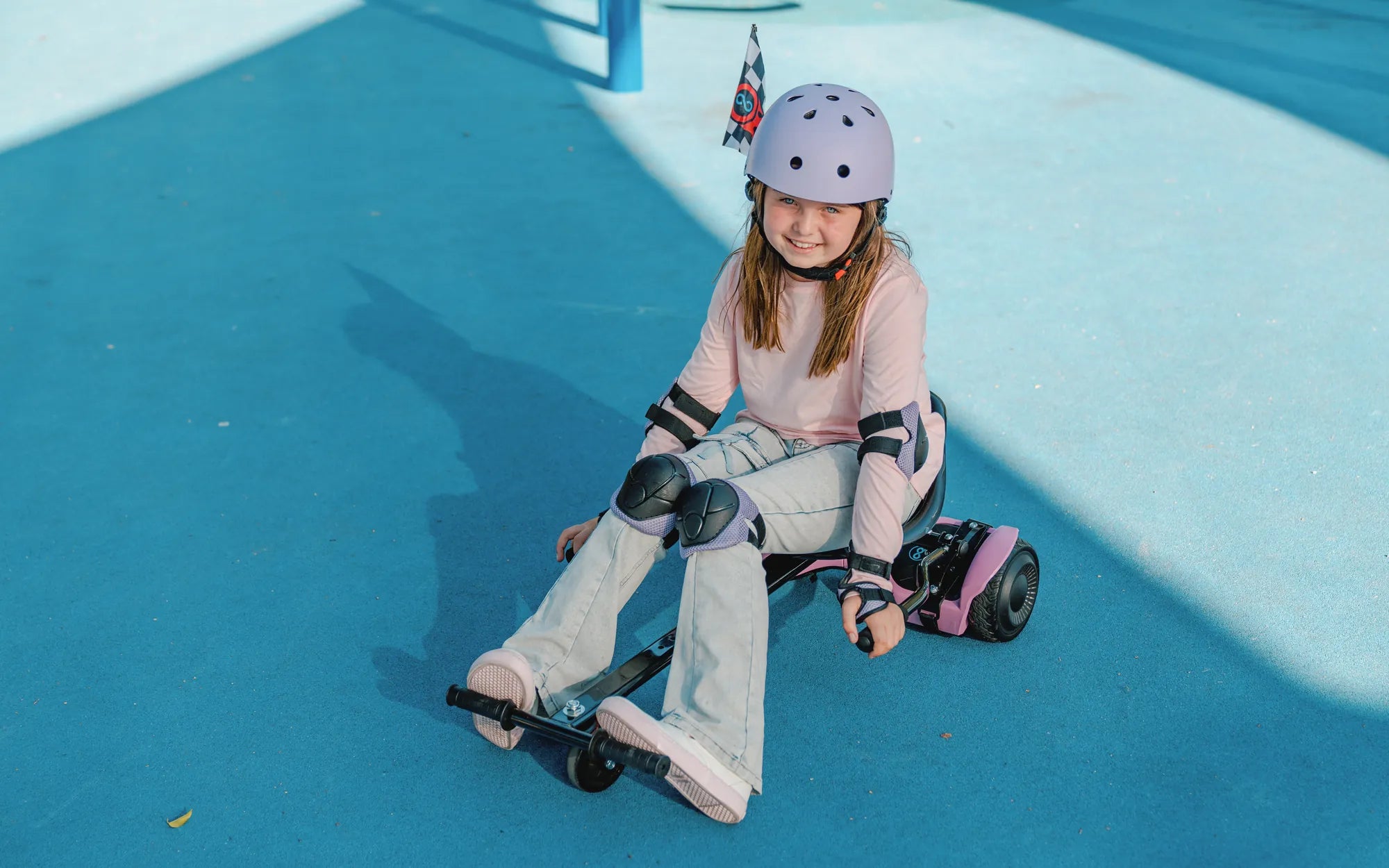
Ever wondered why your hoverboard won't work with a kart? The answer lies in a mix of engineering limitations, safety concerns, and design differences. While both devices promise thrilling rides, combining them is far from straightforward. Let's dive into the reasons behind this frustrating incompatibility.
The Mechanics of Hoverboards and Karts
Hoverboards are self-balancing, two-wheeled devices powered by electric motors and gyroscopic sensors. They rely on subtle shifts in the rider's weight to control speed and direction. Karts, on the other hand, are typically four-wheeled vehicles with steering wheels and mechanical or electric propulsion systems. The fundamental difference in their operation makes integration a challenge.
Why Hoverboards and Karts Don't Mix
Several key factors prevent hoverboards from functioning properly with karts:
- Power Output Mismatch: Hoverboard motors aren't designed to handle the additional weight and resistance of a kart.
- Control System Conflicts: The hoverboard's self-balancing mechanism conflicts with the kart's fixed frame design.
- Safety Concerns: Combining these devices creates unpredictable handling characteristics that could lead to accidents.
- Battery Limitations: Hoverboard batteries drain quickly under the increased load of pulling a kart.
Technical Challenges in Integration
The primary technical hurdle is the hoverboard's firmware. These devices are programmed to respond to a specific weight range and movement pattern. When attached to a kart, the hoverboard's sensors receive conflicting inputs, often causing the device to shut down as a safety precaution. Additionally, the torque required to move a kart exceeds what most hoverboard motors can provide.
Potential Workarounds and Their Limitations
Some enthusiasts have attempted modifications, but these come with significant drawbacks:
| Modification | Challenge |
|---|---|
| Motor upgrades | Requires firmware changes and risks overheating |
| Battery expansion | Adds weight, negating any performance gains |
| Custom mounting systems | Often interferes with the hoverboard's balance sensors |
Safer Alternatives to Consider
Instead of forcing incompatible devices to work together, consider these alternatives:
- Purpose-built electric karts designed for similar riding experiences
- Conversion kits specifically engineered for kart applications
- Dual-motor systems that maintain proper weight distribution
The dream of a hoverboard-powered kart might be appealing, but physics and engineering stand firmly in the way. For now, it's safer and more practical to enjoy these devices separately rather than risk damage or injury trying to combine them. The future might bring innovations that bridge this gap, but until then, respect each machine's design limitations for the best riding experience.
Hoverboard That Doesn't Explode: The Ultimate Guide to Safe Riding
How Far Does a Hoverboard Go: Exploring Range and Performance