

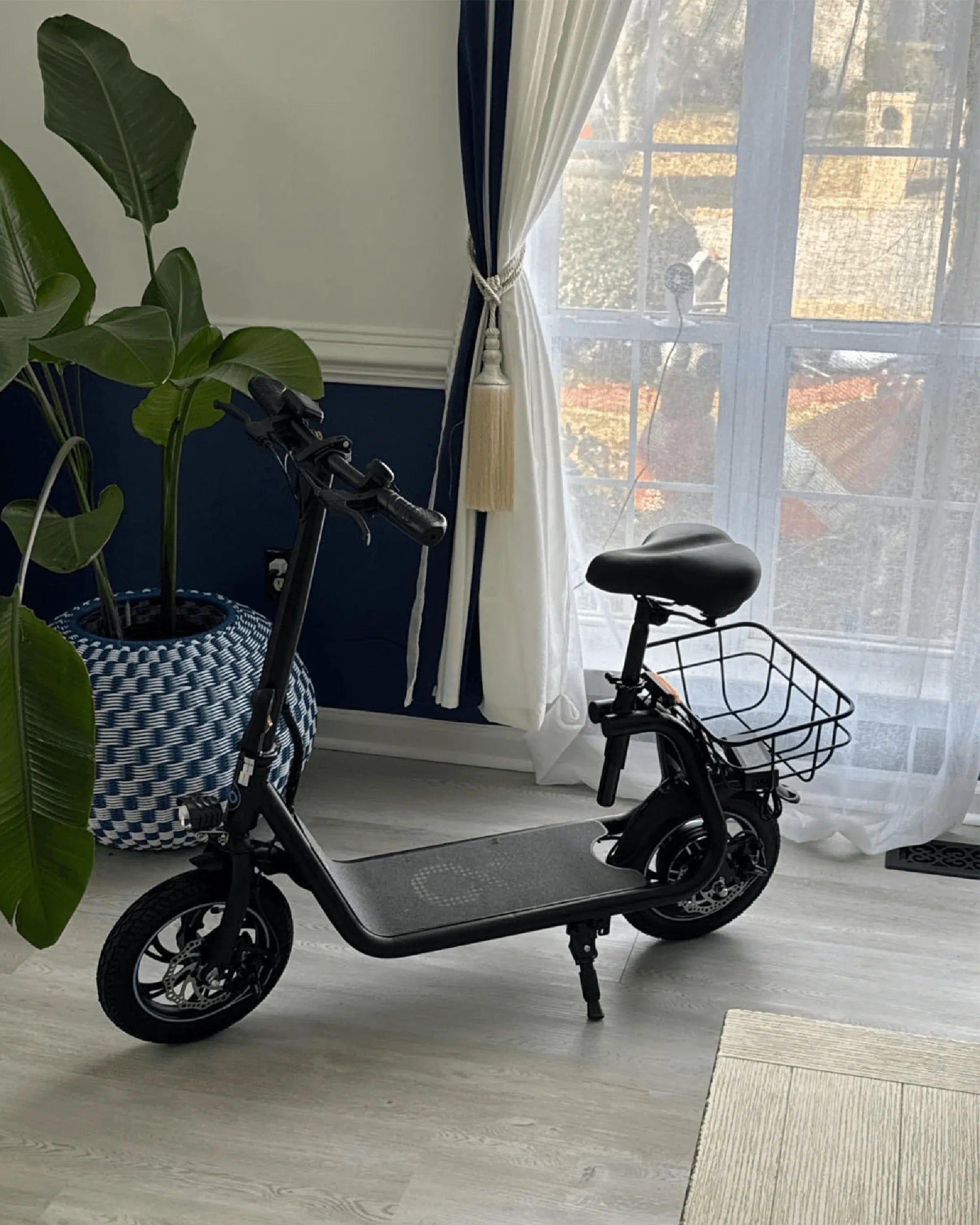
Electric scooters have taken the world by storm, offering a convenient and eco-friendly way to navigate urban landscapes. But have you ever stopped to think about how these sleek machines are made? The journey from raw materials to a fully functional electric scooter is a fascinating blend of engineering, design, and precision manufacturing. Let’s dive into the process and uncover the secrets behind their creation.
The Foundation: Design and Engineering
Before any physical production begins, electric scooters start as a concept. Engineers and designers collaborate to create detailed blueprints, ensuring the scooter meets safety, performance, and aesthetic standards. Advanced software is used to model the scooter’s frame, battery placement, motor, and other critical components. This stage also involves rigorous testing in virtual environments to identify potential flaws and optimize performance.
Material Selection: Building Blocks of an Electric Scooter
The choice of materials plays a pivotal role in the scooter’s durability, weight, and cost. Most frames are made from lightweight yet sturdy metals like aluminum or steel. High-end models may incorporate carbon fiber for added strength and reduced weight. The deck, where the rider stands, is often coated with anti-slip materials for safety. Meanwhile, the handlebars and other components are designed to withstand daily wear and tear.
The Heart of the Scooter: Battery and Motor Assembly
The battery and motor are the core of any electric scooter. Lithium-ion batteries are the most common due to their high energy density and long lifespan. These batteries are carefully assembled, with each cell tested for efficiency and safety. The motor, usually a brushless DC type, is integrated into the wheel or mounted separately, depending on the design. Both components are wired to a central control unit, which manages power distribution and performance.
Putting It All Together: The Assembly Line
Once all components are ready, the assembly process begins. The frame is first constructed, followed by the installation of the battery, motor, and wiring. The wheels, brakes, and suspension systems are then added. Each step is meticulously checked for quality, with workers ensuring every bolt is tightened and every connection is secure. The final assembly includes attaching the handlebars, lights, and any additional features like digital displays or app connectivity.
Quality Control and Testing
Before an electric scooter leaves the factory, it undergoes rigorous testing. This includes battery performance checks, motor efficiency tests, and stress tests on the frame and wheels. Safety features like brakes and lights are also thoroughly inspected. Only after passing all these tests is the scooter deemed ready for the market.
Packaging and Distribution
The finished scooters are carefully packaged to prevent damage during transit. They are then shipped to retailers or directly to consumers, ready to hit the streets. The packaging often includes user manuals, charging cables, and other accessories to ensure a smooth riding experience.
From concept to completion, the making of an electric scooter is a testament to modern engineering and manufacturing prowess. Whether you’re a daily commuter or a casual rider, understanding how these devices are built adds a new layer of appreciation for their convenience and innovation. So next time you hop on an electric scooter, remember the intricate process that brought it to life!
Electric Scooters Wisconsin Dells: The Ultimate Guide to Exploring the Dells on Two Wheels
Are Electric Scooters Allowed in NYC? The Ultimate Guide to Riding Legally