



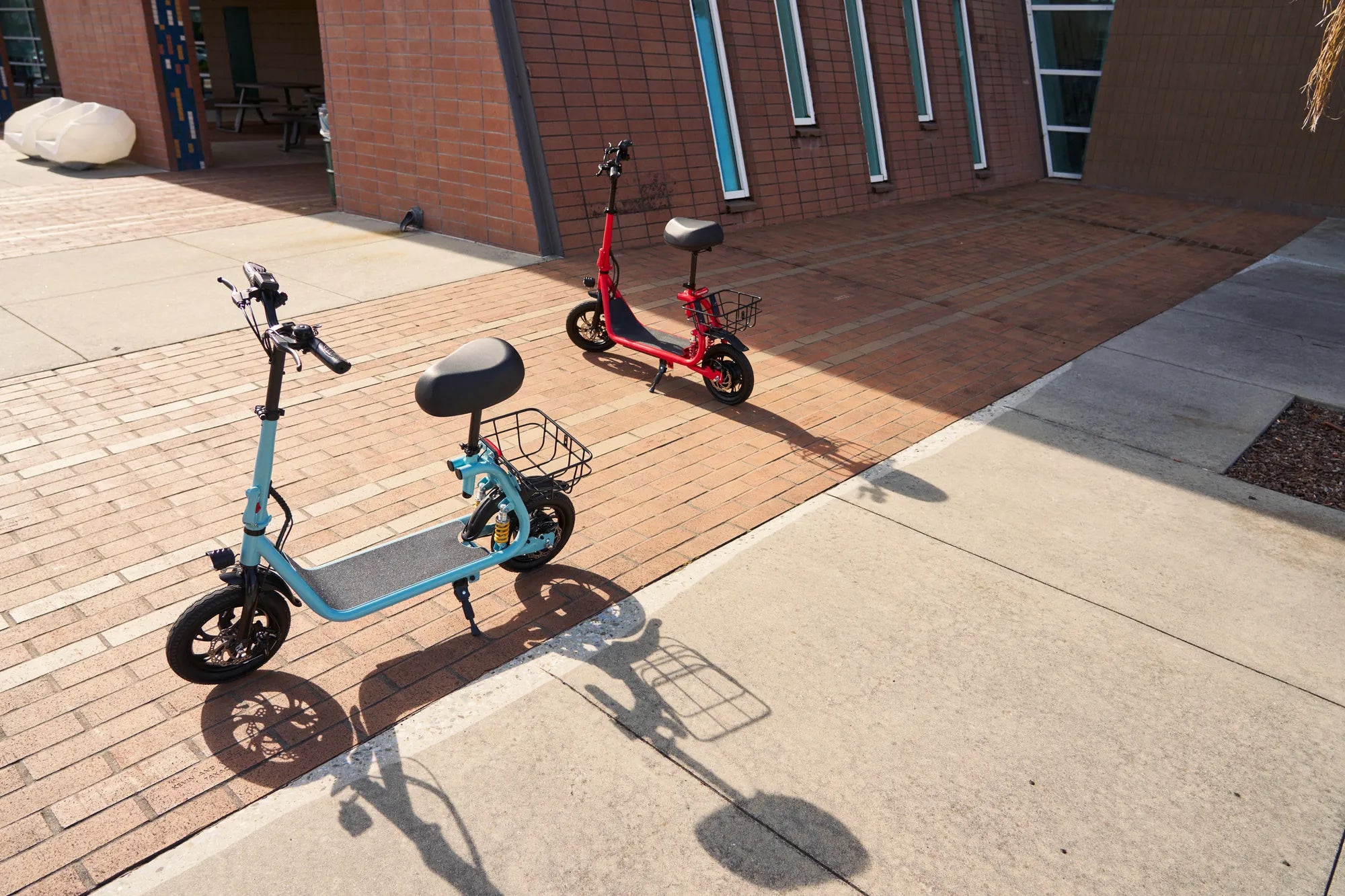
Electric bikes are revolutionizing the way we commute, offering an eco-friendly and efficient alternative to traditional transportation. But one question often lingers in the minds of new riders: how do you charge an electric bike? Whether you're a daily commuter or a weekend adventurer, understanding the charging process is key to keeping your ride smooth and reliable. Let’s dive into the essentials of e-bike charging and how to maximize your battery’s lifespan.
Understanding Your Electric Bike Battery
Before charging, it’s crucial to know your battery type. Most electric bikes use lithium-ion batteries, known for their lightweight design and long life. These batteries require specific charging practices to maintain efficiency. Always check your bike’s manual for voltage and amperage specifications to avoid overcharging or undercharging.
Step-by-Step Guide to Charging an Electric Bike
Charging an e-bike is straightforward, but following these steps ensures safety and optimal performance:
- Locate the Charging Port: Most e-bikes have a charging port near the battery, either integrated into the frame or removable.
- Use the Correct Charger: Always use the manufacturer-recommended charger to avoid damage.
- Plug into a Standard Outlet: Connect the charger to a wall socket before attaching it to the bike.
- Monitor Charging Time: Lithium-ion batteries typically take 3-6 hours to charge fully. Avoid leaving them plugged in overnight.
- Unplug When Fully Charged: Overcharging can reduce battery life, so disconnect once the indicator shows a full charge.
Best Practices for Extending Battery Life
To keep your battery in top shape, follow these tips:
- Avoid Extreme Temperatures: Charge and store your bike in a cool, dry place.
- Partial Charging Is Fine: Unlike older batteries, lithium-ion doesn’t need a full discharge. Charging between 20-80% can prolong lifespan.
- Regular Use: Batteries perform best when used consistently. If storing long-term, keep the charge at 50%.
Alternative Charging Methods
For riders on the go, portable chargers or solar-powered options can be lifesavers. Some e-bikes even support regenerative braking, which converts kinetic energy into battery power during rides. While these methods won’t replace a full charge, they’re great for emergencies.
Common Charging Mistakes to Avoid
Even seasoned riders make these errors:
- Using Non-Compatible Chargers: Third-party chargers may damage the battery.
- Ignoring Battery Health: Regularly check for swelling or unusual heat during charging.
- Charging Immediately After a Ride: Let the battery cool down first to prevent overheating.
Mastering how to charge an electric bike ensures you’ll always have the power to explore further and ride smarter. With these tips, your e-bike will stay charged, reliable, and ready for every adventure ahead!
Best Value Electric Mountain Bike: Top Picks for Adventure on a Budget
Best Value Electric Mountain Bike: Top Picks for Adventure on a Budget