



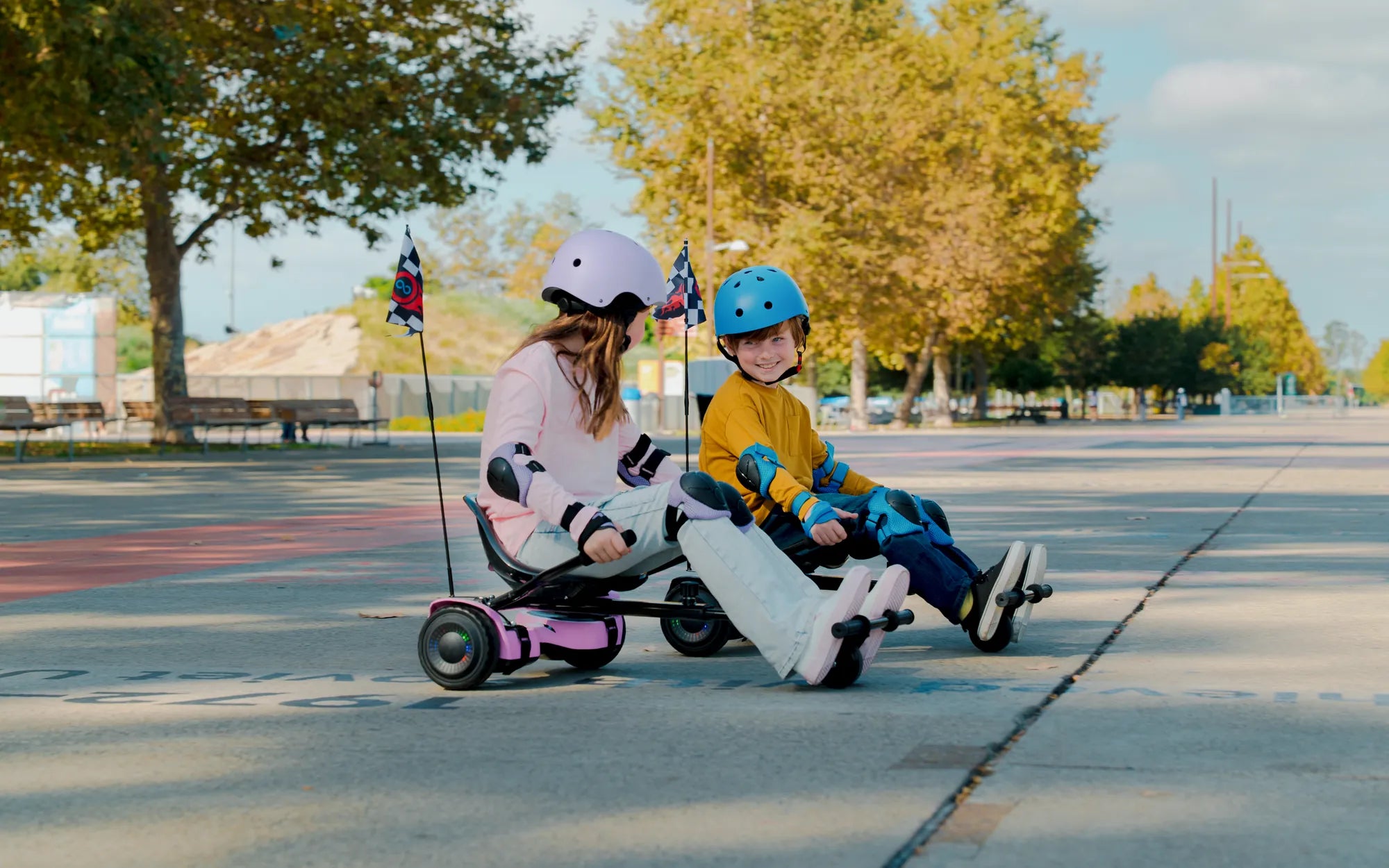
Ever wondered how a hoverboard seems to glide effortlessly beneath your feet? The magic lies in a combination of cutting-edge technology and precise engineering. If you've ever asked, "How do you make a hoverboard move?", you're about to uncover the fascinating science behind these futuristic devices.
The Basics of Hoverboard Movement
Hoverboards, also known as self-balancing scooters, rely on a sophisticated system of sensors, motors, and gyroscopes to detect and respond to the rider's movements. Unlike traditional skateboards or scooters, hoverboards don't require pushing off the ground—instead, they respond to subtle shifts in your body weight.
Key Components That Enable Motion
- Gyroscopic Sensors: These detect the tilt and angle of the board.
- Electric Motors: Located in each wheel, they provide the necessary thrust.
- Microprocessors: Act as the brain, processing data from sensors to control speed and direction.
- Battery Pack: Powers the entire system, ensuring smooth operation.
How Balance Translates into Movement
When you step onto a hoverboard, the gyroscopic sensors immediately detect your stance. Leaning forward signals the motors to accelerate, while leaning backward slows the device down or reverses it. The microprocessors ensure both wheels move in sync, maintaining stability and preventing falls.
The Role of Pressure Pads
Beneath your feet, pressure-sensitive pads act as the primary interface between you and the hoverboard. These pads measure the distribution of your weight, allowing the board to interpret intended movements. For example, pressing more on your right foot will cause the hoverboard to turn left, and vice versa.
Powering the Hoverboard
Electricity from the battery pack drives the motors, which spin the wheels at varying speeds to create motion. Advanced models feature regenerative braking, where energy from slowing down is partially returned to the battery, extending ride time.
Safety Mechanisms
To prevent accidents, hoverboards include multiple safety features such as:
- Auto-shutoff when the battery is low.
- Speed limiters to avoid excessive acceleration.
- Overheat protection for the motors and battery.
Mastering the Art of Hoverboarding
While the technology does most of the work, riders must develop a sense of balance and coordination. Beginners should start on flat, open surfaces and practice subtle weight shifts to control speed and direction smoothly.
Now that you know how a hoverboard moves, it's time to experience the thrill firsthand. Whether you're cruising through the park or navigating city streets, understanding the mechanics behind your ride makes every glide even more exhilarating.
Why Is My Hoverboard Off Balance? Troubleshooting Tips and Fixes
My First Hoverboard Accessories: Essential Gear for a Smooth Ride