


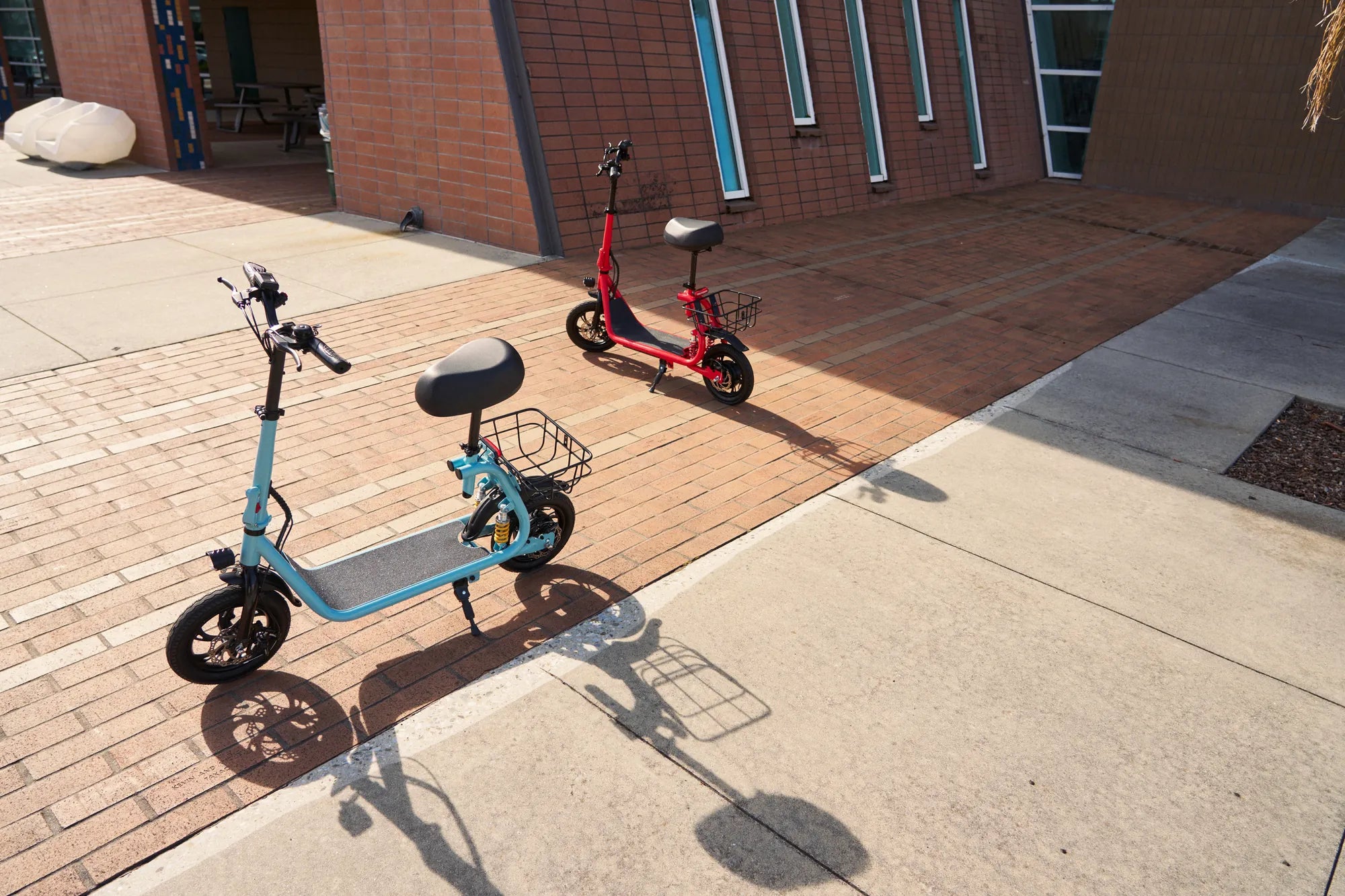
Electric bikes are transforming the way people commute, explore, and stay active. If you've ever wondered, how do you ride an electric bike, you're not alone. These versatile machines combine pedal power with electric assistance, making cycling accessible to riders of all fitness levels. Whether you're a complete beginner or transitioning from a traditional bicycle, this guide will walk you through everything you need to know to ride an e-bike like a pro.
Getting Familiar with Your Electric Bike
Before hopping on, take time to understand your e-bike's key components. Unlike regular bicycles, electric bikes feature a motor, battery, and control system. The motor provides assistance when you pedal, while the battery powers it. Most models include a display panel showing speed, battery level, and assistance mode.
Mounting Your E-Bike Properly
Start by adjusting the seat height so you can comfortably reach the pedals with a slight bend in your knee. Stand over the frame, grip the handlebars firmly, and swing your leg over. Electric bikes tend to be heavier than traditional bicycles, so take extra care when mounting and dismounting.
Starting and Stopping Smoothly
Begin with the pedal assist set to its lowest level. Push off with one foot while gently pressing the pedal with the other. As you gain momentum, the electric assist will engage. To stop, gradually apply both brakes evenly while shifting your weight slightly back.
Mastering Pedal Assist and Throttle Systems
Most e-bikes offer multiple levels of pedal assist. Start with level 1 or 2 as you get accustomed to the bike's response. Some models include a throttle that provides power without pedaling - use this feature cautiously until you're comfortable with the acceleration.
Shifting Gears on an Electric Bike
Just like traditional bicycles, proper gear shifting improves your ride quality. Anticipate terrain changes and shift before you need to. Remember to ease off pedal pressure momentarily while changing gears to prevent strain on the drivetrain.
Navigating Hills and Inclines
Electric bikes excel at hill climbing. Approach inclines with momentum, then increase pedal assist as needed. Shift to lower gears before the hill becomes steep. The motor will help, but maintaining a steady pedaling rhythm gives the best results.
Cornering and Handling Techniques
The extra weight of an e-bike affects handling. Slow down before turns and avoid sharp steering inputs. Look through the turn and lean slightly with the bike while keeping your body upright for stability.
Braking Effectively
E-bikes stop differently due to their increased weight and speed potential. Use both brakes together, applying more pressure to the front brake (about 70%) while keeping the rear brake engaged to prevent skidding.
Riding in Traffic and Shared Paths
Always follow local traffic laws and be mindful that your e-bike may be faster than others expect. Use hand signals, make eye contact with drivers, and maintain a safe following distance. Remember that pedestrians might not hear your approach.
Battery Management and Range
Monitor your battery level and plan routes accordingly. Using lower assist levels extends range. For longer rides, consider bringing your charger or planning stops where you can recharge.
Safety Tips for E-Bike Riders
Always wear a properly fitted helmet. Consider additional protective gear like gloves and reflective clothing. Regularly check your bike's tire pressure, brakes, and lights before riding.
Riding an electric bike opens up new possibilities for transportation, recreation, and fitness. With these techniques, you'll quickly gain confidence and enjoy all the benefits e-bikes offer. The road (or trail) ahead looks exciting - are you ready to experience the thrill of electric cycling?
Mobility Scooter 7 Beeps: What It Means and How to Fix It
400 km range electric scooter in india price: The Future of Long-Distance Commuting