

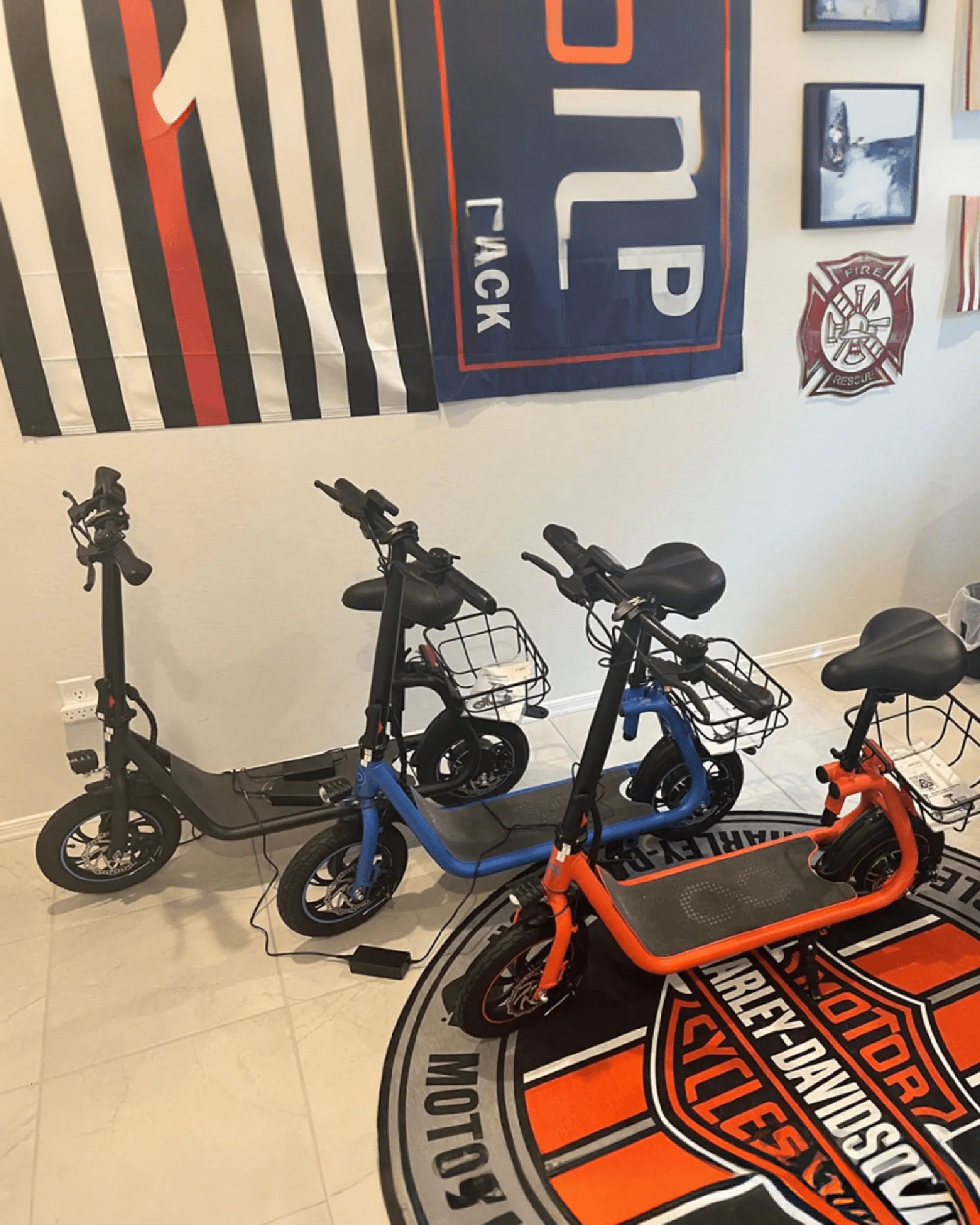
You see them gliding up hills and cruising along bike paths, but what's actually happening inside an electric bike? Understanding the mechanics transforms you from a passive rider to an informed enthusiast. This guide will dissect the integrated system that makes an e-bike more than just a bicycle with a battery. We'll explore each component's function, how they communicate, and what this means for your ride, using clear explanations and technical data. By the end, you'll know exactly how does an electric bike work: a complete guide to e-bike mechanics in practice.
Demystifying the Modern E-Bike
An electric bike is fundamentally a bicycle augmented by a compact, integrated electric drive system. This system's primary purpose is to assist your pedaling effort, not replace it entirely. The magic lies in the seamless synergy between human power and electric power.
This augmentation allows riders to travel further, tackle steeper hills, and arrive at their destination less sweaty. It makes cycling accessible to more people and more practical for daily commuting. The core philosophy is enhancement, not replacement, of the traditional cycling experience.
Modern systems, like those used by leading mobility brands such as Gyroor, prioritize safety and reliability. This includes using UL-certified batteries and robust motor controllers. Understanding these components is the first step to appreciating the engineering behind every ride.
The entire system is governed by a simple principle: provide power proportionally to the rider's input. This creates an intuitive, natural-feeling boost that has revolutionized personal transportation.
The Core Components: Anatomy of an Electric Bike
Five essential electrical parts form the backbone of every electric bicycle. Each has a distinct role, and together they create the assisted riding experience. Missing or underperforming any one part will compromise the entire system's functionality.
These components are the motor, the battery, the controller, the sensor system, and the display/interface. They are connected by a wiring harness and powered by a single, rechargeable energy source. The bicycle frame, brakes, and drivetrain are also critical, but they are shared with traditional bikes.
The quality and integration of these five parts determine the e-bike's performance, feel, and longevity. A well-designed system hides its complexity, offering a smooth, responsive ride where the technology feels like an extension of the rider.
The Motor: The Heart of the System
The motor converts electrical energy from the battery into mechanical energy to turn the wheels. Its placement and design are crucial for the bike's handling and performance characteristics. There are two primary motor types: hub motors and mid-drive motors.
Hub motors are located within the center of the front or rear wheel hub. They directly drive the wheel they are mounted in, independent of the bike's gears. This design is simple, often quieter, and requires less maintenance on the bicycle's chain and gears.
Mid-drive motors are positioned at the bike's crank and bottom bracket. They drive the crankshaft, meaning their power goes through the bike's chain and gear system. This allows the motor to take advantage of the bicycle's gears, providing superior torque and efficiency on hills and varied terrain.
Motor power is measured in watts (W), with common ratings being 250W, 500W, and 750W. Higher wattage generally means more potential power and torque. However, a mid-drive 250W motor can often outperform a hub-based 500W motor on a steep hill due to its ability to leverage the bike's low gears.
The Battery: The Power Reservoir
The battery is the energy storage unit, typically a lithium-ion pack due to its high energy density and rechargeability. It's the single most expensive component and a key factor in the bike's range. Battery capacity is measured in watt-hours (Wh), calculated by multiplying voltage (V) by amp-hours (Ah).
A higher Wh rating indicates a larger energy reservoir, potentially offering a longer range. For example, a 36V, 10Ah battery has 360Wh of capacity. Range is influenced by many factors, including this capacity, assist level, terrain, rider weight, and wind resistance.
Safety is paramount. Reputable manufacturers use batteries with cells from major producers (like Samsung, LG, or Panasonic) and incorporate advanced Battery Management Systems (BMS). The BMS protects against overcharging, deep discharge, and short circuits.
Look for safety certifications like UL 2271, which is a rigorous standard for electrical and fire safety of lithium-ion batteries. This certification, common on quality e-scooters from brands like Gyroor and applied to reputable e-bike batteries, is a critical mark of reliability and safe engineering.
The Controller: The E-Bike's Brain
The controller is a sealed electronic unit, usually hidden in the frame. It acts as the central processing brain of the e-bike system. This component receives input signals from the sensors and the rider's throttle (if equipped).
It then processes these signals based on its programming and the selected assist level. The controller precisely regulates the amount of electrical current drawn from the battery and delivered to the motor. This dictates the motor's power output and, consequently, the level of assistance.
A high-quality controller ensures smooth, predictable power delivery without jerks or lag. It also manages communication between the display, sensors, and motor. Its programming defines the character of the pedal-assist, making it feel natural or artificial.
The Sensor System: The Communication Network
Sensors provide the critical data that tells the system when and how much to assist. There are two main types: cadence sensors and torque sensors. The choice between them significantly impacts the riding experience and the bike's price.
Cadence Sensors are the more common and affordable type. They detect whether the pedals are moving and their rotational speed. When you start pedaling, the sensor signals the controller to engage the motor at a preset power level for the chosen assist mode.
Torque Sensors are more advanced. They measure the actual force or pressure you apply to the pedals. The system then delivers power proportionally to your effort. This results in a much more intuitive, "bike-like" feel where the motor amplifies your own pedaling power seamlessly.
Torque sensor systems are more responsive and efficient, as they provide assistance exactly when and where needed. They are a hallmark of higher-performance and higher-end e-bikes, offering a ride that more closely mimics traditional cycling with superhuman legs.
The Display & Interface: The Rider's Command Center
Mounted on the handlebars, the display is the rider's primary interface with the e-bike's electrical system. It provides information and control. Basic displays may be a simple LED panel, while advanced units are full-color LCD or even Bluetooth-connected touchscreens.
Common functions include selecting the level of pedal assist (often from Eco, Tour, Sport, to Turbo), activating a walk-assist mode, and turning on integrated lights. It shows real-time data like current speed, trip distance, remaining battery charge (often as a percentage), and sometimes estimated range.
The interface typically includes control buttons, which may be integrated into the display unit or as separate remote buttons. This centralized control allows the rider to manage the electric assist without taking hands off the handlebars, ensuring safety and convenience.
The Mechanics of Motion: How the System Works in Harmony
The operation is a continuous, cyclical process that begins the moment you start pedaling. It's a closed-loop system of input, processing, and output that happens hundreds of times per second. Understanding this flow is key to grasping how does an electric bike work: a complete guide to e-bike mechanics in action.
Step 1: Pedal Input. The rider begins to pedal the bicycle. This is the human power input that initiates the sequence.
Step 2: Sensor Detection. Either a cadence sensor or a torque sensor detects this input. The cadence sensor notes that the pedals are turning. The torque sensor measures how hard you are pushing.
Step 3: Signal to Controller. The sensor sends an electronic signal to the central controller. This signal contains data: "pedals are moving" or "applying 30 Newtons of force."
Step 4: Controller Processing. The controller receives this signal and cross-references it with the rider's selected assist level (e.g., Level 2 of 5). It uses its programmed algorithm to calculate the appropriate power response.
Step 5: Power Draw from Battery. The controller commands the battery pack, via the Battery Management System, to release a specific amount of current. The voltage and amperage are carefully regulated.
Step 6: Motor Activation. This regulated electrical current is sent to the motor. The motor's internal magnets and windings convert this electrical energy into rotational mechanical force (torque).
Step 7: Assisted Motion. The motor's torque is applied. In a hub motor, it spins the wheel directly. In a mid-drive, it spins the cranks. This adds to the rider's own pedaling force, creating assisted motion. The cycle then repeats instantly, creating a smooth, sustained boost.
Key E-Bike Configurations: Pedal-Assist vs. Throttle
E-bikes are primarily defined by their method of activation, leading to different classifications that have regulatory implications, especially in North America. The two core modes are Pedal-Assist System (PAS) and throttle-on-demand.
Pedal-Assist System (PAS): The motor only provides assistance when the rider is pedaling. The system is activated by the sensors as described above. This is the most common and energy-efficient mode, extending battery range. It feels like a natural tailwind.
Throttle-on-Demand: Typically a twist-grip or thumb lever on the handlebar, a throttle allows the rider to engage the motor without pedaling, similar to a scooter or motorcycle. This provides instant power from a standstill, which is helpful for starting on hills or navigating through traffic.
These features combine to create the three main e-bike classes in the US:
| Class | Top Assisted Speed | Throttle | Pedal-Assist | Common Use |
|---|---|---|---|---|
| Class 1 | 20 mph | No | Yes | Bike paths, multi-use trails |
| Class 2 | 20 mph | Yes | Yes (usually) | Commuting, recreational |
| Class 3 | 28 mph | No* | Yes | Road commuting, speed-focused |
*Some localities may allow a throttle up to 20 mph on Class 3. Always check local laws. Understanding these classes is crucial for knowing where you can legally ride your e-bike.
Performance, Safety, and Durability Features
The real-world experience of owning an e-bike hinges on how its mechanical design translates to daily use. Performance isn't just about top speed; it's about range, hill-climbing ability, and how the bike handles varied conditions. Safety and durability are built into the component choices and assembly quality.
Understanding Range and Power
Manufacturer-stated range is a best-case scenario estimate. Real-world range is highly variable and depends on a confluence of factors. The primary determinant is battery capacity (Watt-hours), but how you use that energy matters immensely.
Key factors that reduce range include: using the highest assist levels (Turbo/Boost), riding on hilly or off-road terrain, carrying heavy cargo or a heavy rider, riding into a strong headwind, frequent stopping and starting, and cold temperatures which reduce battery efficiency.
Motor power (watts) relates to torque and hill-climbing potential. However, the motor's design is equally important. A mid-drive motor's ability to use the bike's gears means it can often climb steeper grades than a higher-wattage hub motor that is operating outside its optimal RPM range on a slow, steep hill.
Built to Last: Water Resistance and Reliability
E-bikes are designed for outdoor use, so their electrical components must be protected from the elements. This is where the Ingress Protection (IP) rating becomes critical. An IP rating consists of two digits: the first for solid particle protection (dust), the second for liquid protection (water).
For most commuter and recreational e-bikes, water resistance is the primary concern. A rating of IPX5 means the unit is protected against water jets from any direction. This is a robust standard for withstanding heavy rain and road spray during daily commuting.
Brands that prioritize durability, like Gyroor which designs its electric scooters to IPX5 standards, apply similar engineering principles to their e-bike components. This level of sealing on the motor, controller, and display connections ensures the system remains reliable through seasons of use, preventing corrosion and short circuits from moisture ingress.
Frequently Asked Questions (FAQ)
How far can I ride on a single charge?
Range varies widely from 20 to over 100 miles per charge. It depends on your battery's watt-hour capacity, the assist level you use, terrain, rider and cargo weight, wind, and tire pressure. Use the manufacturer's estimate as a maximum under ideal conditions and expect 50-70% of that in mixed, real-world use.
Is it hard to pedal an e-bike if the battery dies?
Yes, it is harder than pedaling a standard bicycle of similar weight, but it is possible. The motor in a hub-drive bike may create some magnetic resistance or "drag" when not powered. The main challenge is the added weight of the motor and battery (often 15-25 lbs extra), which you must propel yourself. Mid-drive systems typically have a clutch that disengages the motor, reducing drag.
How long does an e-bike battery last before needing replacement?
A quality lithium-ion e-bike battery is typically rated for 500 to 1,000+ full charge cycles before its capacity degrades to about 70-80% of its original state. With typical use (2-3 partial charges per week), this translates to 3-5 years of useful life. Proper care—avoiding full discharges, not leaving it at 100% charge for long periods, and storing in cool, dry conditions—can extend its lifespan.
Are e-bikes safe to use in the rain?
E-bikes with proper water-resistant sealing are safe for use in light to moderate rain. The key is the IP rating of the electrical components. Look for a minimum of IPX4 (protection from splashing water) for casual use, with IPX5 or higher being ideal for all-weather commuters. Always dry the bike after a wet ride, especially the electrical contacts and display.
What maintenance does an e-bike require compared to a regular bike?
An e-bike requires all the same maintenance as a regular bicycle: chain cleaning/lubrication, brake adjustments, tire pressure checks, and gear tuning. Additionally, you must care for the electrical system: keep battery contacts clean, ensure connectors are seated properly, and protect the battery from extreme temperatures. The motor and controller themselves are generally sealed and require no routine maintenance.
Empowerment Through Understanding
Knowing the interplay between the motor, battery, sensors, and controller demystifies the e-bike experience. This knowledge empowers you to make smarter purchasing decisions, troubleshoot minor issues, perform effective maintenance, and ultimately, get more enjoyment from every ride. You can now accurately assess product specifications and understand the real-world implications of terms like "torque sensor," "Wh capacity," and "IP rating." The technology is sophisticated, but its goal is simple: to augment human effort and expand the possibilities of the bicycle. With this complete guide to e-bike mechanics, you're equipped to choose a machine that matches your needs and to use it with confidence for years to come. For those ready to experience this fusion of human and electric power, explore the latest in personal electric mobility designed with these precise engineering principles at Shop at gyroorboard.com.
Do You Have to Pedal an Electric Bike? The E-Bike Truth
How Much Do Electric Scooters Cost? A Complete Price Breakdown