



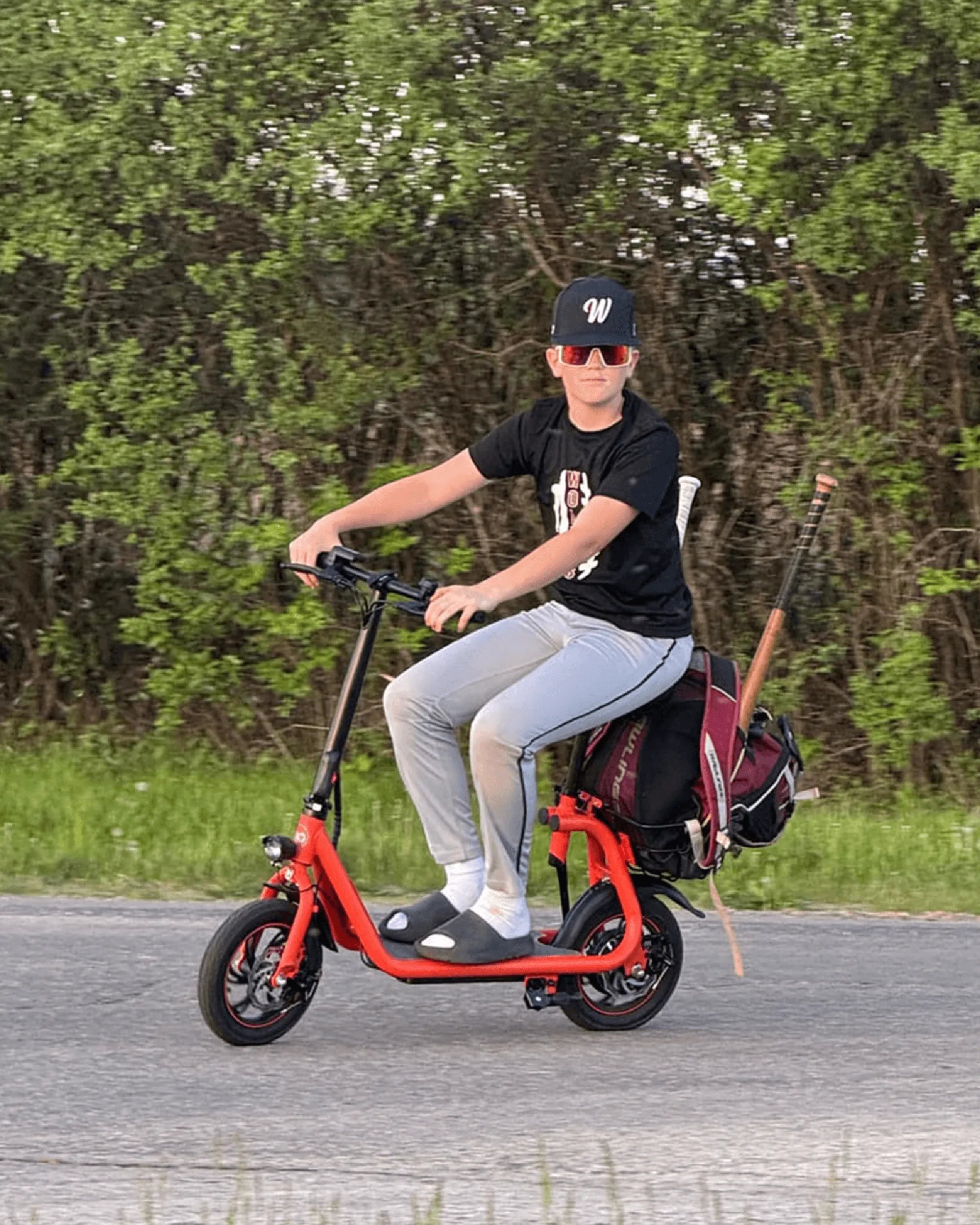
Ever wondered how an e-scooter silently zips through city streets without a drop of fuel? These sleek, eco-friendly machines are revolutionizing urban transport, but their mechanics remain a mystery to many riders. Let’s peel back the layers and explore the fascinating technology behind electric scooters.
The Core Components of an E-Scooter
At its heart, every e-scooter relies on three essential systems working in harmony:
- Power Supply: The rechargeable battery pack stores and delivers energy
- Drive System: The electric motor converts electricity into motion
- Control Network: Electronic controllers manage power distribution and rider inputs
Battery Technology: The Powerhouse
Modern e-scooters typically use lithium-ion battery packs due to their high energy density and relatively lightweight properties. These batteries:
- Store electrical energy in chemical form
- Deliver DC power to the motor controller
- Can be recharged hundreds of times before significant degradation
The battery management system (BMS) constantly monitors cell health, temperature, and charge levels to ensure safety and longevity.
Electric Motor Mechanics
Most e-scooters use brushless DC hub motors mounted in either the front or rear wheel. These motors operate through electromagnetic principles:
- Current flows through copper windings in the stator
- This creates a rotating magnetic field
- Permanent magnets in the rotor follow this field, causing wheel rotation
Brushless designs eliminate friction points found in traditional motors, making them more efficient and durable.
Power Delivery and Control Systems
The electronic speed controller (ESC) acts as the brain of the e-scooter:
- Receives throttle input from the rider
- Regulates power flow from battery to motor
- Implements safety features like overcurrent protection
Advanced models may include regenerative braking systems that recover kinetic energy during deceleration.
User Interface and Safety Features
Modern e-scooters incorporate intuitive controls and multiple safety mechanisms:
| Component | Function |
|---|---|
| Throttle | Controls acceleration through variable resistance |
| Brake levers | Activates mechanical and/or electrical braking |
| Display panel | Shows speed, battery level, and mode settings |
| Lights | LED systems for visibility and safety |
Charging and Energy Efficiency
E-scooters achieve remarkable energy efficiency compared to traditional vehicles:
- Typical charging time ranges from 3-8 hours
- Energy costs average just pennies per mile
- No energy wasted during idle periods
Smart charging circuits prevent overcharging and optimize battery health across charge cycles.
Maintenance and Longevity
With no complex internal combustion systems, e-scooters require minimal maintenance:
- Regular tire pressure checks
- Periodic brake adjustments
- Battery care (avoiding extreme temperatures)
- Occasional firmware updates
Proper care can extend an e-scooter's lifespan to several thousand miles of operation.
From silent electric motors to smart battery systems, e-scooters pack impressive technology into their compact frames. Next time you ride one, you'll appreciate the sophisticated engineering propelling you forward - all without a single drop of gasoline or a puff of exhaust.
Beste E-Scooter 2025: The Future of Urban Mobility
E Scooter 500 Dollars: The Ultimate Budget-Friendly Commuter Solution