

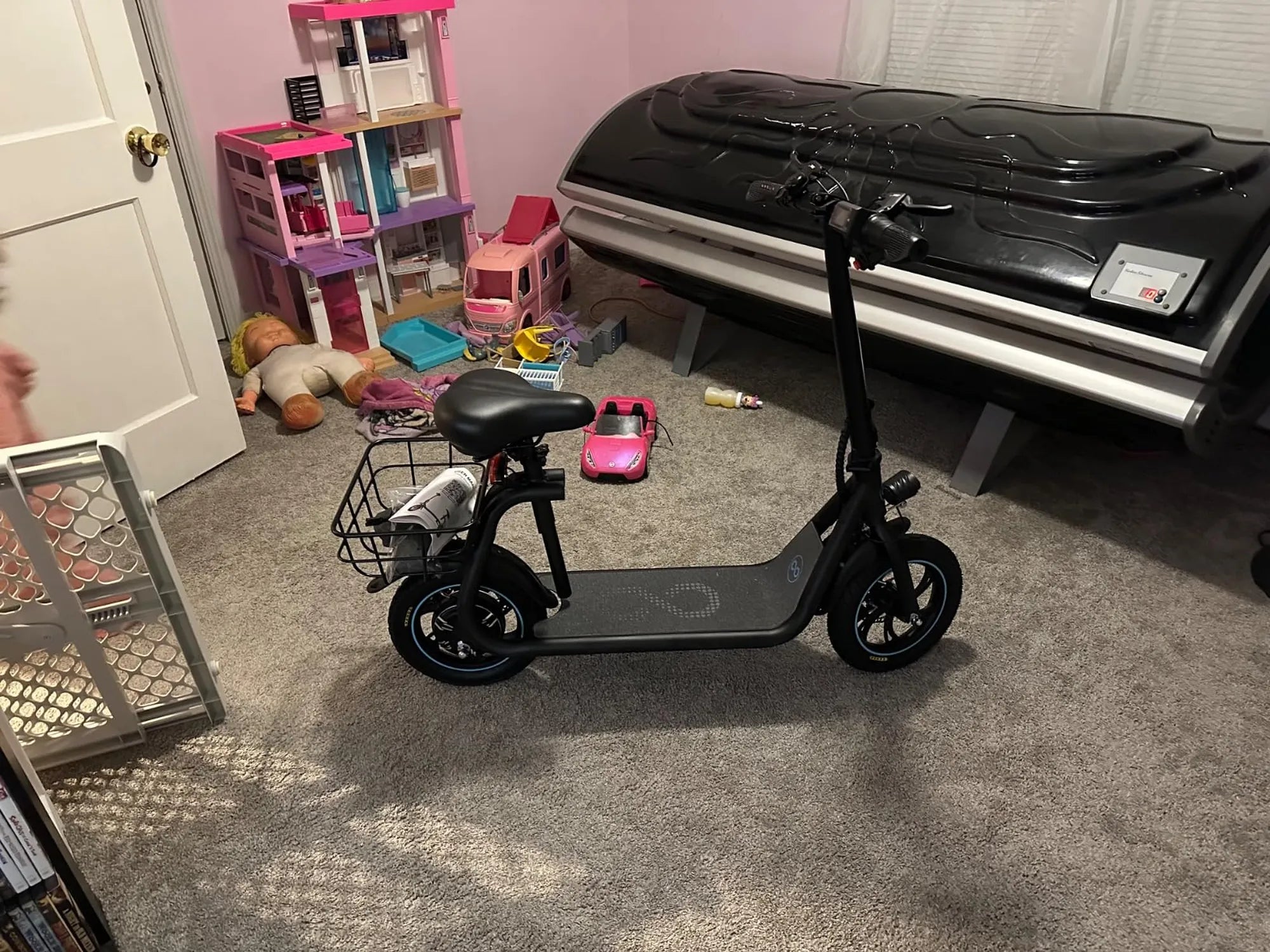
Ever wondered just how far an electric bike can take you before the battery gives out? The answer isn't as simple as a single number—it depends on a variety of factors, from the bike's design to how you ride it. Whether you're planning a long-distance commute or an off-road adventure, understanding your e-bike's range is crucial. Let's dive into the details and uncover what really determines how far an electric bike can go.
Battery Capacity: The Heart of Your E-Bike's Range
The most significant factor in determining how far an electric bike can go is its battery capacity, typically measured in watt-hours (Wh). A higher Wh rating means more energy storage, which translates to a longer range. For example, a 500Wh battery can generally provide between 20 to 70 miles of assistance, depending on other conditions.
Motor Efficiency: Power vs. Consumption
Electric bike motors come in different power ratings, usually between 250W and 750W. While a more powerful motor can provide better performance, it also consumes more energy. Efficient motors with smart power management systems can help extend the range by optimizing energy use based on terrain and rider input.
Rider Input: Pedal Assist vs. Throttle Mode
How you ride your e-bike plays a huge role in its range. Using pedal-assist modes (where the motor supplements your pedaling) will generally extend the range compared to relying solely on throttle mode (where the motor does all the work). The more you pedal, the less strain on the battery.
Terrain and Riding Conditions
Hilly or rough terrain requires more power from the motor, reducing the overall range. Similarly, riding against strong winds or on soft surfaces like sand or gravel can drain the battery faster. Flat, smooth roads are ideal for maximizing distance.
Weight and Load
The combined weight of the rider and any cargo affects how hard the motor has to work. Heavier loads demand more energy, shortening the range. Packing light and distributing weight evenly can help optimize battery life.
Tire Pressure and Type
Underinflated tires create more rolling resistance, forcing the motor to use extra energy. Properly inflated, smooth-tread tires are best for efficiency, while knobby tires (great for off-roading) can reduce range due to increased friction.
Weather and Temperature
Cold weather can reduce battery efficiency, sometimes cutting range by 20% or more. Storing and charging the battery in moderate temperatures helps maintain its performance. Extreme heat can also degrade battery life over time.
Riding Speed
Higher speeds increase wind resistance exponentially, which means the motor has to work much harder. Riding at a steady, moderate pace (around 15-20 mph) is the sweet spot for balancing speed and range.
Battery Age and Health
Over time, batteries lose their ability to hold a full charge. A well-maintained battery might retain 80% of its original capacity after 500 charge cycles, but neglecting proper care can accelerate degradation.
How to Maximize Your E-Bike's Range
To get the most out of every charge, follow these tips:
- Use lower pedal-assist levels when possible.
- Maintain proper tire pressure.
- Avoid excessive weight.
- Plan routes with fewer hills and stops.
- Charge the battery regularly and avoid deep discharges.
So, how far can an electric bike go? The truth is, it varies—anywhere from 20 to 100+ miles on a single charge, depending on how you ride and care for your e-bike. By understanding these factors, you can push the limits of your electric bike and enjoy longer, more efficient rides. Ready to hit the road and test your e-bike's true potential?
How to Fix Brakes on Electric Bike: A Step-by-Step Guide
How to Fix Brakes on Electric Bike: A Step-by-Step Guide