

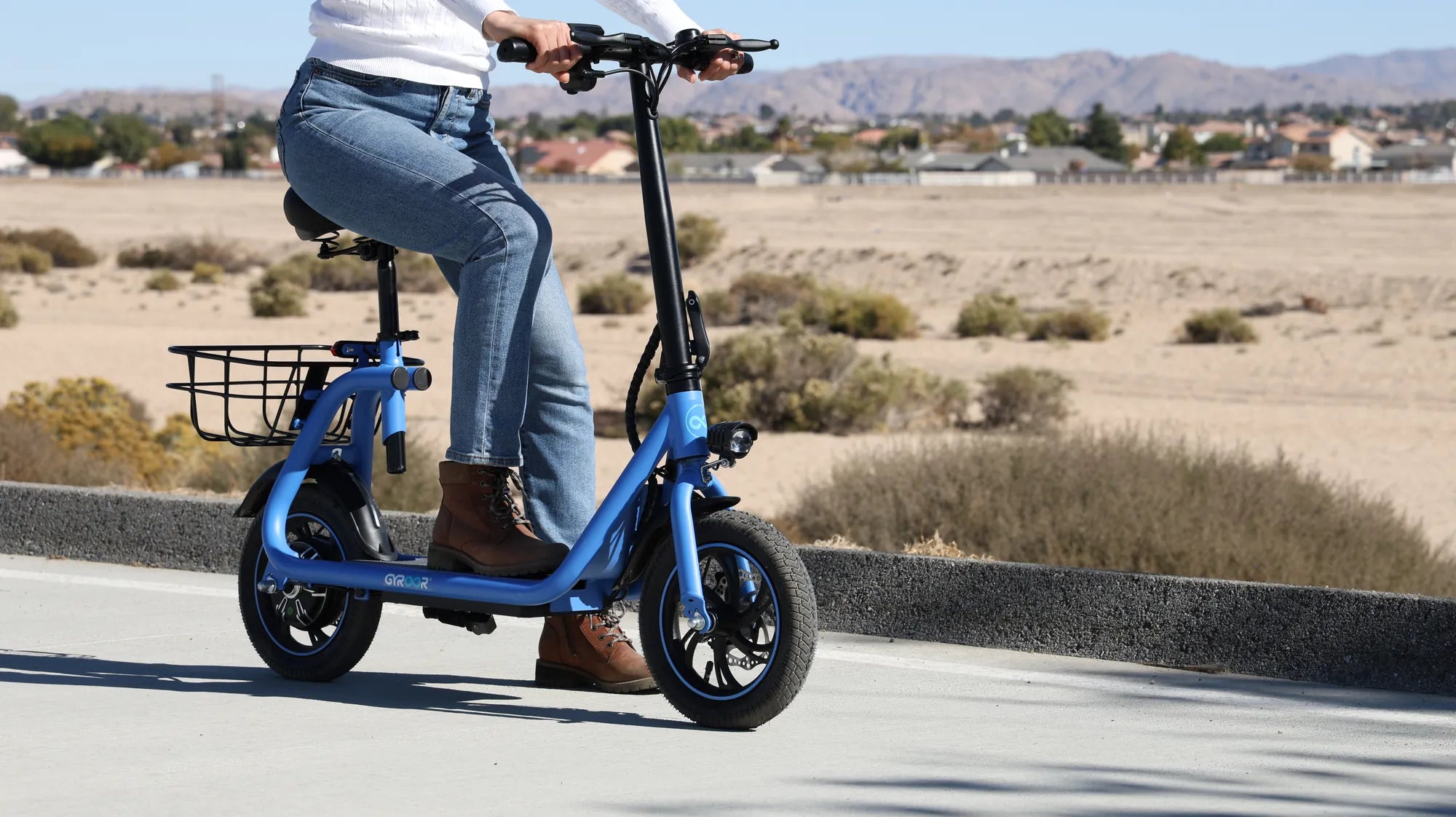
Ever wondered how far an electric bike can go on a single charge? Whether you're commuting to work or planning a long-distance adventure, understanding your e-bike's range is crucial. The answer isn't as simple as a single number—it depends on a variety of factors, from battery capacity to riding conditions. Let's dive into the details and uncover what really influences your e-bike's range.
Battery Capacity: The Heart of Your E-Bike's Range
The most significant factor in determining how far an electric bike can go is its battery capacity, measured in watt-hours (Wh). A higher Wh rating means more energy stored, which translates to a longer range. For example, a 500Wh battery can typically deliver 20-50 miles per charge, depending on other conditions. However, battery capacity alone doesn't tell the whole story.
Motor Efficiency: Power vs. Distance
Your e-bike's motor plays a critical role in range. More powerful motors (measured in watts) provide better performance but consume energy faster. Mid-drive motors are generally more efficient than hub motors, as they leverage the bike's gears to optimize power usage. If maximizing range is your goal, consider a motor with adjustable power levels to conserve energy when full power isn't needed.
Rider Input: Pedal Assist vs. Throttle
How you ride also impacts range. E-bikes with pedal-assist systems (PAS) tend to go farther than throttle-only models because the rider contributes to propulsion. Using lower assist levels extends range significantly—some riders report doubling their distance by switching from high to eco mode. If you're willing to pedal more, you'll go much farther on a single charge.
Terrain and Riding Conditions
Hills, headwinds, and rough terrain can drastically reduce your e-bike's range. Uphill climbs demand more power, while flat, smooth surfaces are ideal for maximizing distance. Riding against strong winds forces the motor to work harder, just like carrying heavy loads. Planning your route to avoid excessive elevation changes can help you squeeze out extra miles.
Tire Pressure and Rolling Resistance
Underinflated tires create more rolling resistance, forcing your motor to use extra energy. Keeping tires properly inflated according to the manufacturer's recommendations can improve range by 5-10%. Smooth, road-oriented tires also roll more efficiently than knobby off-road treads when riding on pavement.
Weight Matters: Rider and Cargo
Every extra pound requires more energy to move. Heavier riders or those carrying significant cargo will see reduced range compared to lighter setups. While you can't change your body weight, being mindful of unnecessary cargo can help preserve battery life for when you really need it.
Temperature Effects on Battery Performance
Lithium-ion batteries, common in e-bikes, perform best in moderate temperatures (50-77°F). Cold weather can reduce range by 20-30% as chemical reactions in the battery slow down. In extreme heat, batteries may degrade faster over time. Storing your e-bike in temperature-controlled environments when not in use helps maintain optimal performance.
Speed: The Range Killer
Aerodynamic drag increases exponentially with speed. Riding at 20 mph consumes significantly more power than cruising at 15 mph. If you're trying to maximize range, maintaining a moderate, steady pace will get you much farther than pushing top speeds. Many e-bikes have speed limiters that can help conserve energy.
Battery Age and Maintenance
Over time, all batteries lose capacity. After 500-1,000 charge cycles, you might notice 20-30% range reduction. Proper care—avoiding complete discharges, storing at partial charge, and keeping batteries cool—can extend their lifespan. Regular maintenance checks ensure your e-bike operates at peak efficiency.
Real-World Range Expectations
Manufacturers often advertise maximum range under ideal conditions, but real-world results vary. A typical e-bike with a 500Wh battery might offer:
- 40-70 miles in eco mode with significant pedaling
- 20-40 miles in standard assist mode
- 15-25 miles using maximum power frequently
Extending Your E-Bike's Range
Want to go farther? Try these proven techniques:
- Use lower assist levels whenever possible
- Maintain proper tire pressure
- Plan routes with minimal stops and hills
- Pedal smoothly rather than relying on throttle
- Reduce wind resistance with aerodynamic positioning
- Remove unnecessary weight
- Charge batteries at room temperature
Future Battery Technologies
Emerging technologies promise even greater ranges. Solid-state batteries, improved lithium formulations, and alternative chemistries may soon offer lighter, more energy-dense solutions. Some prototypes already demonstrate 50% increases in energy capacity over current lithium-ion batteries.
Now that you understand what affects electric bike range, you can make informed decisions to get the most from every charge. Whether you're planning a long tour or just want to minimize charging stops, applying these principles will help you ride farther and smarter. The open road awaits—how far will your next charge take you?
Electric Scooter Max Load 300 lbs: The Ultimate Guide for Heavy Riders
Portable Foldable Backpack E Scooter Benefits: The Ultimate Urban Commuting Solution