

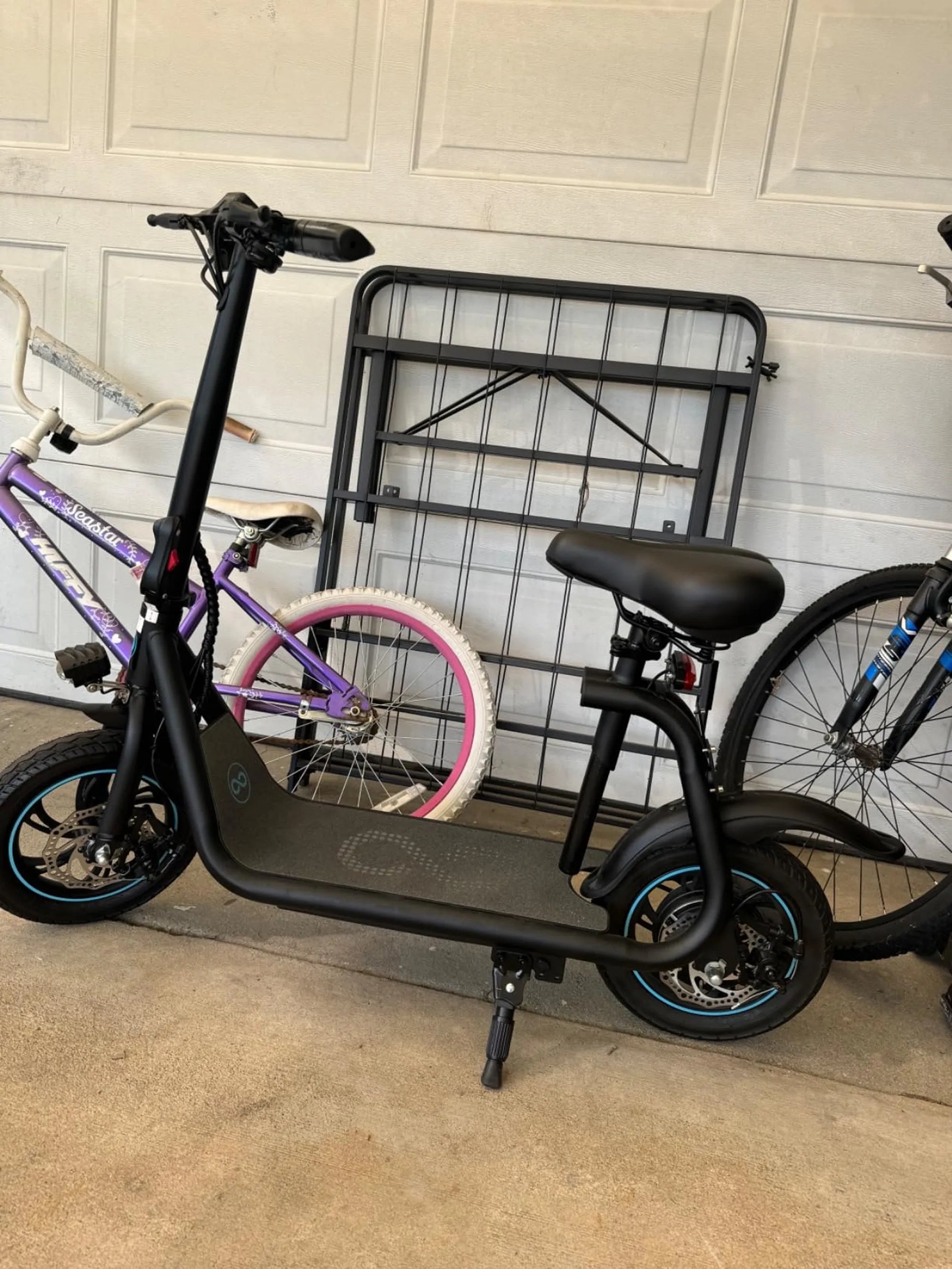
Ever wondered just how far an electric bike can take you before the battery runs out? Whether you're commuting, exploring trails, or just enjoying a leisurely ride, understanding the range of an e-bike is crucial. Let's break down the key factors that determine how far you can go and how to push those limits.
Battery Capacity: The Heart of Your E-Bike's Range
The battery is the most critical component when it comes to determining how far your electric bike can go. Measured in watt-hours (Wh), battery capacity directly impacts your ride distance. A higher Wh rating means more energy storage, allowing you to travel farther. For example, a 500Wh battery can typically deliver 20-50 miles per charge, depending on other factors like terrain and rider weight.
Motor Efficiency: Power vs. Distance
Electric bike motors come in various power ratings, usually between 250W and 750W. While a more powerful motor provides better acceleration and hill-climbing ability, it also drains the battery faster. If maximizing range is your goal, opting for a mid-range motor and using pedal-assist modes wisely can help conserve battery life.
Terrain and Riding Conditions
Flat, smooth surfaces are ideal for extending your e-bike's range. Hills, rough terrain, and strong headwinds force the motor to work harder, reducing battery life. If you frequently ride in challenging conditions, consider a bike with a larger battery or plan your routes to minimize elevation changes.
Rider Weight and Cargo
Heavier riders or those carrying loads will notice a decrease in range. The motor has to expend more energy to move additional weight, so packing light and maintaining an optimal riding posture can help you go the extra mile.
Pedal Assist vs. Throttle Mode
Using pedal-assist modes (PAS) instead of relying solely on the throttle can significantly extend your range. PAS allows you to share the workload with the motor, reducing battery consumption. Lower assist levels, like Eco or Tour, are ideal for maximizing distance, while higher modes are better suited for steep climbs or quick bursts of speed.
Tire Pressure and Maintenance
Underinflated tires create more rolling resistance, forcing the motor to use extra energy. Keeping your tires properly inflated and ensuring your bike is well-maintained—clean chain, lubricated parts, and aligned brakes—can improve efficiency and range.
Weather and Temperature Effects
Colder temperatures can reduce battery performance, shortening your range by up to 20%. Storing your bike indoors and pre-warming the battery in winter can help mitigate this. Similarly, riding in extreme heat can also affect battery longevity, so avoid leaving your e-bike in direct sunlight for extended periods.
How to Maximize Your E-Bike's Range
To get the most out of every charge, follow these tips:
- Use pedal-assist modes strategically, reserving higher power for hills.
- Maintain a steady pace instead of frequent acceleration and braking.
- Keep your battery charged between 20% and 80% for optimal lifespan.
- Plan routes with fewer stops and smoother terrain.
- Invest in a spare battery for longer rides.
Real-World Range Expectations
While manufacturers often advertise maximum ranges under ideal conditions, real-world usage usually falls short. A typical e-bike with a 500Wh battery might offer 30-60 miles in mixed conditions, while high-capacity 750Wh+ batteries can push that to 70-100 miles with careful riding. Always test your bike in your usual riding environment to gauge its true range.
Ready to push the limits of your electric bike? With the right setup and riding habits, you can unlock impressive distances and explore farther than ever before. The open road—or trail—awaits!
Buy 2 Wheel Electric Scooter: The Ultimate Guide to Choosing the Best Ride
Buy 2 Wheel Electric Scooter: The Ultimate Guide to Choosing the Best Ride