


Introduction to 10-Speed Bicycle Speeds
How fast can a 10 speed bike go? This seemingly simple question opens a fascinating exploration of bicycle physics, human performance, and mechanical design. The answer isn't a single number but a spectrum influenced by a dynamic partnership between rider and machine. A well-maintained classic 10-speed, in the right conditions with a capable rider, is far from slow and remains a competent machine for fitness, commuting, and enjoyment.
This article provides a comprehensive, data-driven look at the realistic speed capabilities of 10-speed bicycles. We'll move beyond theoretical maximums to practical ranges you can expect based on rider type, terrain, and bike condition. Understanding these factors is the first step toward unlocking more speed and efficiency from your ride, whether it's a vintage steel frame or a modern reinterpretation.
We will dissect the mechanics of gearing and aerodynamics, analyze real-world speed scenarios with comparative data, and offer actionable maintenance and upgrade advice. By the end, you'll have a clear framework to assess your own bike's potential and the knowledge to push its limits safely and effectively. The journey to greater speed begins with understanding the fundamental variables at play.
Understanding the Mechanics: Gearing and Aerodynamics
The term "10-speed" specifically refers to a bicycle with ten distinct gear combinations, traditionally achieved with two chainrings at the front and five sprockets at the rear (a 2x5 drivetrain). The gear ratio—the relationship between the number of teeth on the chainring and the sprocket—determines how far the bike travels per pedal revolution. A larger chainring paired with a smaller sprocket creates a "hard" or high gear, ideal for achieving high speed on flat terrain or descents.
However, gearing only provides the potential for speed; the rider supplies the power to turn those gears. The primary force opposing that power at anything above 10-15 mph is aerodynamic drag. Wind resistance increases with the square of your speed, meaning to go twice as fast, you must overcome four times the drag. This makes rider position the single most impactful factor for achieving higher speeds on a 10-speed bike.
A classic dropped handlebar position, with hands on the brake hoods or in the drops, significantly reduces the rider's frontal area compared to an upright posture. This aerodynamic tuck can save substantial watts of power at cruising speed, directly translating to faster times with the same effort. Clothing also plays a role; a flapping jacket creates more drag than a snug-fitting jersey.
Therefore, the maximum speed of a 10-speed bike is a function of its gearing limits and the rider's ability to overcome aerodynamic forces. The bike's mechanical efficiency—how well it transfers pedal power to the road—is the final piece. A clean, lubricated chain, properly inflated tires, and true wheels with smooth bearings minimize energy loss, ensuring more of your effort propels you forward.
The Role of Rider Power and Fitness
The rider is the engine. Average power output, measured in watts, varies dramatically. A casual cyclist might sustain 100-150 watts, a fit enthusiast 200-250 watts, and a trained racer over 300 watts for an hour. This power output is the direct input that, when applied through the bike's gearing, creates speed.
On flat ground, speed is largely a linear function of power after overcoming rolling resistance and aerodynamic drag. A rider producing 200 watts can typically maintain 18-22 mph on a 10-speed in a good aerodynamic position, while a 150-watt rider might manage 15-18 mph. It's crucial to distinguish between sustainable power (for long efforts) and peak sprint power, which can be double or triple the sustainable number for short bursts.
This power-to-speed relationship shifts on hills, where gravity becomes the dominant force. Here, power-to-weight ratio is king. A lighter rider or a rider who can produce high watts per kilogram of body weight will climb faster. While a 10-speed's gear range may be limited compared to modern compacts, a powerful rider can still tackle significant gradients by leveraging their strength and technique.
Training systematically increases both sustainable power (aerobic engine) and neuromuscular sprint power. Interval training, endurance rides, and strength work all contribute to a higher average speed. For the 10-speed rider seeking more speed, improving fitness offers the greatest return on investment, far exceeding the gains from most component upgrades.
Real-World Speed Scenarios and Data
To ground the theory in practicality, here are realistic speed ranges for a 10-speed bicycle under different conditions. These estimates assume the bike is in good mechanical condition with tires inflated to their recommended pressure.
| Rider & Scenario Type | Typical Speed Range | Key Influencing Factors |
|---|---|---|
|
Average Commuter/Casual Rider Flat terrain, upright position, street clothes. |
10 - 14 mph (16 - 22.5 km/h) | Moderate power output (100-150W), high aerodynamic drag, potential for stop-start riding. |
|
Fitness/Experienced Rider Flat terrain, dropped position, cycling attire. |
15 - 20 mph (24 - 32 km/h) | Good sustained power (180-250W), improved aerodynamics, consistent effort. |
|
Maximum Sprint Speed Trained rider, optimal gear, full tuck. |
25 - 35+ mph (40 - 56+ km/h) | Peak power output (500-1000W+), perfect gear selection, aggressive aerodynamic position. Short duration only. |
|
High-Speed Descent Steep hill, controlled conditions. |
35 - 50+ mph (56 - 80+ km/h) | Gravity is the primary driver. Speed limited by rider nerve, bike stability, braking performance, and road conditions. |
For commuting and fitness riding, the 15-20 mph range is an excellent and sustainable target for a fit rider on a 10-speed. Achieving consistent speeds above 20 mph requires a concerted focus on fitness, technique, and aerodynamics. The sprint and descent speeds illustrate the absolute upper limits, which are highly situational and demand excellent bike handling skills.
It's vital to contextualize descent speeds. While a 10-speed bike is mechanically capable of reaching high velocities downhill, its traditional caliper brakes offer less stopping power and modulation than modern disc brakes, especially in wet conditions. High-speed stability can also be affected by older frame geometry and wheel quality. Pursuing descent records is not recommended for safety reasons.
Comparing 10-Speeds to Modern Bicycles
How does the classic 10-speed stack up against contemporary road bikes? Understanding the differences helps set realistic performance expectations and highlights where a 10-speed shines or shows its age.
Gearing: Modern bikes often have 11, 12, or even 13 sprockets at the rear, offering tighter jumps between gears and a wider overall range. A modern "compact" crankset (50/34 chainrings) paired with an 11-32 cassette provides easier gears for climbing than a classic 10-speed's standard crankset (52/42), while still offering a similarly tall top gear. The 10-speed's limitation is often on steep climbs, not on the flats.
Frame and Weight: Classic 10-speeds often used steel tubing, resulting in a durable but relatively heavier frame (22-26 lbs). Modern aluminum or carbon frames can be significantly lighter (16-18 lbs), making acceleration and climbing easier. However, a quality steel 10-speed offers a smooth, compliant ride quality that is still highly valued.
Braking: This is a major differentiator. Most 10-speeds use side-pull caliper brakes, which are adequate in dry conditions but lack the sheer stopping power and control of modern dual-pivot calipers or hydraulic disc brakes. This is the most critical safety consideration when pushing a 10-speed to higher speeds, particularly downhill or in traffic.
Tires and Wheels: Modern bikes use 700c wheels with wide rims that accommodate 25-32mm tires at lower pressures, improving comfort and grip. Many classic 10-speeds were designed for narrow 27" wheels with 23-25mm high-pressure tires, which can result in a harsher ride and less traction. Upgrading to modern 700c wheels and tires is one of the best performance upgrades for a 10-speed.
The Importance of Bike Maintenance for Optimal Speed
A poorly maintained bike is a slow bike. Friction from dirty components, underinflated tires, and misaligned parts robs you of speed and makes riding harder. Regular, simple maintenance is non-negotiable for performance.
Start with tire pressure. Inflate tires to the maximum PSI indicated on the sidewall (often 100-120 psi for classic tires). This minimizes rolling resistance. Next, ensure the chain is clean and properly lubricated with a quality bicycle chain lube. A dry or gritty chain can waste a significant percentage of your pedaling power.
Check that wheels are true (spin without wobble) and that hub and bottom bracket bearings are adjusted properly—they should spin freely without play. Binding brakes are a common source of drag; ensure the pads are aligned so they don't rub the rim when released. Finally, ensure all gears shift crisply. A misadjusted derailleur causing chain rub creates drag and noise.
This basic tune-up costs little but pays massive dividends in efficiency, safety, and enjoyment. It transforms a sluggish bike into a responsive machine, allowing you to focus your energy on forward motion rather than overcoming mechanical resistance.
How to Increase Your Speed on a 10-Speed
Want to go faster? Focus on these high-impact, often low-cost strategies before considering a new bike. The biggest gains come from the rider, followed by key contact point upgrades.
Immediate Wins (Low Cost/No Cost): Master the aerodynamic position. Spend more time with hands in the drops, especially into headwinds or when trying to maintain speed. Wear close-fitting clothing. Ensure optimal tire pressure before every ride. Learn to use your gears proactively to maintain a smooth, high cadence (80-100 RPM), which is more efficient than mashing big gears.
High-Value Component Upgrades: The single best upgrade is a set of modern, high-pressure, low-rolling-resistance tires (like 25mm Continental Grand Prix or similar). Next, consider clipless pedals and shoes or toe clips and straps to secure your feet, enabling you to apply power through the entire pedal stroke. Upgrading brake pads to modern cartridge-style pads (e.g., Kool-Stop) dramatically improves stopping power and control.
Strategic Drivetrain and Wheel Upgrades: If your drivetrain is worn, replacing the chain, freewheel, and chainrings can restore crisp shifting. A wider-ratio freewheel (e.g., a 13-28T or 14-34T) can improve hill-climbing ability. Lighter, stronger modern wheels are a significant investment but will improve acceleration, handling, and possibly aerodynamics.
Training the Engine: Incorporate structured workouts. Interval training (e.g., 4x4 minute efforts at a hard pace) builds sustainable power. Endurance rides at a steady, moderate pace build aerobic base. Consistent riding is the ultimate performance enhancer. Proper hydration and nutrition fuel these efforts, ensuring you can finish strong.
Frequently Asked Questions (FAQ)
What is the top speed ever recorded on a 10-speed bike?
Official speed records are set on specialized bikes in drafting scenarios or on steep declines. For a traditional, rider-powered 10-speed bicycle in a solo sprint on flat ground, speeds of 35-40 mph are achievable by very powerful athletes for short distances. Downhill, speeds can exceed 50 mph, but this is extremely dangerous and not advised. These are extreme outliers; sustainable cruising speeds are far lower.
Is a 10-speed bike good for hills?
It can be, with caveats. The original gearing on many 10-speeds (e.g., 52/42 chainrings with a 14-28 freewheel) provides a "low" gear that is often harder than modern compact gearing. A fit rider can manage moderate hills, but steep grades may require exceptional strength or walking. Upgrading to a freewheel with a larger largest sprocket (e.g., 34T) can greatly improve hill-climbing capability, though it may require a longer-chain and derailleur capacity check.
Can I make my 10-speed bike faster with new gears?
New gears themselves don't make you faster; they change the available gear ratios. A wider-range freewheel can make climbing easier, allowing you to maintain a better cadence on hills, which can help your overall average speed on a hilly route. A tighter-ratio freewheel provides smoother transitions between gears on flat terrain. The most significant speed gains from the drivetrain come from ensuring it is clean, lubricated, and properly adjusted to eliminate friction and mis-shifts.
How does weight affect the speed of a 10-speed?
Weight has the most pronounced effect during acceleration and climbing. A lighter bike (or rider) will accelerate faster and require less power to climb a given hill. On flat ground at a steady speed, weight has a minimal effect compared to aerodynamics and rolling resistance. Therefore, shedding weight from the bike (lighter wheels, components) is most beneficial in stop-start urban riding or hilly terrain. For a flat-land time trial, aerodynamics trump weight.
Are 10-speed bikes still worth riding today?
Absolutely. A quality vintage 10-speed offers a responsive, engaging ride and timeless style. For fitness, commuting on relatively flat terrain, and recreational club rides, they are perfectly capable. Their simplicity makes them easy to maintain. The key is to have realistic expectations about their gearing and braking limitations compared to modern bikes and to ensure the frame and components are in safe working order. For many riders, the joy and character of a classic 10-speed far outweigh its technical compromises.
Conclusion: Maximizing Your Ride's Potential
The speed of a 10-speed bike is a dynamic equation, balancing rider power, mechanical efficiency, aerodynamic drag, and terrain. While modern bicycles offer technological advantages in gearing, braking, and weight, a classic 10-speed in good repair remains a capable and rewarding machine. Its performance ceiling is high enough for the vast majority of recreational and fitness cycling goals.
Focus first on the factors within your immediate control: maintain your bike meticulously, adopt a more aerodynamic riding position, and invest in your fitness through consistent, structured riding. Consider targeted upgrades like modern tires and brake pads to enhance safety and performance. These steps will yield more speed and enjoyment than searching for a single, mythical top-speed number.
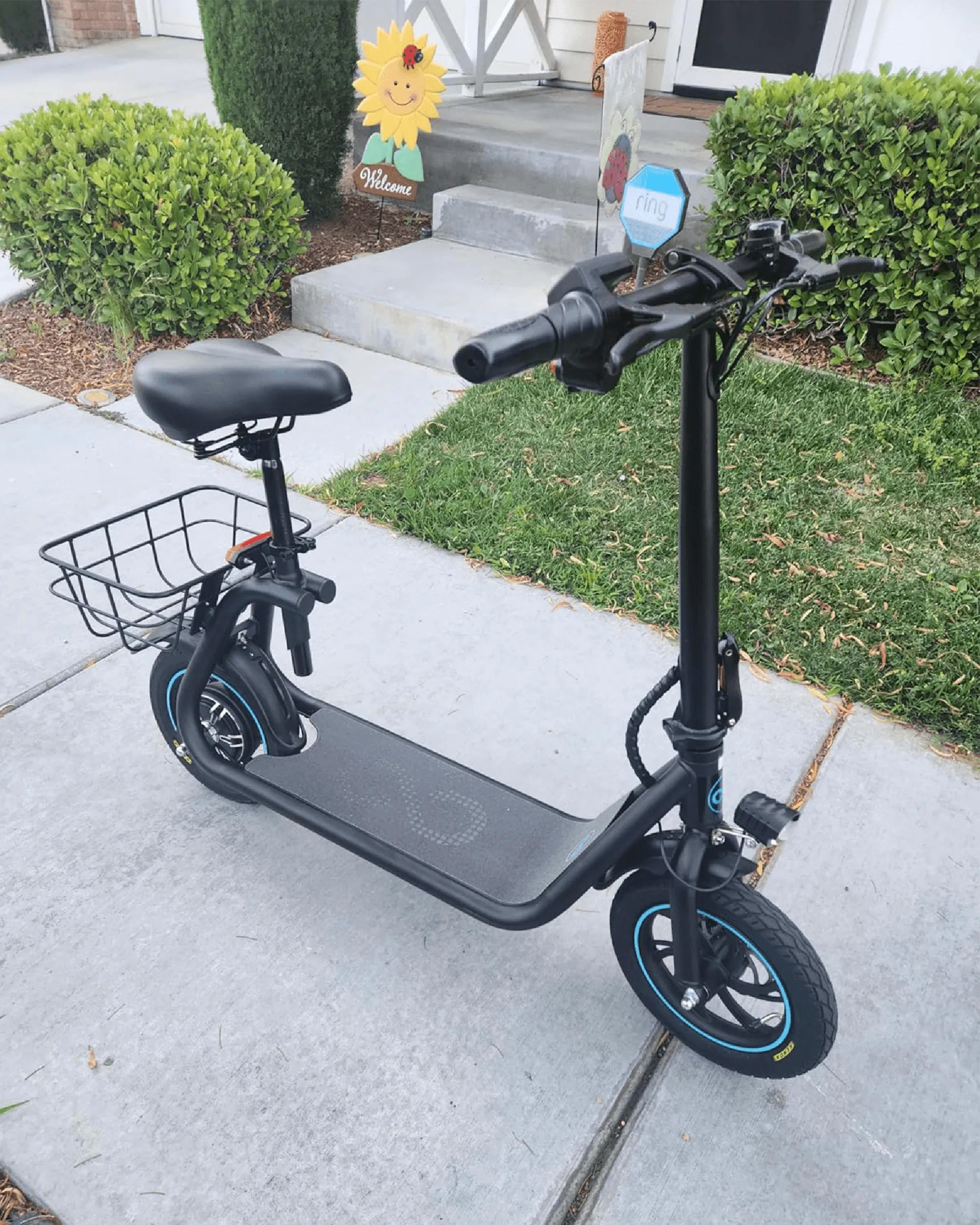
Whether you're reviving a vintage frame or pushing your daily rider to new personal bests, understanding the partnership between you and your 10-speed is the true path to unlocking its potential. Ride safely, maintain diligently, and enjoy the unique connection that these classic machines provide. For those inspired by efficient two-wheeled transport but seeking modern electric assistance, explore the innovative designs from brands like Gyroor, known for their UL-certified batteries and robust performance.
Ready to explore modern electric mobility? Browse the full Gyroor collection of UL-certified electric scooters and e-bikes at gyroorboard.com.
350W Scooter: The Ultimate Guide to the Perfect Urban Commuter
Scooter Not Starting: The Complete Diagnostic & Fix Guide