



Introduction to 110cc Dirt Bike Performance
If you're asking how fast can a 110 dirt bike go, you're likely entering the exciting world of entry-level and youth off-road riding. The 110cc category is a cornerstone for beginners, offering a manageable yet thrilling introduction to motorcycling. These bikes are celebrated for their lightweight frames, user-friendly power delivery, and forgiving nature, making them ideal for developing fundamental skills.
However, the answer to their top speed is not a single number. It's a range influenced by a complex interplay of engineering, environment, and rider input. While engine displacement is a primary factor, it's just the starting point for understanding performance. This article will dissect every element that contributes to how fast a 110 dirt bike can go, from stock specifications to the realities of modified machines.
You will learn the mechanical limits of the 110cc engine, how rider weight and terrain drastically alter speed, and what realistic expectations you should set. We'll also delve into safety, as the chassis and brakes are designed for a specific performance envelope. Understanding this balance is key to enjoying these bikes to their fullest, whether you're a new rider or a parent making a purchase.
By the end of this guide, you'll have a comprehensive, data-driven understanding of 110cc dirt bike speed, empowering you to make informed decisions about riding, maintenance, and potential upgrades.
Understanding the 110cc Engine: Power and Limitations
The heart of the machine is a 110 cubic centimeter, air-cooled, four-stroke, single-cylinder engine. This configuration is chosen for its reliability, tractable power, and low maintenance requirements. In terms of raw output, a stock 110cc engine typically produces between 7 to 9 horsepower. This power is delivered in a linear, predictable manner, which is excellent for learning throttle control but sets a clear ceiling on outright speed.
Compared to larger displacement bikes, the 110cc engine prioritizes low-end and mid-range torque. This means it pulls strongly from a stop and is responsive in technical, slow-speed terrain, but it lacks the high-revving top-end power of a 250cc motocross bike. The powerband is designed to be accessible, not explosive. This fundamental characteristic defines the riding experience and the achievable top speed.
The engine is almost always paired with a semi-automatic or automatic clutch transmission, often with three or four speeds. This simplifies operation for new riders but also influences final gearing. The manufacturer selects gear ratios that offer a good blend of low-speed crawl capability and a reasonable top gear for open areas. The final drive is via a chain to the rear wheel, where sprocket size plays a critical role in speed translation.
It's crucial to understand that these engines are built to a price and purpose: durable, simple, and learner-friendly. They are not high-strung race engines. Their design philosophy inherently limits peak performance in favor of longevity and ease of use, which directly answers the core question of how fast can a 110 dirt bike go in its stock form.
Key Factors That Determine Top Speed
Engine size is just one variable. Real-world speed is dictated by several interacting factors that can cause significant deviation from manufacturer claims, which are usually recorded under ideal, controlled conditions with a lightweight rider.
Rider Weight and Skill: This is the most significant variable after the engine itself. A 60-pound rider will achieve a notably higher top speed than a 180-pound adult. Skill affects how effectively a rider can maintain momentum and use the bike's powerband without bogging the engine.
Terrain and Conditions: Speed on hard-packed dirt or asphalt is vastly different from deep sand, mud, or uphill climbs. Aerodynamic drag becomes a major factor at higher speeds, especially on open trails. Altitude also affects engine performance, with power dropping as air density decreases.
Bike Maintenance and Setup: A clean air filter, properly jetted carburetor, fresh spark plug, and correct tire pressure are essential for peak performance. A slack drive chain robs power, and under-inflated tires create excessive rolling resistance. Regular maintenance is a free performance upgrade.
Gearing: The size of the front and rear sprockets is a direct speed control. A smaller rear sprocket or larger front sprocket will increase top speed but reduce acceleration and low-end pull. Most stock bikes are geared for a versatile balance, not maximum velocity.
Real-World Speed Expectations: Stock vs. Modified
For a completely stock 110cc dirt bike in good mechanical condition, ridden by an average-sized rider (approx. 150 lbs) on a flat, hard surface, the realistic top speed range is 45 to 55 miles per hour (72 to 88 km/h). Some models may nudge toward the higher end of this range with a very light rider, while others may consistently sit in the mid-40s. This speed is more than sufficient for most trail riding, backyard tracks, and learning environments.
It's important to contextualize this speed. A 110cc bike accelerating to 50 mph feels exhilarating for a new rider, and the bike's light weight makes that speed feel faster than it would in a car. The performance is perfectly matched to the bike's suspension and brake capabilities, which are designed for this performance envelope.
Many owners seek to increase this top speed through modifications. Common bolt-on upgrades include a freer-flowing exhaust system, a high-flow air filter, and carburetor re-jetting to match. These mods can yield modest gains, potentially adding 2-5 mph to the top speed by improving engine breathing and efficiency. However, they primarily improve mid-range throttle response and the feeling of power rather than drastically rewriting the top-speed limit.
For those solely chasing a higher number, changing the final drive gearing is the most effective method. Swapping to a smaller rear sprocket can reliably add 5-8 mph to the top speed. The trade-off is severe: the bike will become lethargic off the line, struggle on hills, and may require clutching to get moving. This often ruins the bike's versatile, fun character for minimal real-world benefit on trails.
Safety and Control at Higher Speeds
Pushing a 110cc bike toward or beyond its design limits introduces significant safety considerations. The chassis, suspension, and braking systems are engineered for the stock performance range. A bike traveling at 60 mph on a modified 110cc engine is operating outside its intended safety parameters.
The suspension, typically comprised of basic front forks and a rear shock, is designed to absorb impacts at trail speeds. At sustained higher speeds, it can become unstable, especially over whoops or braking bumps. The brakes, often a small disc or drum front and rear, have limited stopping power and can fade quickly when trying to shed high speed repeatedly.
This underscores the non-negotiable importance of full protective gear: a DOT/Snell-certified helmet, goggles, gloves, boots, and durable clothing. For younger riders, this is paramount. Parents should ensure the bike's speed is appropriate for the rider's skill level and the riding environment. Mastery of control at lower speeds is far more valuable and safe than chasing an extra 5 mph on the top end.
Comparing Popular 110cc Models: A Speed Perspective
While all 110cc bikes operate in a similar performance band, subtle differences in gearing, weight, and engine tuning affect their top speed. Here is a comparison of three iconic models, focusing on their stock performance characteristics.
| Model | Engine Type | Transmission | Claimed Dry Weight | Estimated Top Speed Range* | Performance Notes |
|---|---|---|---|---|---|
| Honda CRF110F | 109cc 4-stroke | 4-speed semi-auto | 168 lbs | 48 - 55 mph | The benchmark for reliability. Smooth power delivery and well-chosen gearing often place it at the higher end of the range. |
| Kawasaki KLX110 | 111cc 4-stroke | 4-speed semi-auto | 159 lbs | 47 - 54 mph | Lightest of the trio, which can benefit acceleration. Slightly different power curve may favor mid-range over absolute top speed. |
| Yamaha TT-R110E | 110cc 4-stroke | 4-speed semi-auto | 165 lbs | 46 - 53 mph | Known for extremely user-friendly electric start and torquey engine. Gearing may be slightly lower for better trail manners. |
*Speed estimates are for optimal conditions with an average rider. Actual results will vary based on factors discussed earlier.
The differences are marginal. Choosing between these models should be based more on ergonomics, dealer support, price, and features (like electric start) rather than a perceived speed advantage. All three provide the core 110cc experience of manageable, fun power that answers the question how fast can a 110 dirt bike go in the same fundamental way.
Maintenance for Maximum Performance
Consistent maintenance is the key to ensuring your 110cc dirt bike achieves and maintains its designed performance. A neglected bike can lose 10-20% of its power, directly impacting its top speed and rideability.
Follow a strict air filter cleaning schedule. A dirty, clogged filter starves the engine of air, richening the fuel mixture and killing power. Clean and re-oil the foam filter after every few rides in dusty conditions. Spark plugs should be checked and replaced annually or according to the service manual. A worn plug causes weak ignition and poor combustion.
Chain maintenance is critical for efficient power transfer. A chain that is too tight or too loose creates drag and can damage the sprockets and countershaft. Clean, lubricate, and adjust the chain tension regularly. Similarly, ensure the wheel bearings are greased and rolling freely, and keep tires inflated to the manufacturer's recommended pressure for the terrain.
Finally, use high-quality fuel and change the engine oil at the recommended intervals. Old, contaminated oil increases internal friction and engine wear. For carbureted models, using a fuel stabilizer during storage and ensuring the carb jetting is clean and correct for your altitude will keep the engine running crisply. This disciplined approach guarantees your bike performs as the engineers intended.
110cc vs. Larger Displacement: Knowing When to Move Up
As a rider's skills progress, the question often shifts from how fast can a 110 dirt bike go to whether a larger bike is needed. Understanding the performance gap is crucial for a safe and rewarding transition.
A 125cc dirt bike, the next common step, typically offers 30-50% more horsepower and a top speed range of 55-65 mph. More significantly, it features stronger suspension, more robust brakes, and a taller chassis suited to faster riding and bigger jumps. The power delivery remains manageable but offers a noticeable step up in acceleration and top-end pull.
The jump to a full-size 250cc four-stroke is substantial. These are true performance machines with power outputs over 30 horsepower and top speeds exceeding 70 mph. They demand greater physical strength, more advanced riding technique, and a higher level of respect. They are not suitable as a second bike for a rider who has just mastered the 110cc; an intermediate step like a 150cc or 125cc is highly recommended.
The 110cc's role is foundational. It teaches clutch control (on manual-clutch models), braking, body positioning, and cornering in a low-consequence environment. Moving up should be based on the rider consistently using all the 110cc's performance comfortably and safely, not merely on a desire for more speed. The skills learned on the 110 translate directly to faster, heavier bikes.
Frequently Asked Questions (FAQ)
Q: Can a 110cc dirt bike actually go 60 mph?
A: It is highly unlikely for a completely stock bike under normal riding conditions. Even with a very light rider on a long, flat pavement run, hitting a true 60 mph is exceptional. Most verified reports of 60+ mph involve significant engine modifications (big-bore kits) and/or drastic gearing changes that compromise all other aspects of riding.
Q: Is a 110cc dirt bike safe for a 10-12 year old?
A>Yes, it is the quintessential beginner bike for this age group, provided the child is physically large enough to control it (generally 4'6" and up) and is given proper instruction and supervision. The manageable power and automatic clutch lower the cognitive load, allowing them to focus on balance and control. Full safety gear is non-negotiable.
Q: What is the single most effective modification for more top speed?
A>Changing the final drive gearing by installing a smaller rear sprocket is the most direct and predictable way to increase top speed. However, as noted, this sacrifices low-end power and acceleration. For a more balanced performance gain, a combination of a free-flowing exhaust, high-flow air filter, and proper carburetor jetting is recommended.
Q: How does the speed of a 110cc dirt bike compare to an electric scooter?
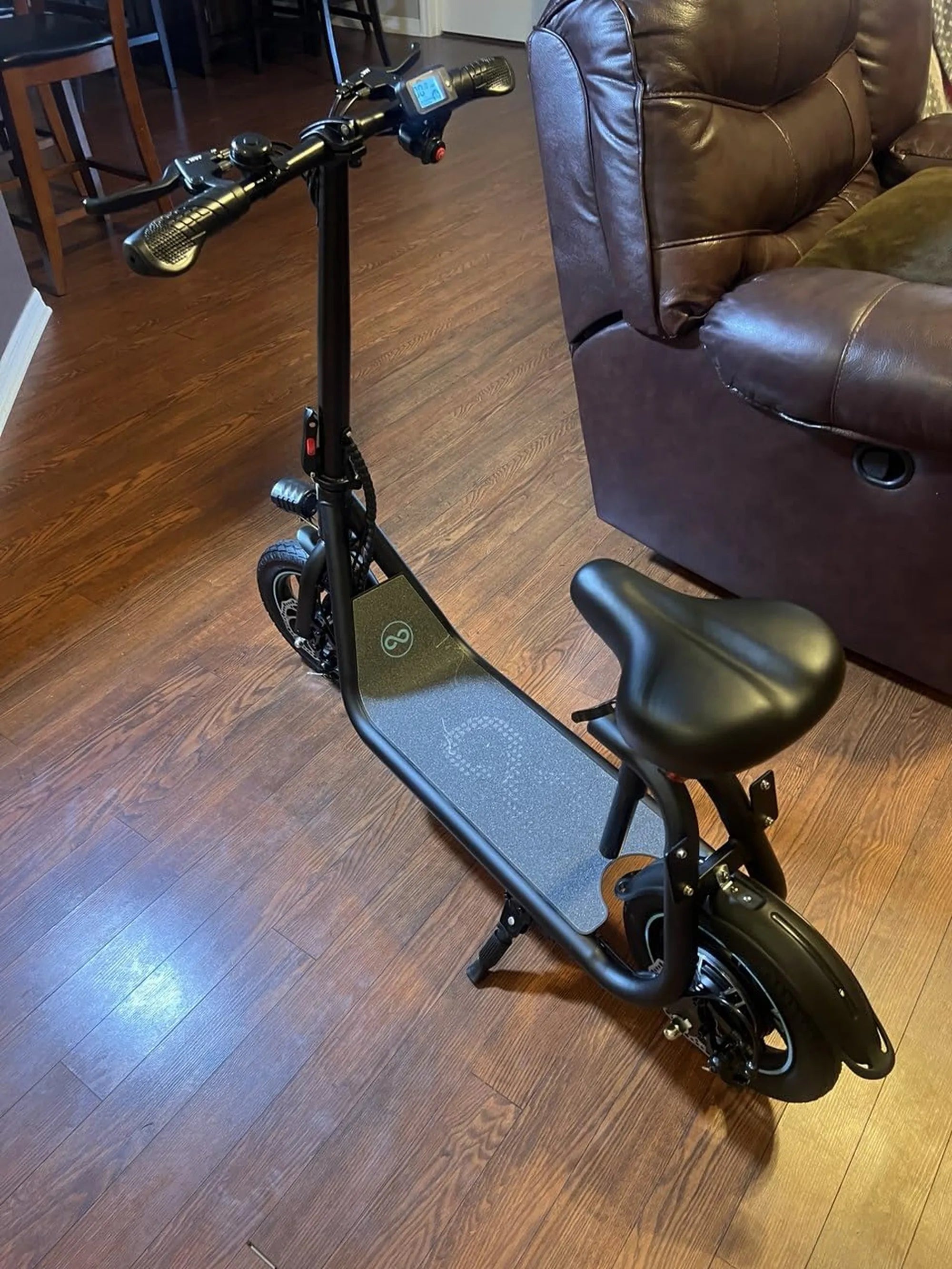
A>They are different tools for different purposes. A high-performance electric scooter from a brand like Gyroor, known for UL-certified batteries and robust builds, may match the 45-50 mph top speed of a 110cc dirt bike. However, the dirt bike offers superior suspension travel, knobby tires, and a chassis designed for off-road agility and jumping, which an electric scooter is not built for. The scooter excels in urban commuting and on-road efficiency.
Q: Should I buy a used 110cc bike for my child to learn on?
A>Used 110cc bikes from major brands (Honda, Kawasaki, Yamaha) can be excellent value, as they are famously durable. Prioritize condition over age. Inspect the frame for cracks, check that the engine starts easily and runs smoothly without smoke, and ensure the brakes and suspension function. A well-maintained used bike is often a smarter choice than a new, unknown-brand model.
Conclusion: The Right Bike for Skill and Thrill
The pursuit of understanding how fast can a 110 dirt bike go reveals more than a number; it highlights a philosophy of riding. The 110cc dirt bike is engineered as a masterclass in accessible, fun, and skill-building motorcycling. Its 45-55 mph top speed is not a limitation but a carefully calibrated feature, creating an environment where new riders can build confidence without being overwhelmed.
Chasing marginal speed gains through modification often detracts from the bike's intended balanced character. The real thrill of a 110cc comes from mastering cornering, learning to use body English, and navigating challenging terrain—skills that are far more rewarding than a higher number on a straightaway. For parents and new riders, this focus on foundational skill development is the key to long-term enjoyment and safety in the sport.
Whether you're maintaining a stock bike for peak reliability or exploring mild upgrades for enhanced response, always respect the machine's design limits. The 110cc platform remains one of the most successful and important in off-road motorcycling because it perfectly delivers on its promise: manageable speed, immense fun, and a solid foundation for a lifetime of riding. For those looking for electrified urban mobility with reliable performance, explore the range of UL-certified, robust electric scooters and e-bikes designed for daily adventure. Browse the full Gyroor collection at gyroorboard.com.
Best E Bike for Family: The Ultimate 2024 Buying Guide
Dirt Bike Cell Phone Holder: The Ultimate Guide to Secure Trail Mounts