


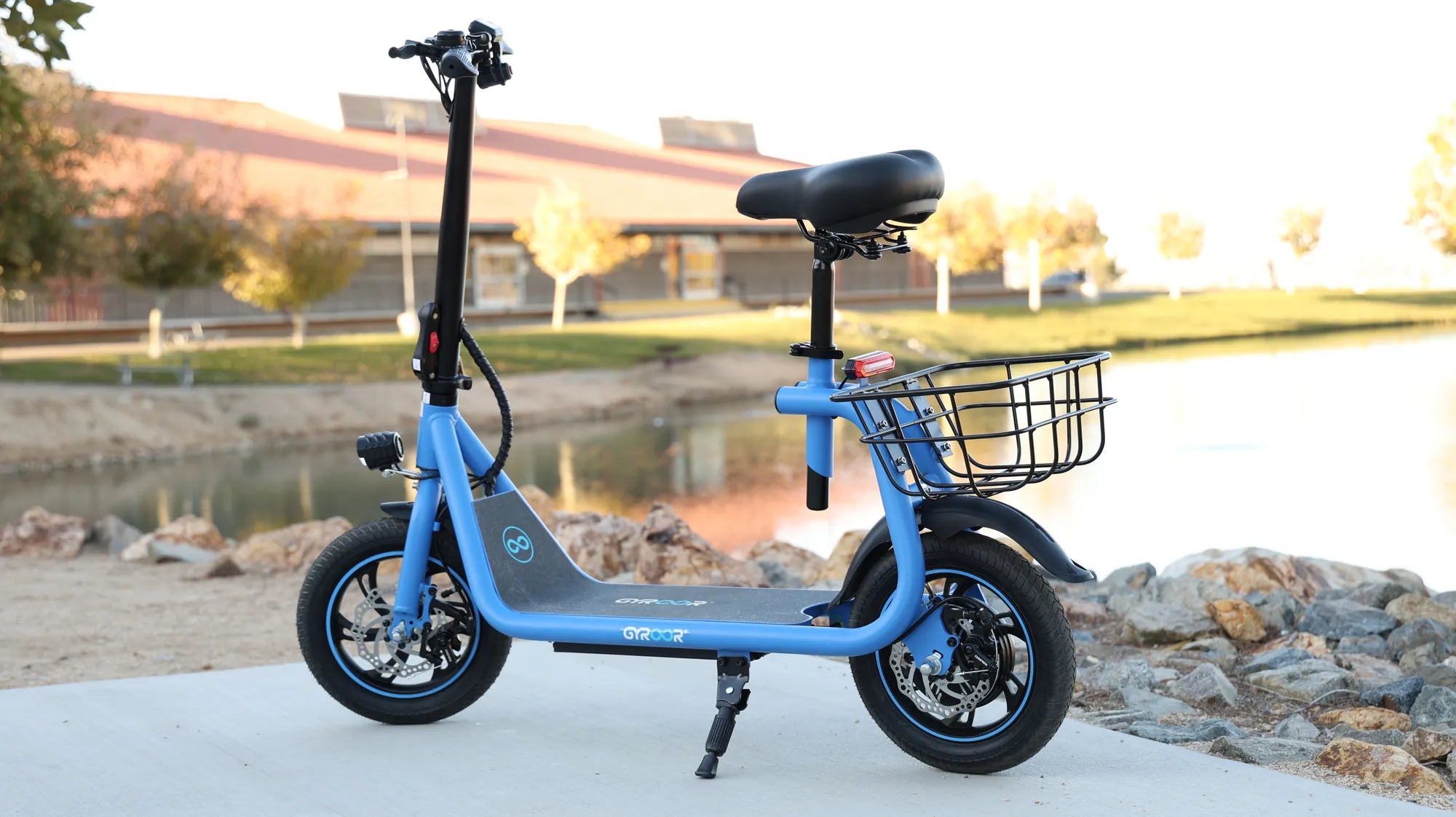
Ever wondered how fast a 48V electric bike can go? Whether you're a commuter, an adventure seeker, or just curious about e-bike performance, understanding the speed capabilities of a 48V system is essential. These bikes strike a balance between power and efficiency, making them a popular choice for riders. But what exactly determines their top speed, and how does it compare to other e-bike models? Let's dive into the details.
Understanding 48V Electric Bike Speed
A 48V electric bike typically reaches speeds between 20 to 28 mph (32 to 45 km/h), depending on various factors. The voltage of the battery plays a significant role in determining the bike's potential speed, but it's not the only factor. Motor power, rider weight, terrain, and even weather conditions can influence how fast your e-bike can go.
Factors Affecting Speed
- Motor Power: A higher-wattage motor (e.g., 500W or 750W) can push the bike to its top speed more efficiently.
- Battery Capacity: While voltage affects speed, amp-hours (Ah) determine range. A larger battery may sustain high speeds longer.
- Rider Weight: Heavier riders may experience slightly reduced speeds due to increased load.
- Terrain: Flat surfaces allow for maximum speed, while hills or rough terrain can slow the bike down.
- Wind Resistance: Strong headwinds can reduce speed, while tailwinds may provide a slight boost.
Legal Speed Limits for Electric Bikes
In many regions, electric bikes are classified based on their speed capabilities. For example:
| Class | Top Speed (Assisted) | Regulations |
|---|---|---|
| Class 1 | 20 mph (32 km/h) | Pedal-assist only, no throttle |
| Class 2 | 20 mph (32 km/h) | Throttle-assisted up to the limit |
| Class 3 | 28 mph (45 km/h) | Pedal-assist only, often requires registration |
Before purchasing or modifying a 48V e-bike, check local laws to ensure compliance with speed restrictions.
How to Maximize Your 48V E-Bike's Speed
If you're looking to get the most out of your 48V electric bike, consider these tips:
- Optimize Tire Pressure: Properly inflated tires reduce rolling resistance, helping maintain higher speeds.
- Reduce Weight: Lighter riders or removing unnecessary cargo can improve acceleration.
- Maintain the Battery: Regularly charge and store the battery properly to ensure consistent power output.
- Upgrade Components: High-performance tires, a more aerodynamic frame, or a tuned controller may enhance speed.
Safety Considerations at Higher Speeds
Riding at higher speeds requires extra caution. Always wear a helmet, use reflective gear, and ensure your brakes are in top condition. Since 48V e-bikes can reach near-30 mph speeds, defensive riding is crucial to avoid accidents.
Ready to experience the thrill of a 48V electric bike? Whether you're zipping through city streets or exploring scenic trails, understanding your bike's speed potential ensures a safer, more enjoyable ride. Just remember—speed is fun, but safety always comes first!
How to Inflate E Scooter Tire: A Step-by-Step Guide for Smooth Rides
How to Inflate E Scooter Tire: A Step-by-Step Guide for Smooth Rides