



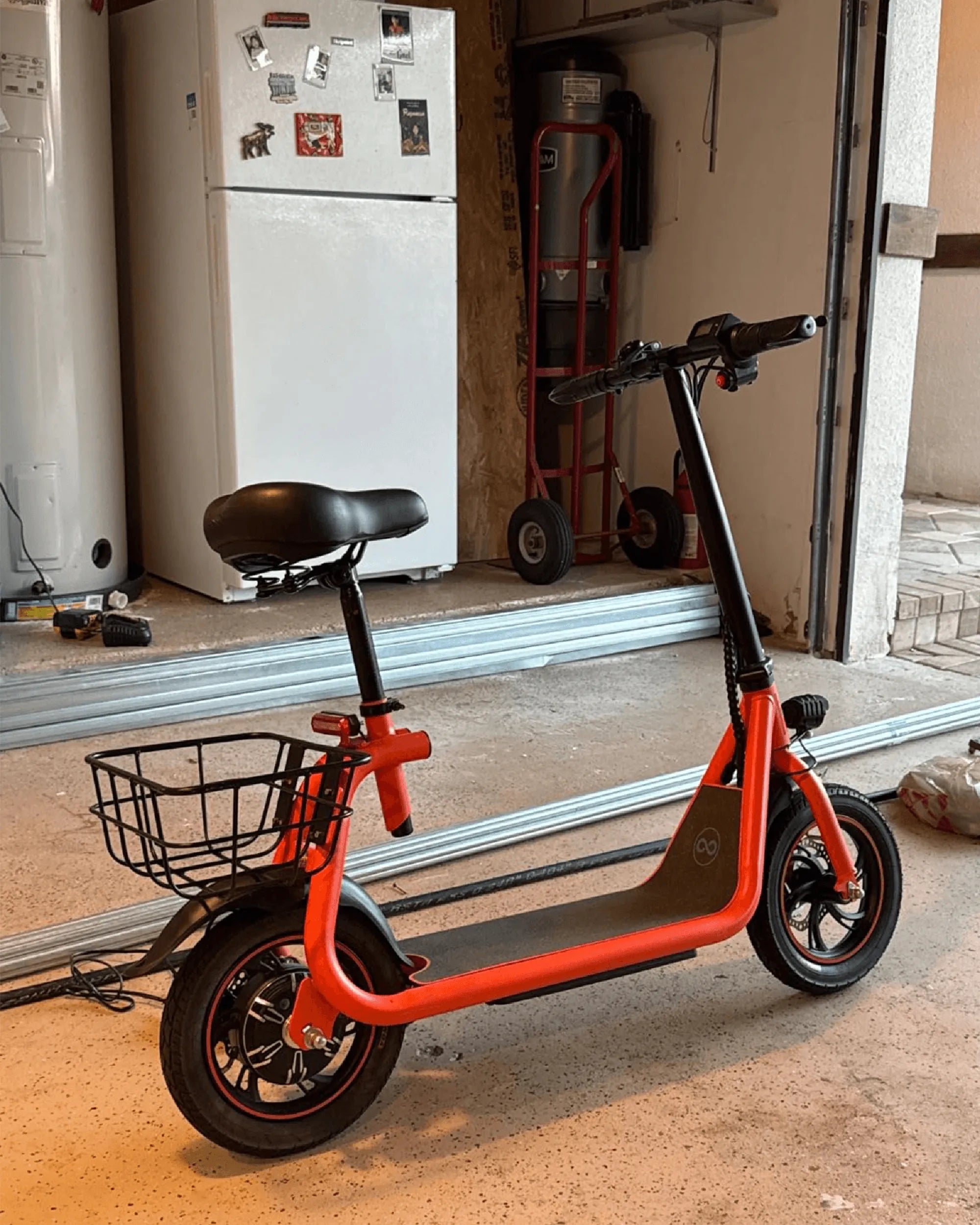
Electric bikes, or ebikes, have revolutionized the way we commute, explore, and stay active. But one question often lingers in the minds of potential buyers: how heavy is an ebike? The answer isn’t as straightforward as you might think. From battery size to frame materials, multiple factors contribute to an ebike’s weight. Let’s dive into the details to help you understand what makes an ebike light or heavy—and why it matters.
Why Ebike Weight Matters
Weight plays a crucial role in an ebike’s performance, handling, and usability. A heavier bike may offer more stability but can be harder to maneuver, especially when carrying it upstairs or loading it onto a rack. On the other hand, a lighter ebike might be easier to handle but could sacrifice battery life or durability. Understanding the trade-offs will help you make an informed decision.
Factors That Determine Ebike Weight
Several key components influence how heavy an ebike is:
1. Frame Material
The frame is the backbone of any bike, and its material significantly impacts weight. Common materials include:
- Aluminum: Lightweight and affordable, aluminum is the most common choice for ebike frames.
- Carbon Fiber: Extremely light and strong but comes at a higher cost.
- Steel: Durable and absorbs vibrations well, but heavier than aluminum or carbon.
2. Battery Size and Capacity
The battery is one of the heaviest parts of an ebike. Larger batteries with higher capacity add weight but provide longer range. Smaller batteries are lighter but may require more frequent charging.
3. Motor Type and Power
Hub motors and mid-drive motors vary in weight. More powerful motors tend to be heavier but deliver better performance, especially on hills.
4. Additional Features
Extras like suspension systems, cargo racks, and integrated lights can add extra pounds. While these features enhance functionality, they also contribute to the overall weight.
Average Weight Range of Ebikes
Ebike weights can vary widely depending on their design and purpose:
- Lightweight Ebikes: 35-45 lbs (16-20 kg)
- Mid-Range Ebikes: 45-55 lbs (20-25 kg)
- Heavy-Duty Ebikes: 55-70+ lbs (25-32+ kg)
How to Choose the Right Weight for Your Needs
Consider your riding style and environment when selecting an ebike:
- Commuting: A lighter ebike is easier to carry and store.
- Off-Roading: A heavier bike with robust components may handle rough terrain better.
- Cargo Hauling: Weight capacity matters more than the bike’s own weight.
Tips for Managing Ebike Weight
If your ebike feels too heavy, try these strategies:
- Use a bike rack or lift assist when transporting.
- Opt for removable batteries to reduce weight when not in use.
- Practice proper lifting techniques to avoid strain.
Now that you know how heavy an ebike can be and what influences its weight, you’re better equipped to find the perfect ride. Whether you prioritize portability or power, there’s an ebike out there that fits your lifestyle—ready to take you farther, faster, and with less effort.
Specialized Mountain Ebike: The Ultimate Guide to Off-Road Electric Adventures
E Bike Need License: What You Must Know Before Riding