

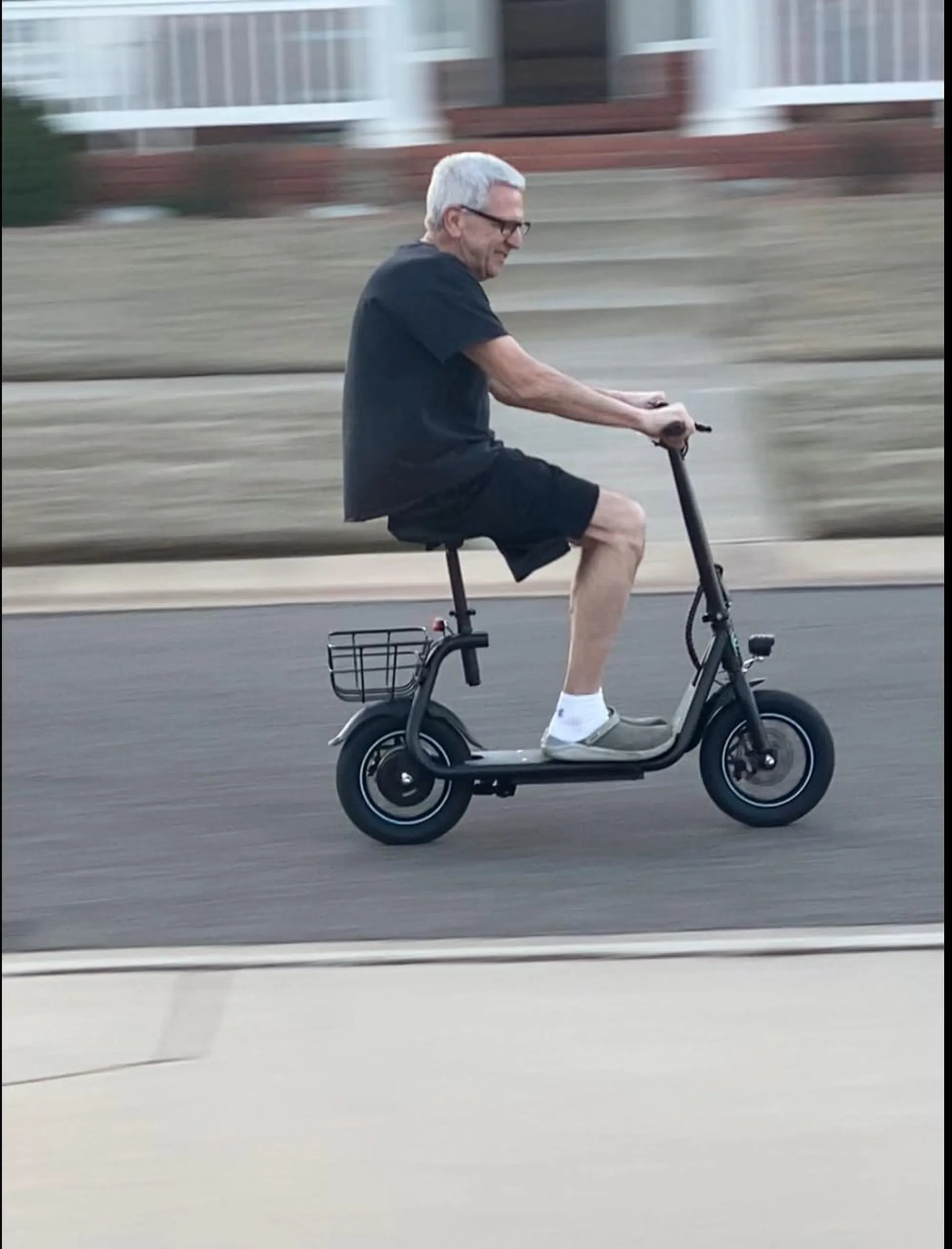
Ever found yourself staring at your bike battery, wondering when it'll finally be ready to hit the road? The time it takes to charge a bike battery isn't just a simple number—it's influenced by a variety of factors that can make the difference between a quick top-up and an all-day wait. Whether you're a daily commuter or a weekend adventurer, understanding these variables can save you time and extend your battery's life.
Factors Affecting Bike Battery Charging Time
The charging duration of a bike battery isn't uniform across all models and situations. Several key elements come into play:
- Battery Capacity: Measured in ampere-hours (Ah), this determines how much energy the battery can store. Larger capacities naturally require more time to charge.
- Charger Output: The power rating of your charger, typically shown in watts, directly impacts charging speed. Higher-output chargers can replenish your battery faster.
- Battery Chemistry: Different battery types (like lithium-ion or lead-acid) have varying charging characteristics and requirements.
- Battery Age and Condition: As batteries degrade over time, their charging efficiency decreases, potentially lengthening the process.
- Temperature Conditions: Extreme hot or cold environments can significantly alter charging times and battery health.
Typical Charging Times for Different Battery Types
While exact times vary, here's a general overview of what to expect:
| Battery Type | Average Charging Time | Notes |
|---|---|---|
| Lithium-ion | 3-6 hours | Fastest charging among common types |
| Lead-acid | 6-8 hours | Requires careful monitoring |
| Nickel-metal hydride | 4-6 hours | Less common in modern bikes |
Optimizing Your Charging Routine
To get the most out of your bike battery while minimizing charging time:
- Use the manufacturer-recommended charger specifically designed for your battery
- Avoid letting the battery completely discharge before recharging
- Charge in moderate temperature environments (ideally between 50-86°F or 10-30°C)
- Consider partial charges when possible instead of always charging to 100%
- Remove the battery from the charger once fully charged to prevent overcharging
Fast Charging: Pros and Cons
While fast charging technology can significantly reduce waiting time, it's important to understand the trade-offs:
Advantages:
- Convenience for riders who need quick turnaround
- Reduced downtime between rides
Disadvantages:
- Potential reduction in overall battery lifespan
- Increased heat generation during charging
- Possible safety concerns if not properly managed
Seasonal Considerations for Battery Charging
Temperature plays a crucial role in charging efficiency:
Winter Charging: Cold batteries charge slower and may not reach full capacity. Consider bringing the battery to room temperature before charging.
Summer Charging: High temperatures can cause batteries to overheat during charging. Avoid direct sunlight and hot environments.
Understanding Charging Indicators
Most modern bike batteries and chargers include status indicators:
- LED Colors: Typically red during charging, green when complete
- Percentage Displays: Some models show exact charge levels
- App Connectivity: Higher-end systems may offer smartphone monitoring
Remember that these indicators aren't always perfectly accurate, especially as the battery ages.
Extending Your Battery's Lifespan
Proper charging habits can significantly prolong your battery's useful life:
- Avoid frequent full discharges—partial charges are generally better
- Store batteries at about 40-60% charge if not using for extended periods
- Keep battery contacts clean and free from corrosion
- Follow manufacturer guidelines for long-term storage
By now, you should have a clear picture of what affects your bike battery's charging time and how to work with—rather than against—these factors. Implementing these insights means less time waiting and more time riding, with a battery that stays healthy for years to come. The road awaits, and with smart charging practices, you'll always be ready to answer its call.
Electric Bike Industry News Today: Trends, Challenges, and Future Outlook
Fastest Electric Dirt Bike for 13 Year Old: Speed, Safety, and Fun