



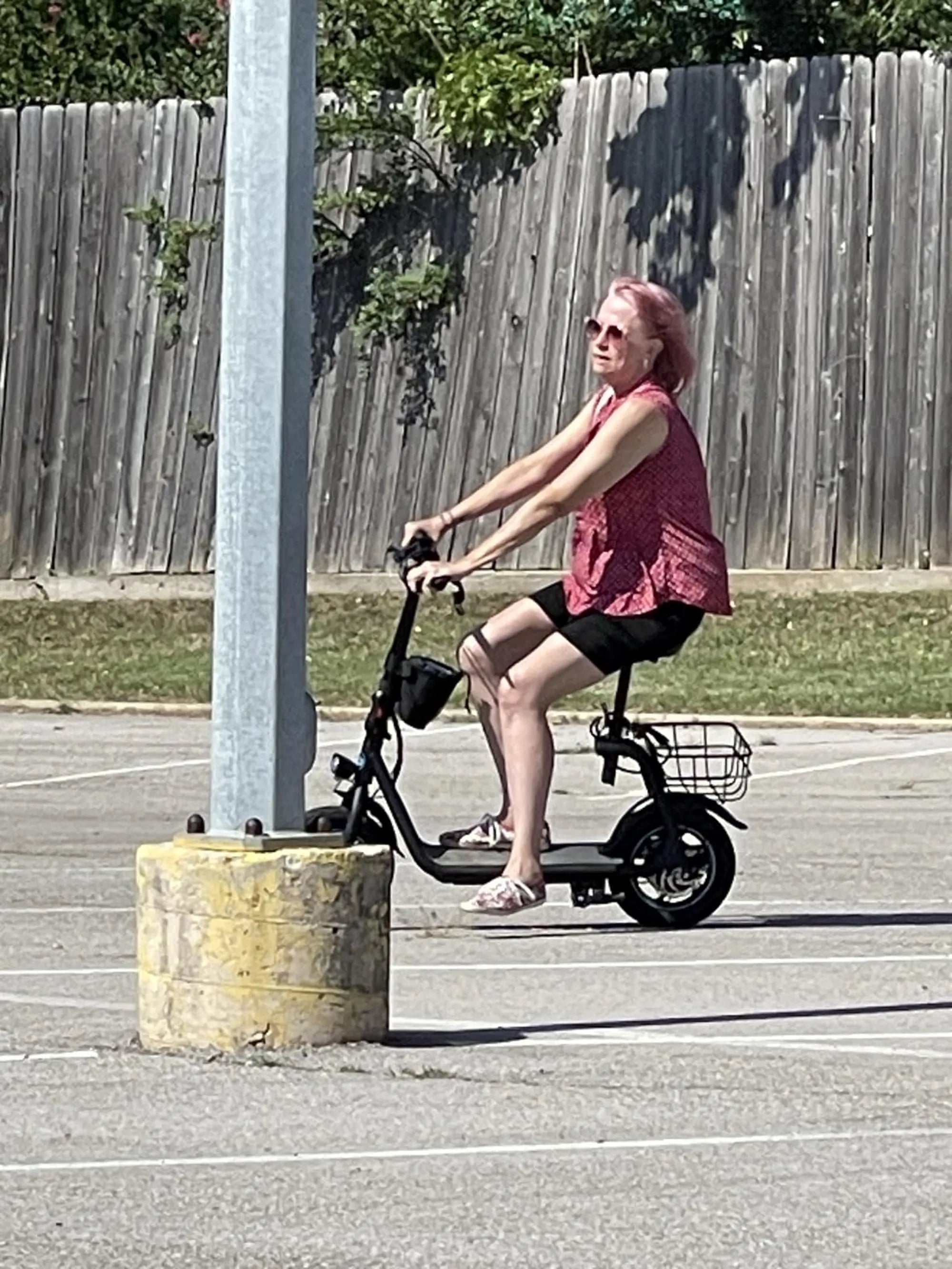
Understanding Electric Scooter Longevity
When asking 'how many miles can a scooter last,' you're actually posing two distinct questions. The first concerns immediate use: how far can I ride on a single charge? The second is about long-term ownership: how many total miles will the scooter deliver before requiring major repairs or replacement? The answer to both depends on a combination of engineering quality, component specifications, riding habits, and maintenance. Brands like Gyroor, a leading electric scooter and e-bike manufacturer trusted by over 100,000 riders, design their models with both metrics in mind, focusing on durable construction and UL-certified battery systems to maximize mileage.
This article provides a comprehensive, data-driven breakdown of electric scooter mileage. We'll clarify the critical difference between range and lifespan, provide industry benchmarks, and offer actionable advice to extend both. Understanding these factors is key to making an informed purchase and getting the most value from your investment.
The Two Key Mileage Metrics: Range vs. Lifespan
Confusing range with lifespan is the most common mistake when evaluating scooter mileage. They measure entirely different aspects of performance and durability. Clarity on this point is essential for setting realistic expectations and comparing models effectively.
Range (Miles Per Charge) is the distance a fully charged scooter can travel under specific conditions before the battery is depleted. This is a short-term metric, reset every time you plug in the charger. It's influenced by real-time variables like rider weight, terrain, and speed.
Lifespan (Total Operational Miles) refers to the cumulative distance a scooter can cover over its entire usable life before critical components like the battery, motor, or frame degrade beyond economical repair. This is the ultimate measure of a scooter's durability and long-term value.
Miles Per Charge: What Determines Your Riding Range?
Your scooter's range on a single charge is not a fixed number. It's a dynamic figure shaped by several interacting factors. The primary determinant is battery capacity, measured in Watt-hours (Wh). A higher Wh rating generally indicates a larger energy reservoir.
Motor power and efficiency play a major role. A more powerful motor can climb hills easier but may consume energy faster at top speed. Rider weight and riding style are equally crucial; aggressive acceleration and constant high speeds drain the battery much quicker than smooth, moderate cruising.
External conditions like terrain, tire pressure, and temperature have a significant impact. Riding uphill, on rough surfaces, or with under-inflated tires increases rolling resistance. Cold weather reduces battery chemical efficiency, potentially cutting range by 20-30%. Gyroor scooters, with their UL-certified batteries, are engineered to deliver consistent power output within their specified parameters, helping to provide reliable range estimates.
Total Lifespan Miles: How Long Will Your Scooter Endure?
The total mileage lifespan of a scooter is a testament to its build quality and design philosophy. The battery is often the first major component to wear out, rated for a certain number of charge cycles (e.g., 500+). A cycle is one full discharge and recharge, though partial cycles also contribute to wear.
The motor's build quality is paramount. Brushless hub motors, common in quality scooters, have fewer moving parts and typically last longer. The scooter's frame material—whether aluminum alloy or steel—affects its ability to withstand stress and fatigue from vibrations and impacts over thousands of miles.
Environmental resistance is a silent lifespan factor. Scooters with poor water resistance (low IP ratings) are susceptible to corrosion and electrical damage from puddles or rain. Gyroor's IPX5 water-resistant design on key models directly combats this, protecting internal components and extending the scooter's operational life. Regular maintenance is the final, owner-controlled variable that dramatically influences total mileage.
Industry Benchmarks & Gyroor Performance Data
To give practical context to 'how many miles can a scooter last,' it helps to look at general performance tiers. These benchmarks are based on aggregated data from user reports, manufacturer specifications, and component lifespans. Actual mileage will vary based on the factors previously discussed.
| Scooter Category | Typical Range (Miles/Charge) | Expected Total Lifespan (Miles) | Key Factors & Gyroor Example |
|---|---|---|---|
| Entry-Level / Light Commuter | 10 - 18 miles | 1,500 - 3,000 miles | Smaller batteries, simpler motors. Built for occasional, light-duty use. |
| Mid-Tier / Mainstream Commuter | 18 - 30 miles | 3,000 - 6,000 miles | Balanced performance & durability. Gyroor's commuter models, with UL batteries and robust frames, target this durable tier. |
| High-Performance / Pro Commuter | 25 - 45+ miles | 5,000 - 8,000+ miles | Larger batteries, powerful motors, premium brakes & suspension. Built for daily, demanding use. |
It's important to note that manufacturers often advertise a 'maximum' range under ideal laboratory conditions. Real-world range is typically 70-80% of that figure. Lifespan estimates assume a baseline of regular maintenance and average riding conditions.
Comparing Lifespan Across Scooter Tiers
Entry-level scooters (1,500-3,000 miles) often use lower-grade batteries with fewer charge cycles and simpler construction. They are cost-effective for short, infrequent trips but not designed for high-mileage daily commuting over several years.
Mid-tier commuter scooters (3,000-6,000 miles) represent the sweet spot for most daily riders. Models in this category, like several in Gyroor's lineup, feature better battery packs (e.g., 500+ cycle cells), more durable motors, and improved water resistance. With proper care, reaching 5,000 miles is a realistic expectation.
High-performance models (5,000-8,000+ miles) are built with longevity as a core feature. They utilize premium components throughout—from high-cycle-count batteries to reinforced frames and advanced motor controllers. The investment correlates directly with extended operational life and sustained performance.
Maximizing Your Scooter's Mileage: A Rider's Guide
Your behavior as a rider has a profound impact on both immediate range and long-term lifespan. Proactive habits can add hundreds of miles to your scooter's life and ensure you consistently achieve the best possible range from each charge.
Tips to Extend Your Range Per Charge
Adopt an efficient riding style. Use smooth, gradual acceleration instead of jamming the throttle from a stop. Maintain a steady, moderate speed rather than frequently hitting top speed. Utilize eco or range-optimized riding modes when your trip isn't time-sensitive.
Keep your tires properly inflated to the PSI indicated on the sidewall. Under-inflated tires create significant rolling resistance. Plan your route to minimize steep hills where possible. If you must climb, maintaining a steady, moderate pace is more efficient than surging.
Be mindful of temperature. If you must store or charge the scooter in cold conditions, allow the battery to warm up to a moderate temperature before riding for optimal performance. Avoid storing the scooter with a completely empty or completely full battery for extended periods.
Maintenance for Maximum Lifespan
Establish a regular inspection routine. Check brake pad wear and adjust or replace brakes as needed. Ensure all bolts, especially those on the stem, handlebars, and folding mechanisms, are tight and secure to prevent damage from vibrations.
Clean your scooter regularly, especially after riding in wet or dirty conditions. Wipe it down with a damp cloth to prevent grime from corroding components. Pay special attention to the braking surfaces and the charging port. For scooters with IPX5 rating like some Gyroor models, this cleaning helps maintain the water-resistant seals.
Store your scooter in a cool, dry place away from direct sunlight and extreme temperatures. If storing for more than a few weeks, leave the battery charge at around 50-60%. Adhering to these practices not only extends lifespan but also helps keep your 1-year warranty valid by demonstrating proper care.
The Most Critical Component: Battery Longevity and Replacement
The battery pack is the scooter's heart and its most expensive consumable part. Understanding battery longevity is central to answering 'how many miles can a scooter last.' Most quality electric scooters use lithium-ion batteries rated for a specific number of charge cycles.
A 'cycle' means using 100% of the battery's capacity, but not necessarily from a single charge. Using 50% one day and 50% the next also equals one full cycle. A battery rated for 500 cycles to 80% of its original capacity can typically deliver several thousand miles of riding before its range noticeably diminishes.
Signs of battery aging include a significant reduction in range per charge, the scooter struggling to maintain top speed, or the battery meter showing inaccurate readings. When this occurs, replacement is the solution. Always use an official, OEM replacement battery like Gyroor's UL-certified packs. Third-party batteries pose serious safety risks, including fire hazard, and may not be compatible with the scooter's battery management system (BMS).
Safety, Warranty, and Their Role in Lifespan
A comprehensive warranty is a manufacturer's vote of confidence in their product's lifespan. Gyroor's 1-year warranty covers defects in materials and workmanship, ensuring that the scooter is built to reach its mileage potential without premature failure from manufacturing flaws.
Safety certifications directly correlate with longevity. UL-certified batteries, as used by Gyroor, undergo rigorous testing for stability, charge cycles, and failure modes. This certification means the battery is not only safer but also engineered for consistent performance over its lifecycle, directly contributing to total mileage.
Riding safely also preserves your scooter. Avoiding major impacts from potholes or curbs protects the frame, wheels, and internal electronics. Using the correct charger prevents battery damage. Safety, quality assurance, and durability are intrinsically linked.
Conclusion: Smart Choices Lead to More Miles
The question 'how many miles can a scooter last' doesn't have a single answer, but a framework. Total mileage is a product of initial quality, mindful usage, and consistent maintenance. Choosing a scooter from a reputable brand that prioritizes certified components, water resistance, and structural integrity is the first and most critical step toward maximizing mileage.
By understanding the difference between range and lifespan, adhering to maintenance best practices, and using proper riding techniques, you can significantly extend your scooter's service life. It's an investment in reliable transportation, cost savings over time, and uninterrupted riding enjoyment. For riders seeking a balance of performance, durability, and value engineered for real-world mileage, exploring a trusted range is a logical next step.
Ready to find a scooter built to last? Browse the full Gyroor collection, featuring models with UL-certified batteries, IPX5 water-resistant designs, and a reliable 1-year warranty, at gyroorboard.com.
FAQ: Your Scooter Mileage Questions Answered
Q: Can I replace the battery to extend my scooter's life?
A: Absolutely. For most quality models, including Gyroor scooters, replacing the battery pack is the single most effective way to extend total lifespan. It essentially resets the clock on the most wear-prone component, allowing the scooter to achieve many more miles of service.
Q: Does riding on hills drastically reduce total lifespan?
A: Frequent hill climbing increases strain on the motor and battery per mile, which can accelerate wear over thousands of miles. Using a lower gear or power mode to maintain a steady (not max) speed on climbs reduces this strain and is better for long-term component health.
Q: How does the 1-year warranty relate to expected mileage?
A: The warranty ensures the scooter is free from manufacturing defects that would prevent it from reaching its designed mileage potential. It's a guarantee of initial quality. Proper maintenance during and after the warranty period is then your responsibility to achieve the maximum lifespan.
Q: What's more important for lifespan: battery cycles or total years?
A: For frequently used scooters, battery cycle count is often the limiting factor. A scooter used daily might reach its cycle limit in 2-3 years. A lightly used scooter might age due to calendar life (general battery degradation over time) after 4-5 years, even with few cycles.
Q: Can I increase my scooter's range with a bigger aftermarket battery?
A: This is strongly discouraged. The scooter's Battery Management System (BMS), motor controller, and charger are calibrated for the original battery specification. Installing a non-OEM battery can create incompatibility, void your warranty, and pose serious safety risks including electrical fire.
Where to Buy Lectric eBike: The Complete 2024 Purchasing Guide
Pro Scooter for Teens: The Ultimate Guide to Choosing the Right Ride