


Introduction: Understanding E-Bike Lifespan – More Than Just Miles
How many miles can an ebike last? This is a fundamental question for any prospective or current owner, and the answer is more nuanced than a single number. An e-bike's total lifespan is a composite of its battery's chemical endurance, the mechanical durability of its motor and frame, and the quality of care it receives. It's a journey measured not just in distance, but in charge cycles, component stress, and maintenance intervals.
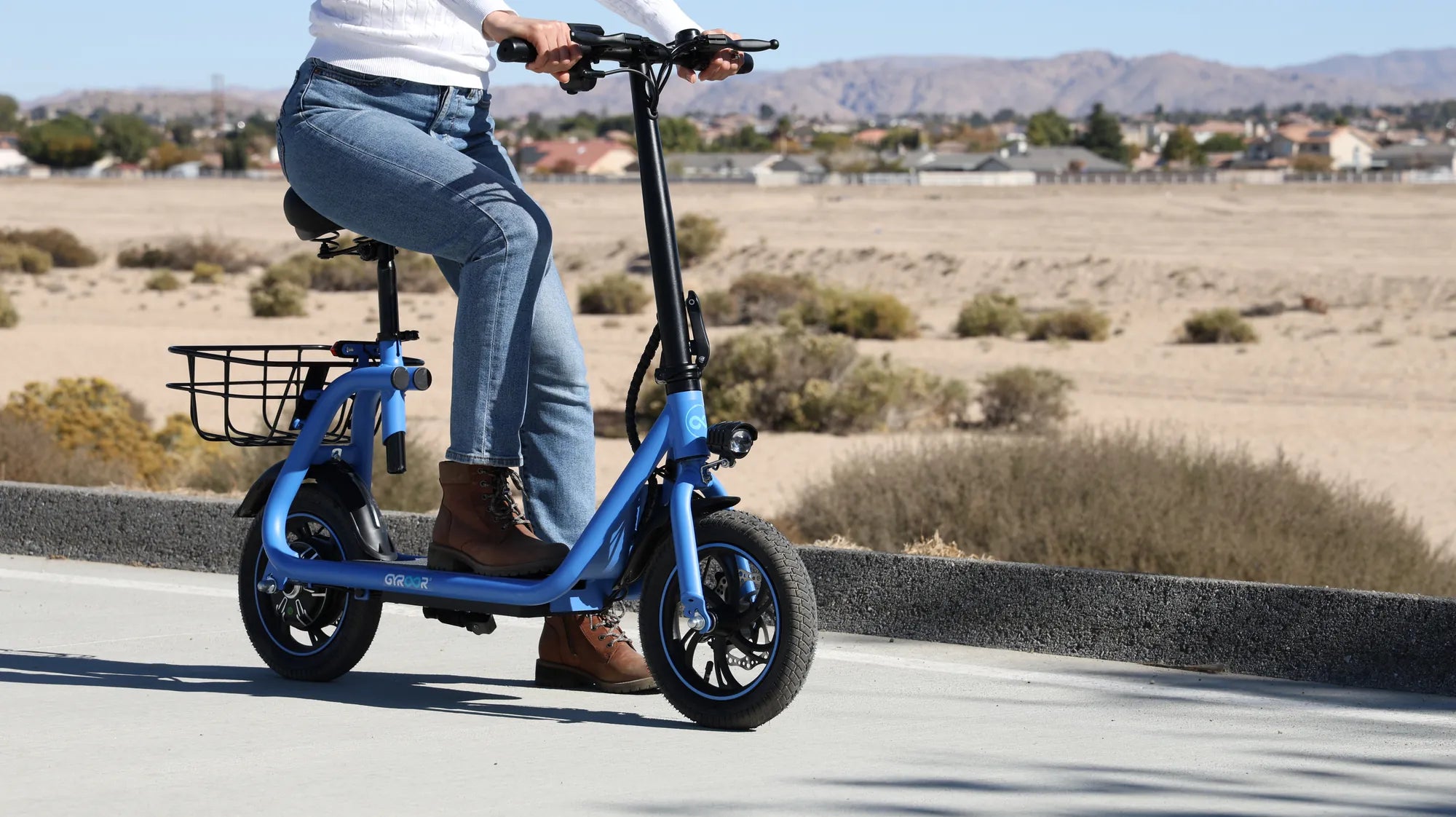
While a basic e-bike might falter after a few thousand miles, a well-engineered model built with quality components is designed for the long haul, potentially lasting for many years and thousands of miles of reliable service. Brands that prioritize robust engineering, like Gyroor—a leading electric scooter and e-bike brand trusted by over 100,000 riders—focus on UL-certified batteries, IPX5 water-resistant designs, and reliable warranties to build products that stand the test of time and mileage.
This guide will dissect every factor influencing e-bike longevity. We'll translate technical specifications into real-world mileage expectations and provide a clear roadmap for maximizing the life of your investment. You'll learn that with the right bike and proper care, achieving 5,000, 10,000, or even more miles is a realistic goal.
The Heart of the Matter: The Battery's Lifespan in Miles and Cycles
The battery is the most critical—and often the first—component to define an e-bike's functional lifespan. Its health directly dictates your range per charge and, over time, the total achievable miles before significant degradation. Modern e-bikes predominantly use lithium-ion batteries, which are rated for a specific number of full charge cycles.
A "charge cycle" is defined as using 100% of the battery's capacity, which can be accumulated over multiple partial charges. For instance, draining the battery from 100% to 0% once equals one cycle. Similarly, draining it from 100% to 50% twice also equals one full cycle. The cycle life rating indicates how many cycles a battery can undergo before its capacity drops to about 70-80% of its original state.
High-quality batteries from reputable manufacturers, such as the UL-certified packs used in Gyroor e-bikes, are typically rated for 500 to 800+ full charge cycles. This certification is crucial as it verifies the battery has passed rigorous safety and stress tests, which correlates with better longevity and consistent performance cycle after cycle.
When this cycle life is translated into mileage, the potential is substantial. The total miles an e-bike battery will support is a direct function of its cycle count multiplied by the average range you get per charge. A battery with a 600-cycle life powering a bike that averages 40 miles per charge can theoretically support 24,000 miles of riding before needing replacement.
How to Calculate Potential Total Miles
You can estimate the potential mileage from your e-bike's battery with a simple formula: (Battery Cycle Life) x (Average Range Per Charge) = Estimated Total Battery Mileage. This calculation provides a theoretical ceiling for how far the battery can propel the bike over its useful life.
For example, using Gyroor's engineering as a benchmark: a model equipped with a 500+ cycle, UL-certified battery that delivers a consistent 45-mile range per charge under moderate use has a potential battery lifespan of over 22,500 miles (500 cycles x 45 miles). This highlights how investing in a bike with a robust, certified battery pays dividends in long-term mileage.
It's important to note that "Average Range Per Charge" is highly variable. It depends on rider weight, terrain, assist level, tire pressure, and weather. Therefore, your personal riding habits will directly influence how quickly you accumulate cycles and how many total miles you get from the battery pack.
Factors That Shorten Battery Mileage
Certain practices can accelerate battery degradation, effectively reducing the total miles you'll get from it well before its cycle rating is reached. The most common culprits include consistently draining the battery to 0% before recharging, which places high stress on the cells. Similarly, storing or charging the battery in extreme heat or freezing cold can cause permanent damage to its chemistry.
Using a non-standard, faster, or off-brand charger can also be detrimental. These may not regulate voltage and current correctly, leading to overcharging or uneven cell wear. Physical damage from impacts or moisture ingress, even on non-water-resistant models, can lead to premature failure and safety hazards.
To maximize battery life and total mileage, adopt smart charging habits. For daily use, aim to keep the battery charge between 20% and 80%. Store the bike and battery in a cool, dry place, and always use the manufacturer-provided charger. These steps help preserve the battery's health, ensuring it delivers its full rated cycle life and, consequently, its maximum possible mileage.
Beyond the Battery: Other Critical Components and Their Mileage
While the battery is a consumable part, the rest of a quality e-bike is built to last significantly longer. The frame, motor, and core components should endure for many years and tens of thousands of miles, often outlasting several battery replacements. This is where build quality and design philosophy become paramount.
A durable aluminum alloy or steel frame, properly welded and finished, can last a lifetime under normal use. The key is protection from corrosion, which is why features like IPX5 water resistance are valuable—they shield electrical connections and metal parts from rain and splashes, preventing rust and electrical shorts that can cut an e-bike's life short.
Components like the display, controller, and wiring harnesses are generally reliable but can be vulnerable to water damage or physical trauma. Choosing a brand that designs for real-world conditions, with sealed connectors and protective casings, adds thousands of trouble-free miles to the bike's lifespan. This engineering focus is a hallmark of brands like Gyroor, which builds its products to handle daily commutes and recreational rides reliably.
The Electric Motor: Built for the Long Haul
The brushless hub motors found on most modern e-bikes are remarkably durable. With no physical brushes to wear out, these motors are often rated for 10,000 miles or more of service. Their lifespan is primarily limited by heat and bearing wear.
Prolonged use at maximum power on steep hills can cause overheating, which may degrade internal magnets and insulation over time. Similarly, riding through deep water or mud without proper sealing can contaminate bearings. A motor with a good ingress protection rating and adequate thermal management will last far longer.
Gyroor and other reputable brands use motors designed with these stresses in mind, often backing them with substantial warranty coverage. With proper use—avoiding constant overloading and keeping the motor reasonably clean—it should provide reliable power for the life of the bike, far exceeding the mileage of multiple battery packs.
Mechanical Wear: Tires, Brakes, Chains, and Bearings
These are the true wear items on an e-bike, with replacement intervals measured in hundreds or thousands of miles, similar to a regular bicycle. Their condition directly affects safety, efficiency, and the strain on the motor and battery.
Tires typically last between 1,000 to 3,000 miles, depending on tread compound, road surface, and rider weight. Worn tires increase rolling resistance and puncture risk. Brake pads, especially disc brake pads, may need replacement every 500 to 1,500 miles. A worn drivetrain (chain, cassette) can sap efficiency; a chain might last 1,500-2,000 miles before stretching beyond tolerance.
Regular maintenance of these components is non-negotiable for maximizing total mileage. A clean, lubricated chain reduces drivetrain wear. Properly adjusted brakes ensure safe stopping power. Inflated tires to the correct pressure minimize rolling resistance, which conserves battery power and can add miles to every charge. This proactive care extends the life of every connected part.
Maximizing Your E-Bike's Total Mileage: A Rider's Guide
Your role as the rider is the single most important variable in determining how many miles your e-bike will last. Consistent, intelligent care can double the lifespan of components compared to neglect. This section outlines a practical framework for stewardship.
Start by understanding your bike's manual and following its specific maintenance guidelines. Create a dedicated storage space that is dry and temperature-stable. Perform a quick pre-ride check of tire pressure and brake function. These simple habits form the foundation of longevity.
Adopt a riding style that minimizes stress. Using a lower level of pedal assist when possible reduces constant current draw from the battery and heat in the motor. Avoiding potholes and curbs protects the wheels, frame, and electronics from impact damage. Smooth, anticipatory riding is not only safer but gentler on the machine.
Proactive Maintenance Schedule
A mileage-based maintenance schedule prevents small issues from becoming major failures. Here is a general guideline that most e-bike owners should follow:
- After Every Ride: Wipe down the bike, check for obvious damage.
- Every 100 Miles: Check and adjust tire pressure. Visually inspect brake pads.
- Every 500 Miles: Clean and lubricate the chain. Check brake cable tension and pad wear. Tighten bolts on racks, fenders, and stem.
- Every 1,000 Miles: Deep clean the drivetrain. Have a professional mechanic check bearing play (headset, wheels, bottom bracket) and true the wheels if necessary.
- Annually: Full professional tune-up, including brake bleed (if hydraulic), full suspension service (if equipped), and a detailed inspection of all electrical connections and wiring.
This disciplined approach ensures wear is managed, components are aligned, and the e-bike operates at peak efficiency, which directly translates to more miles from every charge and a longer overall service life.
Smart Riding and Charging Habits
Your daily interaction with the battery and motor has a cumulative effect. For charging, the 20-80% rule is ideal for daily storage. If storing the bike for more than a month, charge the battery to about 50-60% and store it separately in a cool place. Never leave a fully depleted battery uncharged for extended periods.
When riding, use the appropriate assist level. Don't always rely on the highest setting; use it for hills or acceleration, then drop to a moderate level for cruising. This balances performance with battery and motor preservation. Keep tires inflated to the maximum PSI listed on the sidewall (within rider weight limits) to minimize rolling resistance.
Finally, listen to your e-bike. New noises, vibrations, or a sudden drop in performance are early warning signs. Addressing them promptly can prevent a minor issue from causing catastrophic damage, saving you money and preserving the bike's mileage potential.
Real-World Data: How Gyroor E-Bikes Are Engineered for Longevity
Engineering choices directly translate to real-world durability and mileage. Gyroor's design philosophy emphasizes components and protections that extend product life, providing a clear value proposition for riders seeking long-term reliability.
The core of this approach is the use of UL-certified battery packs. This isn't just a safety feature; it's a longevity indicator. UL certification involves rigorous cycle life testing under various conditions. A battery that passes these tests is proven to reliably deliver its rated cycle count, which is the foundation of total mileage. Gyroor batteries are tested for 500+ charge cycles, providing a predictable and substantial mileage base.
Furthermore, an IPX5 water-resistant rating is a significant durability advantage. It means the e-bike can withstand water jets from any direction, protecting the motor controller, display connections, and battery compartment from rain and road spray. This protection prevents corrosion and electrical faults—common failure points that can end an e-bike's life prematurely, regardless of mileage.
| Engineering Feature | How It Extends Total Mileage | Gyroor Implementation |
|---|---|---|
| UL-Certified Battery | Ensures verified cycle life (500+ cycles) and safe, stable performance, preventing early capacity fade. | Standard across all e-bike and scooter models. |
| IPX5 Water Resistance | Protects electrical components from moisture-induced corrosion and failure, allowing for all-weather riding without accelerated wear. | Integrated into frame and component design. |
| High-Torque Brushless Motor | Durable design with thermal management for reduced stress during climbs, leading to longer service life. | Used in performance models, backed by warranty. |
| Reinforced Aluminum Frame | Resists fatigue and flex over thousands of miles, maintaining structural integrity for the life of the bike. | Employed in commuter and off-road e-bike designs. |
Warranty and Support: The Mileage Safety Net
A strong warranty is a manufacturer's vote of confidence in their product's mileage potential. Gyroor's standard 1-year comprehensive warranty on the e-bike, including the battery and motor, provides crucial protection during the initial, high-use period.
This warranty acts as a safety net, ensuring that any premature failure due to manufacturing defects is addressed without cost to the rider. It allows you to accumulate the first thousand or more miles with confidence. Access to responsive, US-based customer support further enhances this, providing guidance for maintenance and troubleshooting that can help owners avoid practices that shorten lifespan.
When comparing e-bikes, a longer and more inclusive warranty often correlates with better-built products designed to last more miles. It's a tangible commitment to the product's durability and the owner's long-term satisfaction.
Frequently Asked Questions (FAQ)
Q: Can I replace the battery to extend my e-bike's life?
A: Absolutely. Replacing the battery pack is the most effective way to renew your e-bike's range and add thousands of new miles. Always use a genuine, compatible battery from the original manufacturer, like Gyroor, to ensure proper fit, communication with the controller, and safety. A new battery essentially resets the bike's range capabilities.
Q: Is an e-bike with 1,000 miles on it a bad purchase?
A: Not necessarily. It depends entirely on maintenance and storage history. A well-cared-for e-bike from a reputable brand at 1,000 miles is often just broken in. Key things to check: battery health (ask for range details), wear on the drivetrain and brakes, and any signs of crash damage. A bike from a brand known for durability, with a verifiable service history, can be an excellent value.
Q: Do heavier riders get fewer total miles from an e-bike?
A: Yes, this is a factor. Increased rider and cargo weight places more strain on the battery, motor, brakes, and tires. This can reduce the range per charge by 10-25% and may accelerate wear on mechanical components like chains and brake pads over thousands of miles. It is critical to choose an e-bike rated for your total weight and to maintain tire pressure vigilantly.
Q: How does weather affect total e-bike mileage?
A> Cold weather (below 50°F/10°C) temporarily reduces lithium-ion battery capacity, shortening range per charge until the battery warms up. Riding in wet, salty, or muddy conditions can accelerate corrosion and wear on chains, bearings, and brakes if the bike is not properly cleaned afterward. An IPX5-rated bike offers much better protection against weather-related wear.
Q: What's a realistic "high mileage" number for a well-maintained e-bike?
A> For an e-bike with a quality frame, motor, and a replaced battery or two, reaching 10,000 to 20,000 total miles is a realistic and impressive achievement. The frame and motor should still be serviceable at this point. The limiting factors become the cumulative wear on all components and the owner's willingness to continue investing in replacements like tires, chains, and a third or fourth battery.
Your E-Bike's Mileage is in Your Hands
The question of how many miles an ebike can last finds its answer in the synergy between quality engineering and dedicated ownership. A well-built e-bike with a UL-certified battery, a robust motor, and protective features like water resistance sets a high ceiling—potentially 20,000 miles or more. However, it is the rider's consistent care through proper charging, proactive maintenance, and sensible use that determines whether the bike reaches that potential.
Investing in a brand committed to durability and backed by strong customer support, like Gyroor, provides a reliable foundation. From there, your attention to tire pressure, chain lubrication, and battery management becomes the engine of longevity. Every mile is a shared achievement between the machine's design and your stewardship.
Ready to start a long-lasting journey? Explore e-bikes built with the mileage in mind. Browse the full Gyroor collection, featuring UL-certified batteries, IPX5 water-resistant designs, and a 1-year warranty, at gyroorboard.com. Find the model that matches your commute or adventure, and partner with it for thousands of reliable miles ahead.
How Much Wheels Does a Tricycle Have? The Definitive Guide to Three-Wheeled Design
How Much is Tricycle in the Philippines: 2024 Price Guide & Analysis