



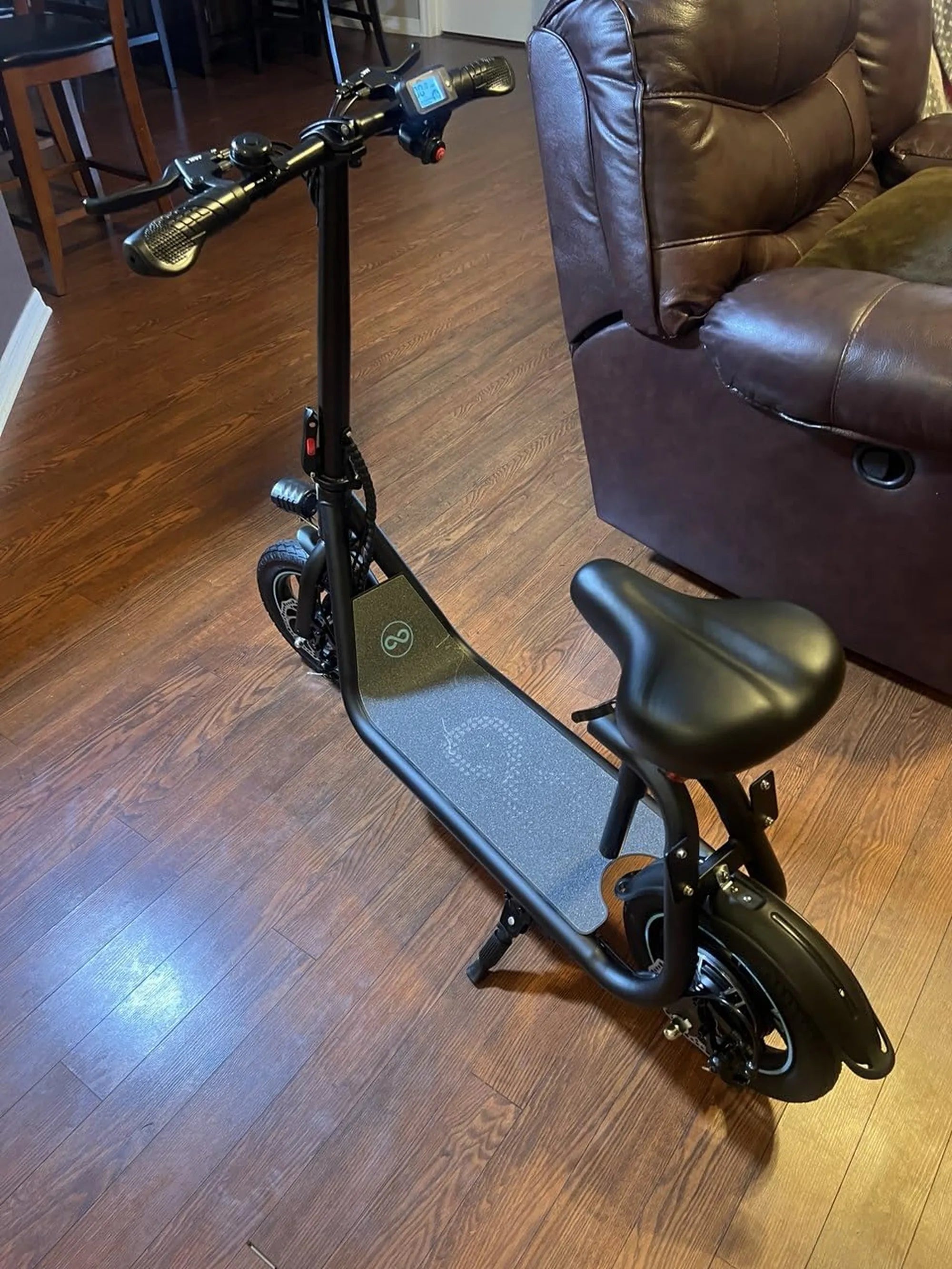
Electric scooters have become a popular mode of transportation, offering convenience and eco-friendliness. But one question that often arises is: how many watts to charge electric scooter? Understanding the power requirements is crucial for efficient charging and maintaining battery health. In this guide, we’ll break down everything you need to know about wattage, charging times, and best practices to keep your scooter running smoothly.
Understanding Wattage and Electric Scooter Charging
Wattage is a measure of electrical power, calculated by multiplying voltage (V) by current (A). For electric scooters, the charging wattage depends on the battery capacity and the charger’s output. Most electric scooters use lithium-ion batteries with capacities ranging from 250Wh to 1000Wh. A standard charger for these scooters typically outputs between 50W and 300W.
Factors Affecting Charging Wattage
Several factors influence how many watts are required to charge an electric scooter:
- Battery Capacity: Larger batteries require more wattage to charge fully.
- Charger Efficiency: Higher-quality chargers deliver power more efficiently.
- Charging Speed: Fast chargers use higher wattage but may impact battery longevity.
- Voltage and Current: The charger’s voltage and current ratings determine the total wattage.
Calculating Charging Time
To estimate charging time, divide the battery’s watt-hour (Wh) rating by the charger’s wattage. For example, a 500Wh battery charged with a 100W charger will take approximately 5 hours to fully charge. However, charging isn’t always linear, and efficiency losses can extend this time slightly.
Optimal Charging Practices
To maximize battery life and efficiency, follow these tips:
- Avoid using excessively high-wattage chargers unless recommended by the manufacturer.
- Charge the scooter in a cool, dry place to prevent overheating.
- Unplug the charger once the battery is fully charged to avoid overcharging.
Common Charging Wattages for Electric Scooters
Here’s a general breakdown of wattage requirements based on scooter types:
- Entry-Level Scooters: 50W–100W chargers
- Mid-Range Scooters: 100W–200W chargers
- High-Performance Scooters: 200W–300W chargers
Impact of Charging Wattage on Battery Health
Using a charger with significantly higher wattage than recommended can degrade the battery over time. Conversely, a low-wattage charger may take too long to charge, which can also be inconvenient. Always refer to the manufacturer’s guidelines for the best results.
FAQs About Charging Electric Scooters
Q: Can I use a higher-wattage charger to speed up charging?
A: It’s not recommended unless the manufacturer approves it, as it may harm the battery.
Q: How do I know my scooter’s charging wattage?
A: Check the charger’s label or the scooter’s manual for specifications.
Q: Does charging wattage affect electricity costs?
A: Yes, higher-wattage chargers consume more power, but the difference is usually minimal for occasional charging.
Now that you know how many watts to charge electric scooter, you can make informed decisions to keep your ride powered up efficiently. Whether you’re a daily commuter or a weekend rider, understanding these basics ensures your scooter stays ready for the road ahead.
Best Balance Scooter in India: Top Picks for Smooth and Safe Rides
Do Electric Scooters Stop Charging When Full? The Truth Revealed