



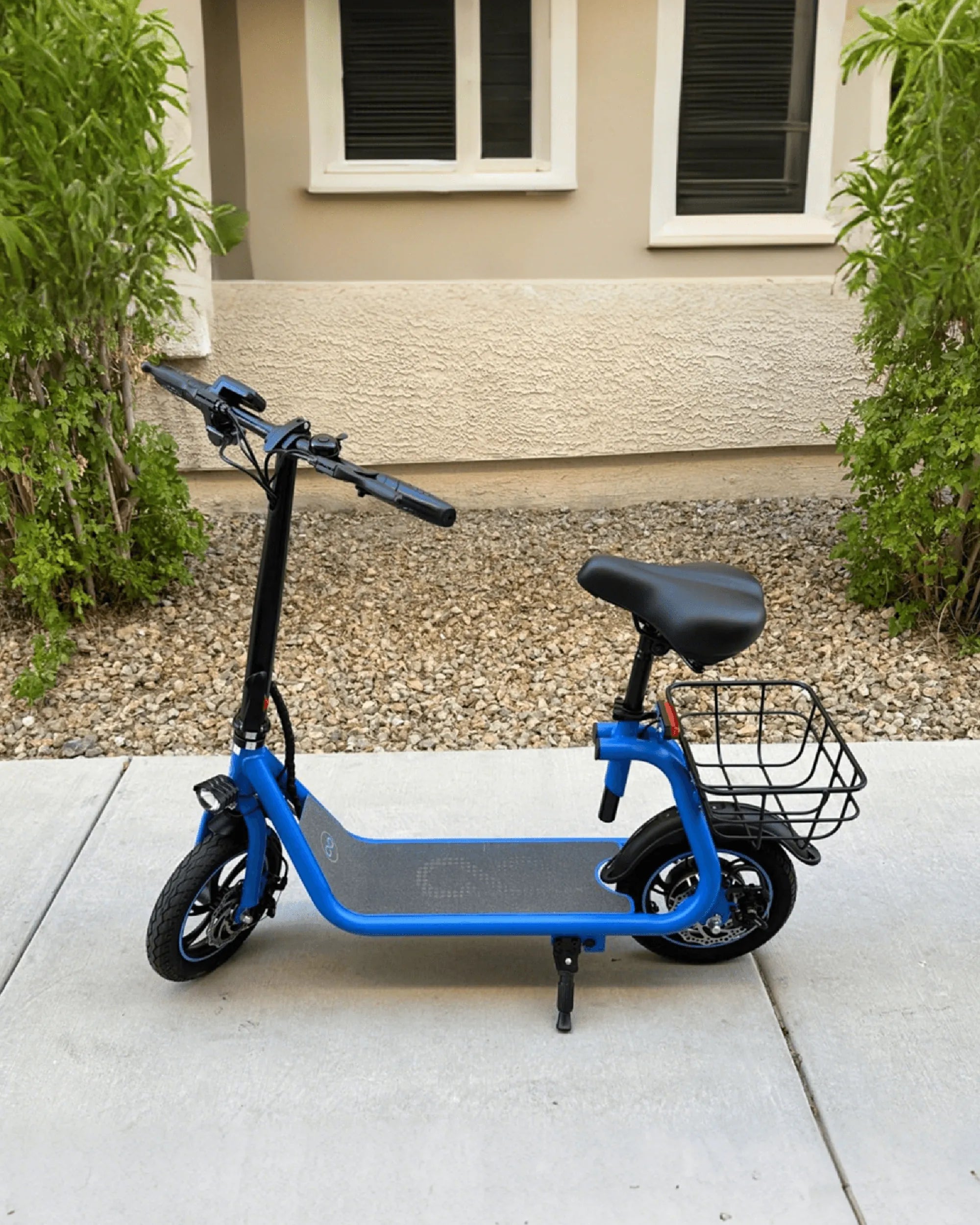
If you're considering purchasing a mobility scooter, one of the most important factors to consider is its weight. Whether you need a lightweight model for easy transport or a sturdier option for stability, understanding how much a mobility scooter weighs can help you make the right choice. Let's dive into the details.
Factors That Affect Mobility Scooter Weight
The weight of a mobility scooter can vary significantly based on several key factors:
- Size and Class: Compact travel scooters are lighter, while full-sized or heavy-duty models weigh more.
- Battery Type: Sealed lead-acid (SLA) batteries add more weight than lithium-ion alternatives.
- Frame Material: Aluminum and carbon fiber frames are lighter than steel.
- Additional Features: Extra storage, suspension systems, and larger seats can increase weight.
Average Weight Ranges for Different Scooter Types
Mobility scooters generally fall into three weight categories:
| Type | Weight Range |
|---|---|
| Travel/Portable Scooters | 30-80 lbs |
| Mid-Size Scooters | 80-150 lbs |
| Heavy-Duty Scooters | 150-400+ lbs |
Why Weight Matters When Choosing a Scooter
Weight impacts portability, stability, and even battery life. Lighter scooters are easier to transport but may lack stability on rough terrain. Heavier models offer better durability but may require a vehicle lift for transport.
Tips for Handling a Heavy Mobility Scooter
If you opt for a heavier scooter, consider these tips:
- Use a ramp or lift for vehicle transport.
- Check weight limits for home elevators or ramps.
- Look for models with disassembly options for easier handling.
Choosing the right mobility scooter weight can make all the difference in your daily comfort and independence. Whether you prioritize portability or durability, understanding these factors ensures a smarter purchase.
Mobility Scooter Mobile Phone Holder: The Ultimate Guide for Safe and Convenient Travel
Power Band Dirt Bike: Mastering the Ultimate Off-Road Experience