

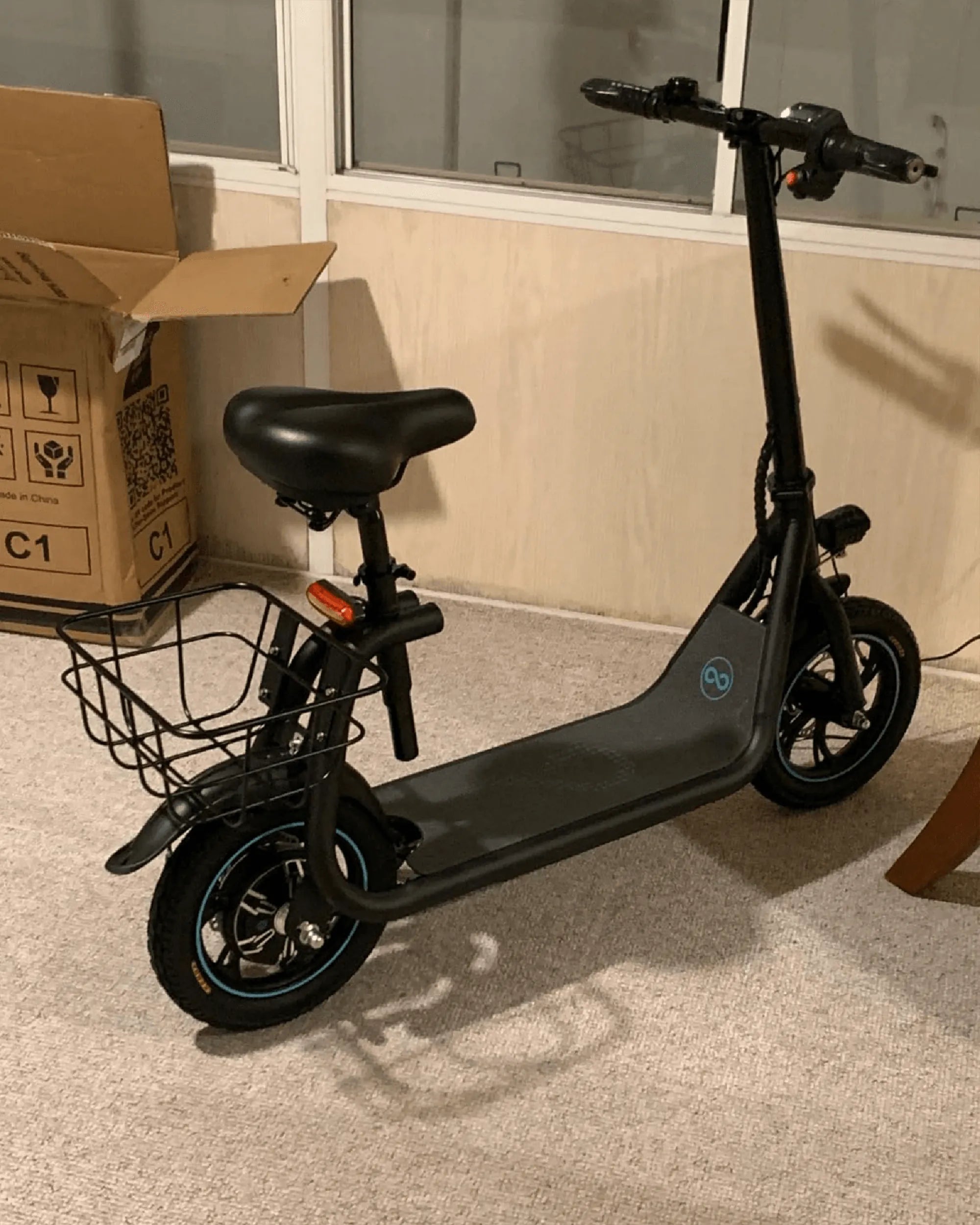
Electric bikes have surged in popularity as an eco-friendly and cost-effective alternative to traditional transportation. But one question lingers in the minds of many riders: how much does an electric bike cost to charge? The answer isn’t as straightforward as you might think, but we’re here to break it down for you.
Understanding the Basics of Electric Bike Charging
Before diving into costs, it’s essential to understand how electric bike batteries work. Most e-bikes use lithium-ion batteries, which are efficient and long-lasting. The battery capacity, measured in watt-hours (Wh), determines how much energy it can store and how far you can ride on a single charge.
The cost to charge an electric bike depends on several factors, including:
- Battery capacity (measured in Wh)
- Local electricity rates (cost per kWh)
- Charging efficiency (some energy is lost during charging)
- Battery age and condition (older batteries may require more frequent charging)
Calculating the Cost to Charge an Electric Bike
To estimate the cost, you’ll need to know your battery’s watt-hour rating and your local electricity rate. Here’s a simple formula:
Cost to Charge = (Battery Capacity in Wh / 1,000) × Electricity Rate per kWh
For example, if your e-bike has a 500Wh battery and your electricity rate is $0.15 per kWh, the calculation would be:
(500 / 1,000) × $0.15 = $0.075 per full charge
That’s less than 10 cents for a full charge! Compared to the cost of fueling a car or even public transportation, e-bikes are incredibly economical.
Factors That Influence Charging Costs
While the above calculation provides a baseline, real-world costs can vary. Here are some key factors that can affect how much you pay to charge your e-bike:
1. Battery Capacity
Larger batteries store more energy but also cost more to charge. A 750Wh battery will cost roughly 50% more to charge than a 500Wh battery under the same electricity rate.
2. Electricity Rates
Electricity prices vary by region and even by time of day. Some areas offer off-peak rates, which can significantly reduce charging costs if you plug in during those hours.
3. Charging Frequency
How often you charge your e-bike also plays a role. If you ride daily and recharge every night, your monthly costs will be higher than someone who charges once a week.
4. Charger Efficiency
Not all chargers are created equal. Higher-quality chargers may be more efficient, reducing energy waste and lowering costs over time.
Comparing E-Bike Charging Costs to Other Transportation
To put things in perspective, let’s compare the cost of charging an e-bike to other common transportation methods:
- Gasoline-powered vehicles: Even a small car can cost $5–$10 to fill up, while an e-bike costs pennies.
- Public transportation: A monthly transit pass can easily exceed $50–$100, whereas e-bike charging might cost just a few dollars.
- Ride-sharing services: A single trip can cost more than a year’s worth of e-bike charging.
The savings add up quickly, making e-bikes a smart choice for budget-conscious commuters.
Tips to Reduce Your E-Bike Charging Costs
Want to save even more? Here are some practical tips to minimize your charging expenses:
- Charge during off-peak hours to take advantage of lower electricity rates.
- Maintain your battery by avoiding extreme temperatures and not overcharging.
- Use a smart charger to optimize energy efficiency.
- Ride efficiently by using pedal-assist modes to extend battery life.
Real-World Examples of E-Bike Charging Costs
Let’s look at a few scenarios to illustrate how charging costs can vary:
Scenario 1: Daily Commuter
A rider with a 400Wh battery charges daily at $0.12 per kWh:
(400 / 1,000) × $0.12 = $0.048 per charge × 30 days = $1.44 per month
Scenario 2: Weekend Explorer
A rider with a 600Wh battery charges twice a week at $0.18 per kWh:
(600 / 1,000) × $0.18 = $0.108 per charge × 8 charges = $0.86 per month
As you can see, even with higher electricity rates, e-bike charging remains incredibly affordable.
Myths About E-Bike Charging Costs
There are several misconceptions about the cost of charging e-bikes. Let’s debunk a few:
- Myth: Charging an e-bike is as expensive as charging an electric car. Reality: E-bike batteries are much smaller, making charging costs negligible in comparison.
- Myth: Solar charging is the only way to save money. Reality: While solar is great, standard grid electricity is already very cheap for e-bikes.
- Myth: Frequent charging ruins the battery. Reality: Modern lithium-ion batteries are designed for regular charging without significant degradation.
The Environmental Impact of E-Bike Charging
Beyond cost savings, e-bikes are a win for the planet. Charging an e-bike produces a fraction of the carbon emissions compared to driving a car. Even if your electricity comes from non-renewable sources, the energy required is minimal.
For those with access to renewable energy, the environmental benefits are even greater. Charging your e-bike with solar or wind power makes your rides virtually carbon-neutral.
Final Thoughts on E-Bike Charging Costs
So, how much does an electric bike cost to charge? As we’ve seen, the answer is surprisingly little—often just a few cents per charge. With the right habits, you can keep costs even lower while enjoying the many benefits of e-bike ownership.
Whether you’re a daily commuter or a weekend adventurer, the affordability of e-bike charging makes it a no-brainer. Ditch the gas pump, skip the bus fare, and embrace the freedom of riding on pennies a day.
Redding Mountain Biking: Trails, Tips, and Thrills for Every Rider
Foot Rest for Electric Bike: Enhance Comfort and Safety on Your Ride