



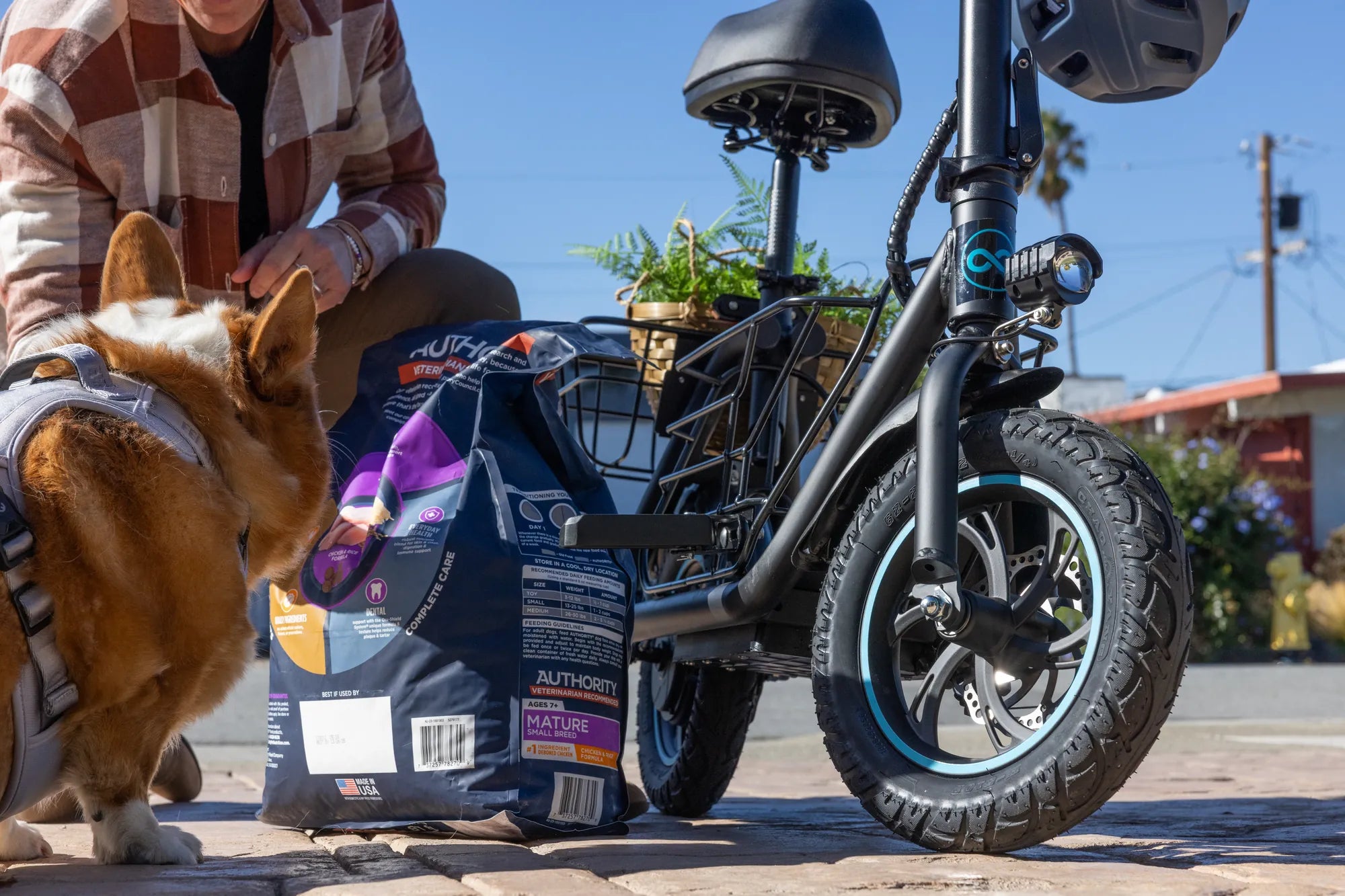
Electric bikes (ebikes) have revolutionized urban commuting and recreational cycling, offering an eco-friendly and cost-effective alternative to traditional transportation. But one question lingers in the minds of many riders: how much does it cost to charge an ebike? The answer isn’t as straightforward as you might think, as several factors come into play. Let’s break it down.
Understanding Ebike Battery Basics
Before diving into costs, it’s essential to understand the basics of ebike batteries. Most modern ebikes use lithium-ion batteries, which are efficient, lightweight, and long-lasting. The battery’s capacity, measured in watt-hours (Wh), determines how much energy it can store and, consequently, how much electricity it consumes during charging.
Calculating the Cost to Charge an Ebike
The cost to charge an ebike depends on three primary factors:
- Battery Capacity: A higher-capacity battery (e.g., 500Wh) will cost more to charge than a smaller one (e.g., 250Wh).
- Electricity Rates: Your local electricity price per kilowatt-hour (kWh) directly impacts the cost.
- Charging Efficiency: No charger is 100% efficient, so some energy is lost as heat during the process.
Here’s a simple formula to estimate the cost:
Cost = (Battery Capacity in Wh / 1000) × Electricity Rate per kWhReal-World Examples
Let’s consider a few scenarios:
- A 250Wh battery with an electricity rate of $0.15 per kWh:
Cost = (250 / 1000) × 0.15 = $0.0375 per charge. - A 500Wh battery with an electricity rate of $0.20 per kWh:
Cost = (500 / 1000) × 0.20 = $0.10 per charge.
As you can see, even with larger batteries, the cost remains remarkably low compared to fueling a car or using public transportation.
Factors That Influence Charging Costs
While the above calculations provide a baseline, other variables can affect the total cost:
- Battery Age and Health: Older batteries may require more frequent charging, increasing costs over time.
- Charging Habits: Partial charges vs. full charges can impact efficiency.
- Temperature: Extreme cold or heat can reduce battery efficiency, leading to higher energy use.
Tips to Reduce Charging Costs
Want to save even more? Follow these tips:
- Charge During Off-Peak Hours: Some utility companies offer lower rates at night.
- Use a Smart Charger: These devices optimize charging to reduce energy waste.
- Maintain Your Battery: Proper storage and care can prolong battery life and efficiency.
Comparing Ebike Charging Costs to Other Transportation
To put things into perspective, let’s compare ebike charging costs to other common transportation methods:
| Transportation Method | Cost per Mile |
|---|---|
| Ebike (500Wh battery) | ~$0.02 |
| Gasoline Car (25 MPG) | ~$0.12 |
| Public Transit | ~$0.20 |
The savings are undeniable, making ebikes a wallet-friendly choice for daily commuting.
Myths About Ebike Charging Costs
Despite the low costs, some misconceptions persist:
- "Charging an ebike is as expensive as running a car." False—the numbers above prove otherwise.
- "Leaving the charger plugged in wastes a lot of energy." Modern chargers have minimal standby power consumption.
Now that you know the truth, you can confidently enjoy your ebike without worrying about hidden costs.
Ready to embrace the ebike lifestyle? With charging costs as low as a few cents per ride, there’s never been a better time to ditch gas guzzlers and join the electric revolution. Whether you’re commuting to work or exploring scenic trails, your wallet—and the planet—will thank you.
Modern Scooter: The Future of Urban Mobility and Sustainable Transportation
Modern Scooter: The Future of Urban Mobility and Sustainable Transportation