


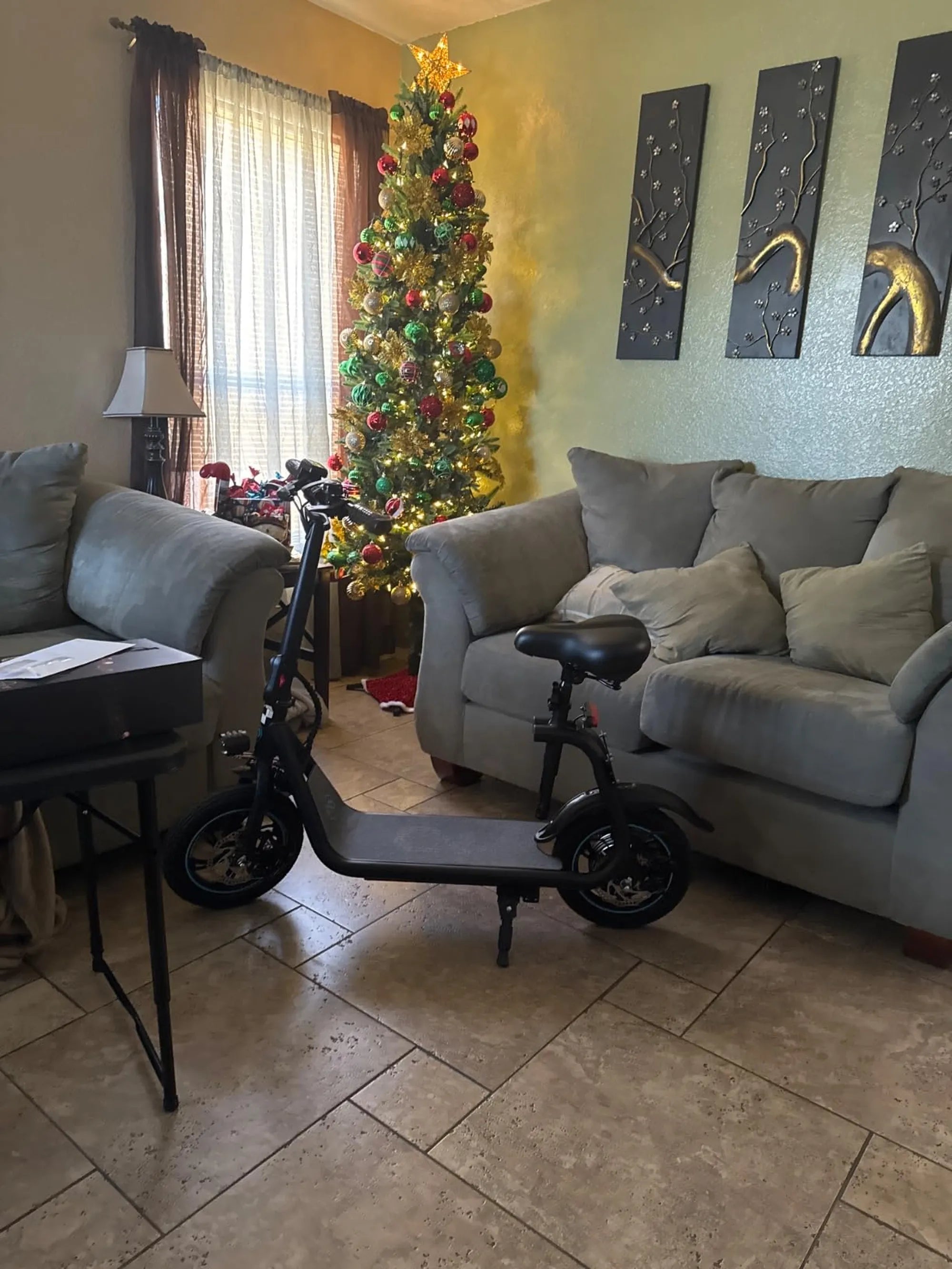
Electric scooters have surged in popularity as a convenient, eco-friendly mode of urban transportation. But have you ever wondered what goes into the making of one? The cost of producing an electric scooter isn't just about slapping together a battery and wheels—it's a complex interplay of materials, labor, research, and logistics. Whether you're a curious consumer or an aspiring manufacturer, understanding these costs can shed light on why some scooters are priced higher than others.
Key Components and Their Costs
The foundation of any electric scooter lies in its components. Here's a breakdown of the major parts and their approximate costs:
- Battery: The most expensive component, accounting for 25-40% of the total cost. Lithium-ion batteries range from $100 to $300 depending on capacity and quality.
- Motor: Hub motors typically cost between $50 and $150, with higher wattage motors commanding premium prices.
- Frame: Lightweight aluminum or steel frames can cost $30 to $100, depending on durability and design.
- Wheels and Tires: Pneumatic or solid rubber tires range from $20 to $60 per set.
- Electronics: Controllers, wiring, and displays add another $50 to $150.
Labor and Assembly Costs
Labor is another significant factor, especially if production occurs in regions with higher wages. On average, assembly costs per unit range from $20 to $50, depending on automation levels and workforce location. Countries with lower labor costs can reduce this expense, but shipping and import duties may offset savings.
Research and Development (R&D)
Innovation doesn't come cheap. R&D expenses for designing efficient motors, longer-lasting batteries, and smart features can add $10 to $50 per unit, amortized over large production runs. Startups may face higher initial costs due to prototyping and testing.
Logistics and Shipping
Transporting raw materials and finished scooters adds to the final cost. Shipping a single scooter from a factory in Asia to North America or Europe can cost $30 to $100, depending on volume and transportation mode.
Economies of Scale
Mass production dramatically reduces per-unit costs. A manufacturer producing 10,000 scooters can negotiate better prices for materials and components, lowering the total cost by 20-30% compared to small-scale production.
Regulatory Compliance and Certification
Meeting safety and environmental standards (e.g., UL, CE, or RoHS certifications) can add $5 to $20 per scooter. These costs ensure the product is market-ready but can be a hurdle for smaller manufacturers.
Hidden Costs: Warranty and Returns
Post-sale support, including warranties and potential returns, can add another $10 to $30 per unit. High-quality components reduce long-term costs, but cutting corners often leads to higher售后 expenses.
Total Estimated Cost
Combining all these factors, the total cost to manufacture a mid-range electric scooter ranges from $200 to $600 per unit. Premium models with advanced features can exceed $800, while budget options may dip below $200 by compromising on quality.
So, the next time you see an electric scooter priced at $1,000 or more, remember—the retail price isn't just about profit margins. It reflects the intricate web of design, materials, and logistics that bring these sleek machines to life. Whether you're buying or building, knowing these costs empowers you to make smarter decisions in the fast-evolving world of electric mobility.
Comparing 2 and 4 Wheel Electric Scooters Weight Range: Which One Suits You Best?
Balance Speed Scooter: The Ultimate Guide to Efficient and Safe Riding