


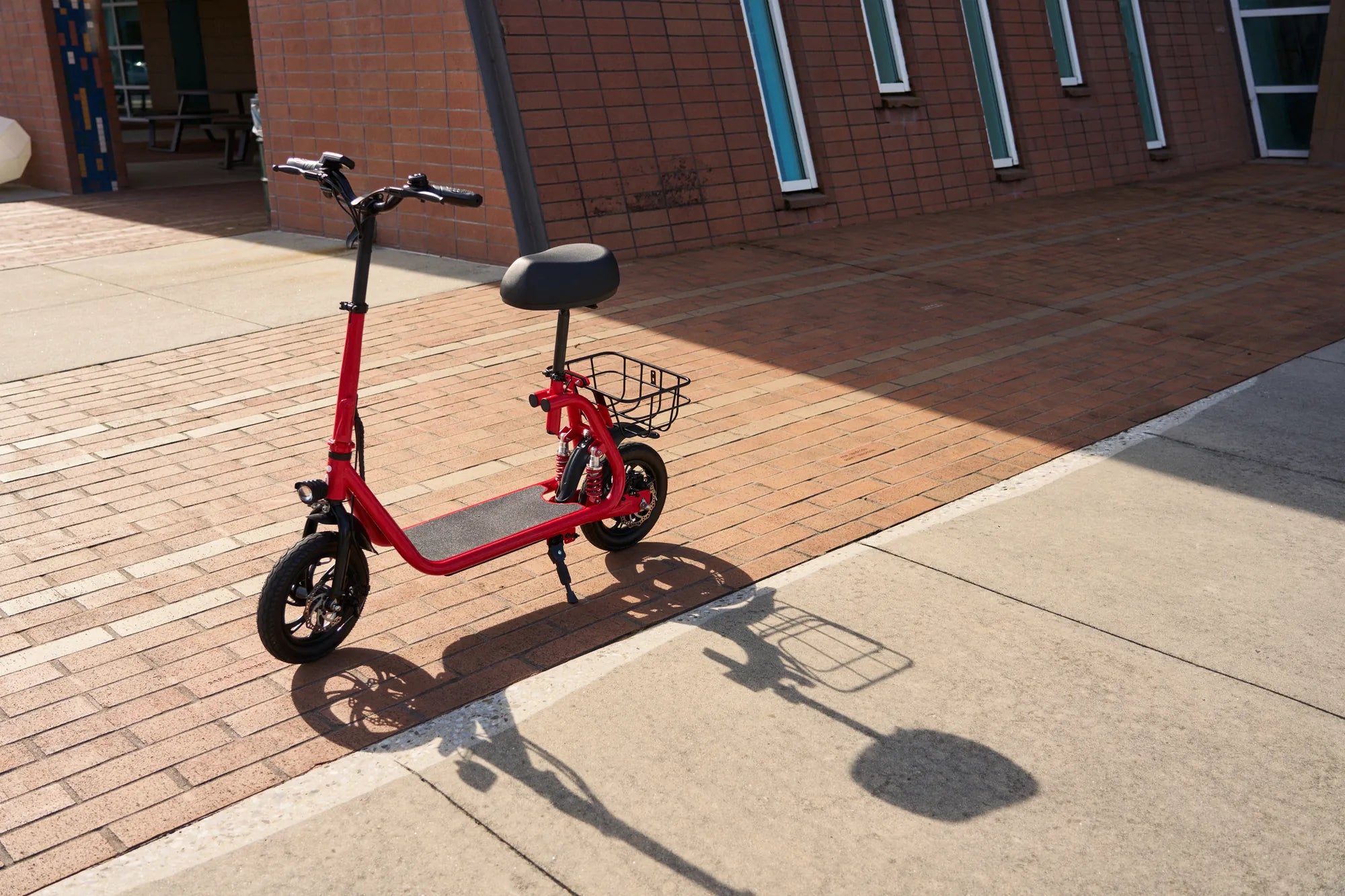
Electric scooters have surged in popularity as a convenient and sustainable way to navigate urban environments. But one question lingers in the minds of riders and potential buyers alike: how much electric scooter consume electricity? Understanding energy consumption is crucial for budgeting, sustainability, and optimizing performance. Let’s dive deep into the numbers and uncover what really powers your ride.
Factors Affecting Electric Scooter Energy Consumption
Several variables influence how much electricity an electric scooter uses. Here’s a breakdown of the key factors:
- Battery Capacity: Measured in watt-hours (Wh), this determines how much energy the scooter can store and use.
- Motor Power: Higher wattage motors consume more electricity but provide better performance.
- Rider Weight: Heavier riders require more energy to accelerate and maintain speed.
- Terrain: Hills and rough surfaces increase energy consumption compared to flat, smooth roads.
- Speed: Faster speeds drain the battery quicker due to increased air resistance.
- Riding Style: Frequent acceleration and braking reduce efficiency.
Calculating Electric Scooter Electricity Consumption
To estimate how much electricity your scooter consumes, use this simple formula:
Energy Consumption (Wh) = Battery Voltage (V) × Battery Capacity (Ah)
For example, a scooter with a 36V battery and 10Ah capacity consumes 360Wh per full charge. If your electricity rate is $0.15 per kWh, a full charge costs just $0.054—making scooters incredibly economical.
Real-World Energy Usage Examples
On average, electric scooters consume between 5 to 25 Wh per kilometer, depending on the factors mentioned earlier. Here’s a comparison of different scenarios:
| Scooter Type | Consumption (Wh/km) | Range per Charge |
|---|---|---|
| Lightweight Commuter | 5-10 | 30-50 km |
| Mid-Range Performance | 10-15 | 20-40 km |
| High-Powered Scooter | 15-25 | 15-30 km |
Tips to Reduce Electricity Consumption
Want to stretch your scooter’s range and save on electricity? Follow these tips:
- Maintain Optimal Tire Pressure: Underinflated tires increase rolling resistance.
- Ride at Moderate Speeds: Avoid unnecessary high-speed bursts.
- Use Eco Mode: Many scooters offer energy-saving riding modes.
- Avoid Heavy Loads: Carry only what you need to reduce weight.
- Plan Efficient Routes: Choose flat, smooth paths whenever possible.
Environmental Impact of Electric Scooter Energy Use
Compared to cars or motorcycles, electric scooters are far more energy-efficient. A typical car uses 10-20 times more energy per kilometer, making scooters a greener alternative. Charging a scooter with renewable energy sources like solar power further reduces your carbon footprint.
So, how much electric scooter consume electricity? The answer depends on your riding habits and scooter specifications, but one thing is clear: these sleek machines are a win for your wallet and the planet. Ready to ride smarter and greener? Your next eco-friendly adventure starts here!
Best Matte E-Scooter: The Ultimate Guide to Sleek and Stylish Rides
What Electric Scooters Are in Salt Lake City: A Complete Guide