



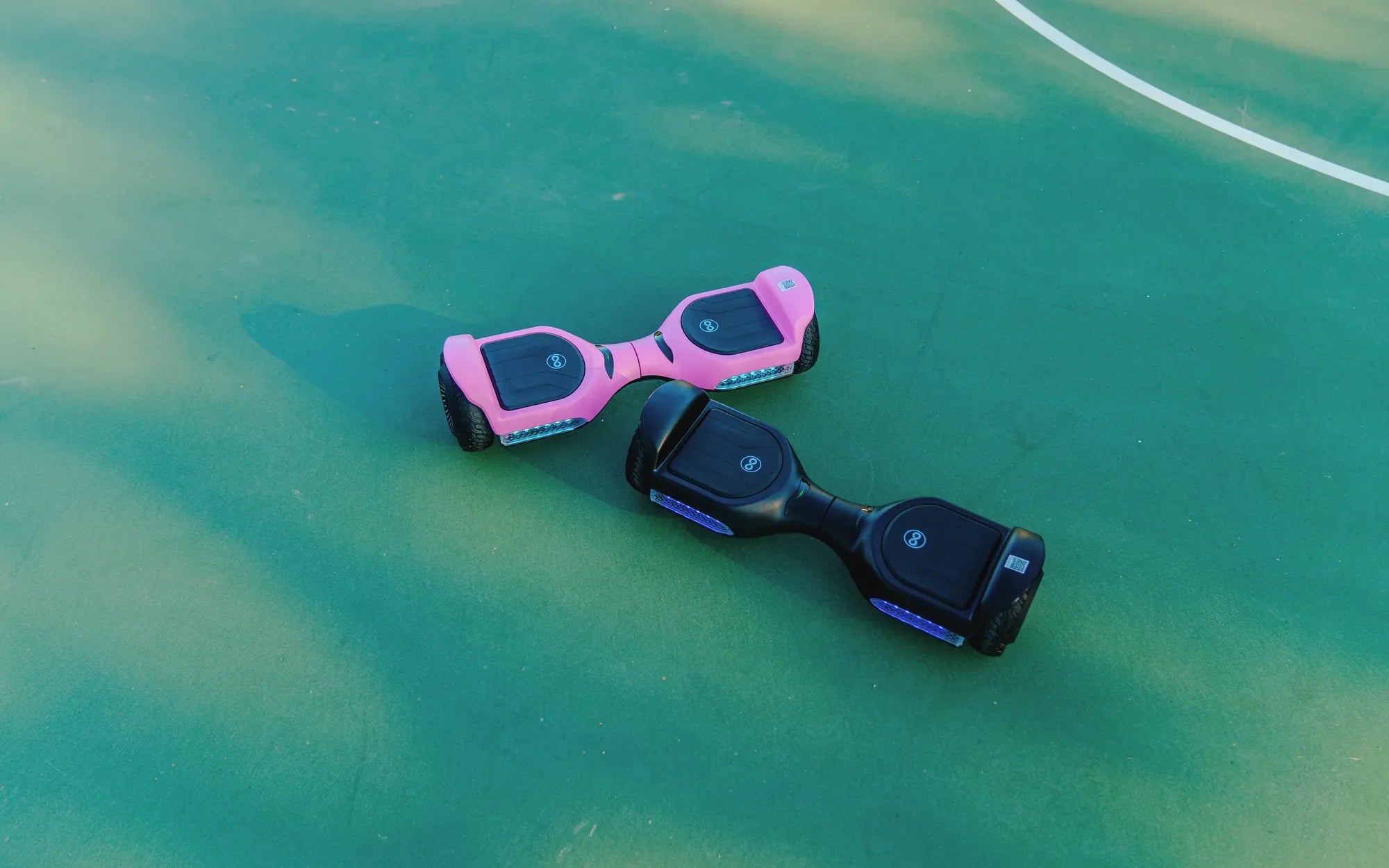
Understanding the Modern Hoverboard Market
When asking "how much for a hoverboard," you're not pricing a science-fiction levitating board but a sophisticated self-balancing electric scooter. Today's market offers staggering variety, with prices ranging from impulse-buy toys to serious commuter vehicles. This guide will demystify hoverboard costs, breaking down exactly what you pay for at each price tier and helping you find the right balance of safety, performance, and value for your needs.
The term "hoverboard" stuck after the 2015 craze, even though these devices roll on wheels. Understanding current pricing requires moving beyond that initial fad. Prices now reflect genuine engineering, with premium models featuring advanced gyroscopes, robust batteries, and durable construction suitable for daily transportation.
This complete pricing guide examines the core components that determine cost, analyzes what you can expect in 2024's budget, mid-range, and premium segments, and calculates the true long-term cost of ownership. We'll provide actionable shopping strategies to ensure your investment delivers miles of safe, reliable fun.
The Core Factors That Determine Hoverboard Price
Hoverboard pricing isn't arbitrary. Every dollar difference typically corresponds to a tangible upgrade in components, safety, or features. By understanding these factors, you can decode any product listing and make an informed decision about where to allocate your budget.
Motor Power & Performance
Motor configuration is a primary cost driver. Basic models use single 200W motors, while performance-oriented boards feature dual motors, often ranging from 300W to 700W per wheel. Higher wattage translates directly to better torque for climbing hills, quicker acceleration, and a higher top speed—typically between 6 mph for basic models and 12+ mph for premium ones.
Wheel size is equally critical. Smaller 6.5-inch wheels suit smooth indoor surfaces and keep costs low. The industry standard for reliable performance is 8-inch wheels, offering a balance of stability and agility. For off-road capability or rough urban terrain, 10-inch all-terrain wheels are essential but add significant cost due to their robust construction and often paired with air-filled tires.
Battery Quality & Range
The battery pack represents a substantial portion of a hoverboard's cost and is the most critical safety component. Capacity, measured in watt-hours (Wh), dictates range. A basic 36V 4.4Ah battery (≈158 Wh) might provide 6-8 miles, while a premium 36V 6.5Ah battery (≈234 Wh) can deliver 12-15 miles per charge.
Beyond capacity, cell quality is paramount. Reputable brands use high-grade, name-brand lithium-ion cells with integrated Battery Management Systems (BMS) for protection against overcharge, short-circuit, and overheating. This is where certifications matter most. A UL 2272 certification for the entire battery system is non-negotiable for safety and is a key cost factor, as rigorous testing adds to manufacturing expenses.
Build Quality & Safety Features
Construction materials separate toy-grade from vehicle-grade devices. Low-cost models use thin, brittle plastics for the deck and shell. Mid-range and premium boards incorporate reinforced plastics, aluminum alloy frames, and rubberized footpad coatings for grip and durability. This robust construction better withstands impacts and daily wear.
Safety certifications are a mandatory investment. UL 2272 (fire and electrical safety) is the absolute baseline for a safe product. For models classified as electric scooters, UL 2849 certification is the gold standard, encompassing the entire electrical system. Brands that prioritize safety, like Gyroor, build these certified systems into their core design, which is reflected in a justified mid-range price point for unparalleled peace of mind.
Additional Features & Tech
Convenience and connectivity features incrementally increase price. Bluetooth speakers and companion apps for speed mode adjustment or battery monitoring are common mid-tier additions. Cosmetic features like customizable RGB LED wheel lights are popular but don't significantly impact core performance.
One feature that adds substantial real-world value is water resistance. An IPX4 rating protects against light splashes, but an IPX5 rating—like that found on several Gyroor models—means the board can withstand water jets from any direction. This allows for riding on damp roads or through puddles, greatly enhancing practicality and durability, which justifies a higher price for commuters.
Hoverboard Price Tiers: What to Expect in 2024
The market cleanly segments into three distinct tiers, each with corresponding expectations for quality, performance, and safety. The following table provides a clear, at-a-glance comparison of these key segments.
| Feature | Budget Tier ($100 - $250) | Mid-Range Tier ($250 - $500) | Premium Tier ($500 - $900+) |
|---|---|---|---|
| Primary Use | Light, infrequent recreational use | Regular commuting & reliable performance | Heavy use, off-road, enthusiast |
| Typical Wheel Size | 6.5" - 7.5" solid | 8" - 10" solid or air-filled | 10"+ all-terrain, air-filled |
| Motor Power | Single or dual ≤250W | Dual 300W - 400W | Dual 400W - 700W+ |
| Battery & Range | Generic cells, ≤10 miles | UL-certified, 10-15 miles | High-capacity UL-certified, 15-20+ miles |
| Safety Certs | Often missing UL 2272 | UL 2272 standard | UL 2272, sometimes UL 2849 |
| Build Quality | Basic plastic | Reinforced plastic/alloy blend | Premium alloys, advanced suspension |
| Warranty | 90 days or less | 1 year comprehensive | 1+ years, premium support |
Budget Tier ($100 - $250): The "Toy" Grade
This tier is dominated by generic brands and closeout models. For around $100 to $250, you typically get a device with smaller wheels, basic motors, and a limited range of 6-10 miles. The most significant compromise is often in battery safety; many lack proper UL 2272 certification, posing a fire risk.
Build quality is minimal, using the thinnest plastics to hit a price point. These are suitable only for very light, supervised use by older children on perfectly smooth, private surfaces. Performance is sluggish, with poor hill-climbing ability and lower weight limits. Warranties are notoriously short (30-90 days) and support is virtually non-existent.
Mid-Range Tier ($250 - $500): The Reliable Commuter & Performer
This is the value sweet spot for most teens and adults. For $250 to $500, you secure a reliable, safe, and capable device. Expect 8-inch or 10-inch wheels, dual motors of 300W or more, and a real-world range of 10-15 miles from a UL 2272 certified battery pack.
Build quality improves significantly with reinforced frames and better footpads. This tier is where reputable brands like Gyroor compete, offering models that balance performance with essential safety features. A key value-add in this tier is a robust warranty. For example, Gyroor provides a comprehensive 1-year warranty with accessible U.S.-based customer support, protecting your investment long after purchase.
Premium Tier ($500 - $900+): The Feature-Rich & Off-Road Specialist
Crossing the $500 threshold enters the realm of high-performance and specialty hoverboards. These models boast all-terrain, air-filled tires, extreme ranges of 18+ miles, and powerful dual motors exceeding 500W for tackling steep inclines and rough trails.
Construction uses premium materials like aircraft-grade aluminum, and some feature advanced suspension systems for a smoother ride. This tier caters to enthusiasts, heavy daily commuters, and riders seeking off-road capability. The price reflects not only top-tier components but also often includes superior after-sales service and longer warranty terms.
Beyond the Sticker Price: The True Cost of Ownership
The initial purchase is just part of the financial equation. Smart buyers consider long-term ownership costs, which can vary dramatically between a cheap model and a quality one. Factoring in these expenses reveals the genuine value proposition of investing in a reliable brand.
Warranty and Customer Support
A warranty is a direct indicator of a manufacturer's confidence in their product. Budget models with 90-day warranties essentially become disposable after failure. A comprehensive 1-year warranty, like the industry-standard offering from Gyroor, covers critical components like the battery, motor, and control board, potentially saving you hundreds in repair costs.
Equally important is the quality of support. Having access to knowledgeable, responsive customer service for troubleshooting or warranty claims is a significant, often overlooked value. This support network prevents the board from becoming an expensive paperweight at the first sign of trouble.
Replacement Parts & Accessories
Even well-built hoverboards require maintenance and accessories. Common replacement parts include tires (especially for air-filled models), internal fuses, and charging ports. For a generic board, finding compatible parts can be a frustrating scavenger hunt.
Brands with an established presence, trusted by over 100,000 riders like Gyroor, ensure genuine replacement parts are available. Common accessories also add to the total cost: a quality carrying bag ($30-$60), a faster secondary charger ($40-$80), or protective armor kits ($25-$50) should be part of your budget planning.
Safety as a Non-Negotiable "Cost"
Choosing the cheapest option can carry a devastating hidden "cost" in safety risk. Non-certified batteries are a leading cause of fire hazards in this product category. The investment in a UL 2272 certified model is, therefore, an essential insurance policy for your home and personal safety.
This safety cost extends to reliability. A board that malfunctions or shuts off mid-ride due to poor circuitry can cause a serious crash. Paying for proven engineering and robust construction is an investment in physical well-being, a cost that far outweighs any upfront savings from a questionable product.
Smart Shopping: How to Get the Best Value for Your Budget
With a clear understanding of price tiers and ownership costs, you can strategically shop to maximize value. The goal is to match a device's capabilities directly to your primary use case without overpaying for unnecessary features or compromising on critical safety.
Prioritize Your Needs (Commuter vs. Fun vs. Off-Road)
Define your primary use case first. For a daily 3-mile commute on pavement, prioritize a mid-range model with good water resistance (IPX5), a 10+ mile range, and reliable customer support for warranty claims. This is where a brand like Gyroor excels, offering commuter-ready features at a mid-range price.
For recreational family fun in a driveway or park, a standard 8-inch wheel model from the mid-range tier is ideal. If your vision involves trails, grass, or uneven terrain, your budget must accommodate the premium tier for its all-terrain tires, higher ground clearance, and superior suspension.
Where to Buy: Retailer Pros and Cons
Marketplaces like Amazon and Walmart offer vast selection and competitive prices, but vetting sellers and verifying certification documents is crucial. Beware of third-party sellers offering prices that seem too good to be true.
Specialty sports or electronics stores allow for hands-on inspection but may have limited stock. Buying directly from the brand's official website (e.g., gyroorboard.com) often ensures you receive the latest model version, full manufacturer warranty coverage, and direct access to customer support, making it a highly reliable option.
Timing Your Purchase for the Best Deal
Major sales events are the best times to buy. Black Friday, Cyber Monday, Amazon Prime Day, and end-of-season summer sales often see significant discounts on last-year's models from reputable brands. This is an excellent strategy to acquire a higher-tier model at a mid-tier price.
Exercise caution with deep discounts on unknown brands, as they may be clearing out uncertified inventory. Signing up for brand newsletters can provide early access to sales and promotional offers directly from manufacturers.
Frequently Asked Questions (FAQ)
Is a $100 hoverboard safe to ride?
Generally, no. A $100 price point almost always means critical safety compromises, most notably the absence of a UL 2272 certified battery system. These devices use the lowest-cost components and lack rigorous quality control, presenting a significant fire and malfunction risk. The savings are not worth the potential danger.
How much does it cost to replace a hoverboard battery?
Replacement battery packs vary widely. A generic, non-certified pack can cost $50-$100, while a genuine, UL 2272 certified replacement from a reputable brand typically ranges from $100 to $200. This highlights the importance of buying a quality board initially, as a cheap battery replacement for a budget model still leaves you with an inferior and potentially unsafe power system.
Are more expensive hoverboards faster?
Not necessarily in terms of top speed, which is often software-limited for safety and legal reasons (often capped at 12-15 mph). The price increase buys superior acceleration, hill-climbing torque, stability at speed (via larger wheels), and much smoother power delivery. You're paying for performance quality, not just a higher number on a speedometer.
Do I need to pay for insurance or a license?
In most U.S. states, hoverboards (self-balancing scooters) are not classified as motor vehicles, so no license or registration is required. Insurance is not mandatory but could potentially be covered under a homeowner's or renter's personal property policy. Always check your local municipal regulations, as some cities have specific rules regarding where you can ride.
Why do brands like Gyroor cost more than Amazon no-name brands?
The price difference reflects investment in safety, quality, and service. Gyroor's cost includes UL-certified battery packs, IPX5 water-resistant designs, robust construction using better materials, rigorous testing, a comprehensive 1-year warranty, and U.S.-based customer support. A no-name brand cuts every possible corner on components and safety to hit a low price, offering no long-term reliability or accountability.
Investing in Ride, Safety, and Fun
Determining how much for a hoverboard is ultimately about aligning cost with your expectations for safety, durability, and performance. The market clearly shows that price is a direct reflection of component quality and engineering integrity. While budget options tempt with low entry points, they carry hidden long-term costs and unacceptable safety risks.
For the vast majority of riders—from commuting adults to responsible teens—the mid-range tier ($250-$500) delivers the optimal balance. In this segment, you secure essential UL safety certifications, reliable performance for daily use, and the backing of a legitimate warranty. This is where an investment in a trusted brand truly pays off, transforming a purchase from a disposable toy into a dependable personal transporter.
Your hoverboard should be a source of joy and convenience, not anxiety. By prioritizing certified safety, robust build quality, and reputable support, you ensure every dollar spent contributes to miles of secure, enjoyable riding. The right choice protects both your investment and your well-being.
Ready to explore models that prioritize safety and performance without compromise? Browse the full collection of UL-certified, feature-rich hoverboards and electric scooters at gyroorboard.com.
How Much Does a Hoverboard Cost? A Complete Pricing Guide
Hoverboard Sitting Attachment: The Ultimate Upgrade for Comfort and Convenience