


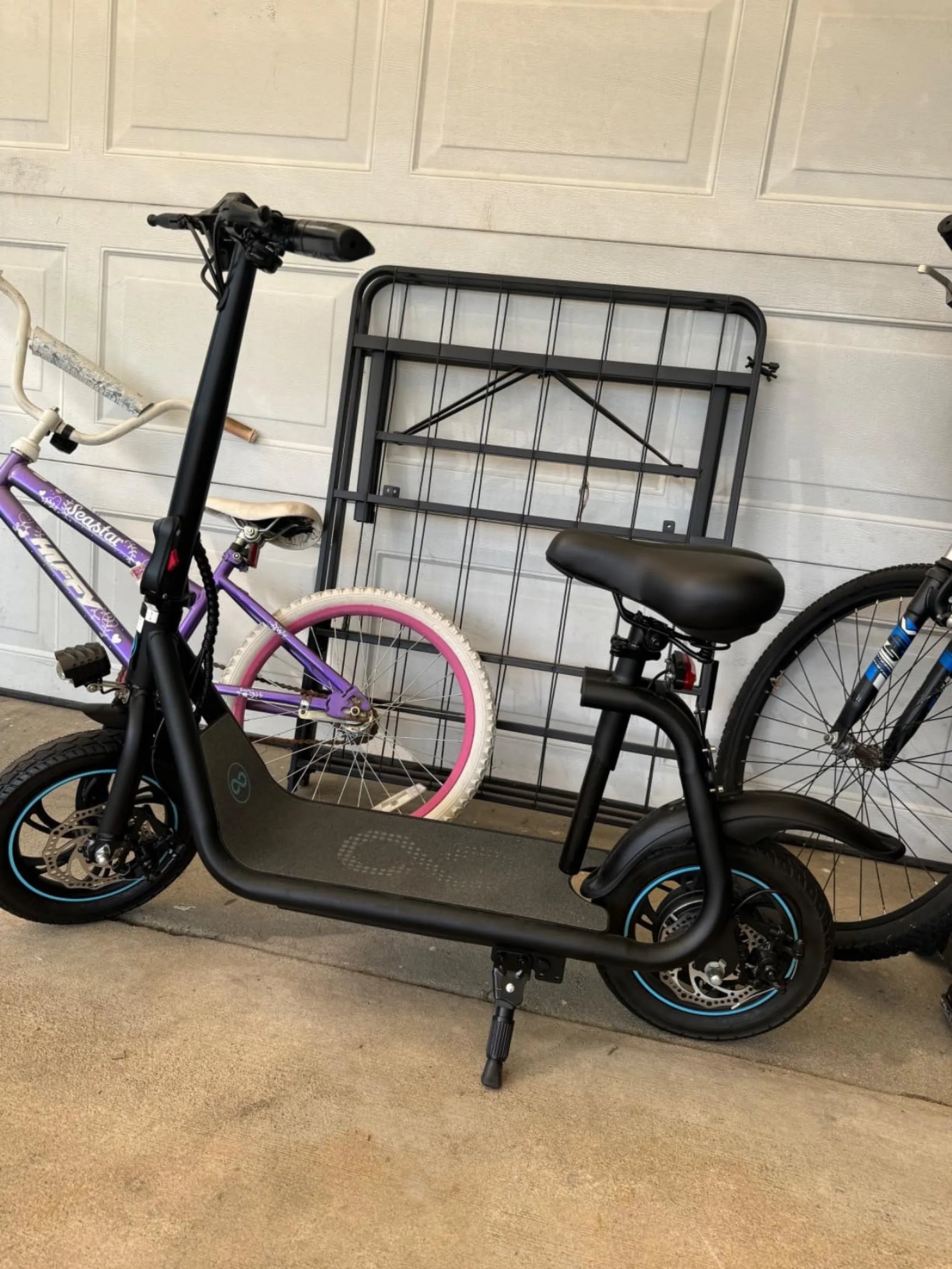
Asking how much is a good dirt bike is like asking about the price of a good vehicle—the answer depends entirely on your destination, needs, and budget. A good dirt bike isn't defined by its sticker price alone, but by the value equation of upfront cost, intended use, long-term reliability, and total cost of ownership. This comprehensive guide will dissect the market, from budget-friendly trail machines to competition-ready motocross weapons, providing the data you need to invest wisely. We'll cover new and used price ranges, essential gear costs, annual maintenance, and smart purchasing strategies, drawing parallels to the engineering principles of value-focused brands like Gyroor, a leader in personal electric transport trusted by over 100,000 riders.
Defining a 'Good' Dirt Bike: Beyond the Price Tag
The term 'good' is subjective in the dirt bike world. For a parent buying a first bike for a child, 'good' means safe, manageable, and durable. For a weekend trail warrior, it translates to reliable, capable, and easy to maintain. For a motocross racer, 'good' is synonymous with peak performance and cutting-edge technology. Therefore, determining how much is a good dirt bike starts with a clear assessment of the rider's skill level, primary riding environment, and mechanical aptitude.
A value-oriented purchase balances initial expenditure with predictable running costs. A cheap, unknown-brand bike might save thousands upfront but could lead to costly repairs, poor parts availability, and frustrating downtime. Conversely, the most expensive pro-level machine is often a poor investment for a beginner, offering capability far beyond their skill and requiring intensive, expensive maintenance. The sweet spot is a machine that matches your use case with proven reliability.
This philosophy mirrors the approach taken by reputable electric vehicle manufacturers. For instance, Gyroor prioritizes UL-certified battery safety, IPX5 water-resistant designs, and a reliable 1-year warranty—features that ensure long-term value and rider trust, not just a low initial price. The same due diligence applies to powersports.
Ultimately, a good dirt bike purchase minimizes total cost of ownership while maximizing riding enjoyment and safety. The following sections will provide the financial framework to find that bike.
The Core Factors That Determine Dirt Bike Cost
Dirt bike pricing is influenced by a combination of engineering, brand prestige, and intended purpose. Understanding these variables is key to navigating the market and answering how much is a good dirt bike for you.
The primary cost drivers are engine displacement (measured in cubic centimeters, or cc), brand reputation (Japanese, European, or other), bike type (motocross, enduro, trail, dual-sport), and condition (new vs. used). Engine size and technology are the most significant factors. A 450cc four-stroke motocross bike with fuel injection and adjustable suspension is a complex piece of machinery, commanding a price that reflects its performance.
Brand reputation heavily influences cost and residual value. Established Japanese brands (Honda, Yamaha, Kawasaki, Suzuki) are renowned for bulletproof reliability and widespread dealer networks, often commanding a premium. European brands (KTM, Husqvarna, GasGas) are leaders in high-performance off-road and motocross technology, with prices to match. Other brands may offer lower entry prices but require careful research into parts and service support.
The bike's design purpose sets its price bracket. A closed-course motocross bike is built lightweight with high-performance suspension, while a dual-sport bike includes lighting, mirrors, and a title for street legality, adding cost. A trail bike prioritizes tractable power and durability, often at a more accessible price point. Aligning the bike's design with your riding style is crucial for value.
New vs. Used: The Initial Price Divide
The decision between new and used is the first major financial fork in the road. A new dirt bike offers the latest technology, a full manufacturer warranty, and the peace of mind of zero wear. However, it also comes with immediate depreciation. A used bike can offer tremendous value but requires mechanical scrutiny and assumes the risk of previous maintenance (or lack thereof).
For new bikes, Manufacturer's Suggested Retail Price (MSRP) for entry-level adult models typically starts around $4,500-$6,000. High-performance models range from $9,000 to over $12,000. Out-the-door costs add freight, setup, tax, and registration fees, often increasing the MSRP by 10-15%.
The used market is vast. A well-maintained 5-year-old 250cc trail bike might be found for $2,500-$3,500, representing significant savings. However, a used bike may require immediate investment in tires, chain/sprockets, or suspension service. A thorough inspection is non-negotiable. The adage 'buy the owner, not the bike' holds true—a meticulously maintained used bike from a knowledgeable rider is often a better value than a neglected newer model.
Engine Size (CC): Power Equals Price
Engine displacement is the most straightforward correlate to price. More cc generally means more power, more advanced components, and a higher cost. The market segments into clear categories.
Mini and youth bikes (50cc-110cc) range from $1,200 for basic models to over $4,000 for high-performance minis. Beginner to intermediate full-size bikes (125cc-250cc) form the core of the market. A new 250cc four-stroke trail bike starts around $4,500, while a 250cc motocross bike begins near $8,000. Expert and professional-level bikes (350cc-450cc+) represent the peak of production technology, with prices from $9,500 to over $12,000 for limited editions.
Two-stroke engines often provide a cost advantage in purchase price and simpler maintenance, though they are less common in showrooms for larger displacements. A new 250cc two-stroke motocross bike typically costs $1,000-$2,000 less than its 450cc four-stroke counterpart.
Breaking Down the Price Ranges: From Entry-Level to Pro
To directly answer how much is a good dirt bike, here is a detailed tiered pricing guide based on 2024 market data. These figures represent typical out-the-door prices for new bikes or fair market value for used bikes in good condition.
| Category | Typical New Price (MSRP+) | Typical Used Price (Good Cond.) | Primary Use & Examples |
|---|---|---|---|
| Mini / Youth (50-110cc) | $1,500 - $4,500 | $800 - $2,500 | First bikes for kids; Honda CRF50F, Yamaha PW50 |
| Entry-Level Adult Trail (125-250cc) | $4,500 - $6,500 | $2,500 - $4,000 | Beginner trail riding; Honda CRF250F, Yamaha TT-R230 |
| Performance Trail / Enduro (250-350cc) | $7,500 - $10,000 | $4,500 - $7,000 | Serious off-road; KTM 350 XCF-W, Beta 300 RR |
| Entry Motocross (250cc) | $8,000 - $9,500 | $5,000 - $7,500 | MX track beginners; Kawasaki KX250, Yamaha YZ250F |
| Pro Motocross / Competition (450cc+) | $9,800 - $12,500+ | $7,000 - $10,000 | Expert racing; Honda CRF450R, KTM 450 SX-F |
| Dual-Sport / Adventure | $6,500 - $9,000 | $4,000 - $7,000 | Street-legal off-road; Honda CRF300L, Kawasaki KLX300 |
Budget-Friendly & Beginner Bikes ($1,000 - $4,000)
This range is dominated by the used market and select new entry-point models. For adults, a reliable used 125cc-250cc four-stroke trail bike from a Japanese brand is the quintessential 'good' first bike. Models like the Honda CRF230F or Yamaha TT-R230 are plentiful, simple, durable, and forgiving. Expect to pay $2,000-$3,500 for a clean example.
New options in this range are typically smaller-displacement bikes or brands with less established dealer networks. Some riders find value here, but must carefully consider long-term parts availability and build quality. For youth riders, this budget can secure a excellent used mini bike or a new entry-level model, providing a safe and fun introduction to the sport.
The key in this bracket is prioritizing mechanical soundness over aesthetics. A bike that runs well with a solid frame and engine is far more valuable than a shiny bike with hidden problems. This principle of foundational reliability is one Gyroor applies to its electric scooters, ensuring core components like UL-certified batteries are beyond reproach, even in accessible models.
Mid-Range Performance & Versatility ($4,500 - $8,500)
This is the sweet spot for the dedicated trail rider or aspiring motocross enthusiast buying new. Here, you'll find new 250cc four-stroke trail bikes and the more affordable end of the motocross and enduro spectrum. These bikes offer modern features like electric start, fuel injection, and competent suspension.
For trail and enduro, bikes like the Honda CRF250RX or Yamaha YZ250FX offer cross-country capability. In motocross, a new 250cc four-stroke is a serious machine capable of competitive amateur racing. The used market in this range can yield fantastic deals on 2-3 year old high-performance bikes that are still current in technology.
Ownership in this tier requires a higher maintenance budget. Performance engines demand fresh oil and clean air filters. Suspension may need professional tuning for your weight and skill. The value proposition is high capability for a price that doesn't reach professional levels.
High-End & Competition-Ready Models ($9,000+)
At this level, you are paying for championship-winning technology, lightweight materials (carbon fiber, titanium), and highly adjustable components. Bikes like the KTM 450 SX-F or Honda CRF450R are essentially race bikes sold to the public. They offer blistering power, exceptional suspension, and features like launch control and traction management.
These bikes are overkill for casual trail riding and can be intimidating for less experienced riders. Their maintenance intervals are shorter, and parts are more expensive. The 'good' value here is exclusively for expert riders who can exploit the performance or for those who desire the absolute best equipment available.
The price also includes a premium for brand prestige and limited-production models. This segment demonstrates that for some riders, 'good' is synonymous with 'best,' and they are willing to invest accordingly. It's a reminder that value is personal, much like choosing a high-performance electric vehicle with advanced features for a specific riding experience.
The Hidden Costs of Dirt Bike Ownership
The purchase price is just the entry fee. A realistic budget for how much is a good dirt bike must include the significant and ongoing costs of gear, maintenance, and support equipment. Failing to account for these is the most common financial mistake new riders make.
These costs are not optional for safe, sustainable riding. Proper gear protects your body, routine maintenance protects your investment, and the right transport protects your bike and others. Budgeting for these items from the start prevents the scenario of owning a bike you can't afford to ride safely or keep running.
Essential Gear & Safety Equipment
Riding gear is a non-negotiable safety investment. A full kit is easily as important as the bike itself. Underestimating this cost is dangerous.
- Helmet: A high-quality, dirt-specific helmet (DOT/SNELL or ECE certified) costs $250-$800.
- Goggles: Multiple lenses and tear-offs are needed; budget $50-$150 per pair.
- Boots: Motocross boots are critical for ankle support; expect to pay $200-$600.
- Chest Protector/Roost Guard: $100-$250.
- Gloves, Jersey, Pants, Knee Guards: Another $200-$400 combined.
A fully geared-up new rider should budget a minimum of $800-$1,500 for quality protection. This is a one-time major cost that can be spread over time, but the helmet and boots should never be compromised on.
Maintenance, Repairs, and Consumables
Dirt bikes are high-performance machines operated in harsh environments. Regular maintenance is the key to longevity and reliability.
Annual routine costs include engine oil and filter changes ($50-$100 each, several times per season), air filter service ($20-$50 per cleaning), tires ($120-$200 per set, replaced 1-2 times per year for active riders), and chains/sprockets ($150-$300 per set). Brake pads, fluids, and suspension linkage bearings are other periodic expenses.
Major repairs are a question of 'when,' not 'if,' for an actively ridden bike. A top-end engine rebuild (piston, rings) can cost $400-$800 in parts for a four-stroke, plus labor if you don't DIY. Suspension servicing is $200-$400. This is where the value of a reliable brand with good parts availability pays dividends, minimizing downtime and cost.
Transportation & Storage Considerations
Unless you live on a trailhead, you'll need a way to transport your bike. A pickup truck or SUV with a hitch receiver is the minimum. A loading ramp ($100-$200) and quality tie-downs ($50-$100) are essential. Many riders opt for a dedicated trailer ($1,500-$4,000).
Secure, dry storage is also critical. A garage is ideal. If not available, a sturdy bike cover and possibly a storage unit rental ($50-$150/month) become necessary costs to protect your investment from the elements and theft. These logistical costs are often overlooked but are fundamental to ownership.
Making a Smart Purchase: Value Over Sticker Price
Armed with knowledge of market prices and hidden costs, the final step is a strategic approach to the purchase itself. The goal is to maximize long-term value and riding enjoyment, not just secure the lowest possible initial number.
This involves prioritizing reliability, conducting meticulous inspections (especially for used bikes), and understanding the support system behind the bike. It's the same comprehensive approach one would use when evaluating a sophisticated electric scooter, assessing not just speed and range, but battery certification, water resistance rating, and warranty coverage.
Prioritizing Reliability and Parts Availability
For most riders, especially beginners, reliability is the most valuable feature. A bike that starts easily and runs consistently provides more seat time and less frustration. Research model-specific forums and reviews to identify known issues. Japanese trail bikes have a legendary reputation for reliability.
Parts availability is equally important. How easily can you get a clutch lever, a gasket kit, or a wheel bearing? Major brands have vast online and dealer networks. For less common brands, parts may need to be ordered from overseas, leading to weeks of downtime. A slightly higher purchase price for a bike with excellent parts support is a wise investment.
The Critical Role of a Thorough Inspection (Especially for Used)
Never buy a used dirt bike sight unseen. A systematic inspection can save thousands. Start with the frame and subframe—look for cracks, especially around welds and engine mounts. Check the steering head and swingarm bearings for smooth movement and no play.
Inspect the engine: check the oil level and condition (milky oil indicates water contamination), listen for unusual noises when starting and running. Look for oil leaks from seals and gaskets. Examine the suspension forks and shock for oil leaks. Check the air filter—a dirty filter can indicate poor maintenance.
Ask for maintenance records. For any bike over $3,000, consider paying for a pre-purchase inspection at a reputable shop ($100-$200). It's cheap insurance against a major mechanical failure.
Understanding Warranty and Dealer Support
A new bike warranty, typically 30 days to 1 year for factory defects, offers significant peace of mind. An authorized dealer also provides a point of contact for service, recalls, and technical questions. This support network has tangible value.
This ecosystem of trust is what brands build. Gyroor, for example, supports its riders with a comprehensive 1-year warranty and accessible customer service, ensuring that the purchase is just the beginning of a supported ownership experience. When evaluating a dirt bike purchase, consider the strength of the dealer and brand behind it.
FAQ: Your Dirt Bike Pricing Questions Answered
What is a fair price for a used 250cc dirt bike?
A fair price depends heavily on age, brand, model, and condition. For a 5-7 year old Japanese 250cc four-stroke trail bike (e.g., Honda CRF250X) in good running condition with minor cosmetic wear, expect $2,800-$3,800. For a similar-aged 250cc four-stroke motocross bike (e.g., Yamaha YZ250F), prices range from $3,500-$5,500. Always cross-reference listings and use the bike's condition as the ultimate guide.
How much should I budget for my first dirt bike including gear?
For an adult beginner, a realistic total entry budget is $4,000 to $6,000. This breaks down to approximately $2,500-$3,500 for a good used 250cc trail bike, and $1,500-$2,500 for a full set of quality safety gear (helmet, boots, goggles, chest protector, apparel). This does not include potential transport or immediate maintenance costs.
Are cheaper, off-brand dirt bikes worth it?
They can be a calculated risk. They offer a very low entry price for a new bike, which is appealing. However, you must be prepared for potential challenges: lower overall build quality, less consistent dealer support, longer wait times for parts, and potentially lower resale value. They can be a good fit for a mechanically inclined rider on a tight budget who prioritizes new-bike status over brand prestige. For most, a used bike from a major manufacturer offers better long-term value.
How much does it cost to maintain a dirt bike per year?
For a rider averaging 50 hours per year, budget $500 to $1,200 for routine maintenance and consumables. This covers oil changes, filters, tires, chain/sprocket sets, brake pads, and miscellaneous items. This estimate assumes you perform basic maintenance yourself. Add $300-$800 for every 100-150 hours of engine runtime for a top-end rebuild (more for four-strokes). Professional suspension service adds another $200-$400 every couple of years.
Is it better to finance a new dirt bike or buy used with cash?
This is a personal financial decision. Paying cash for a used bike is always the most economical path, avoiding interest and immediate depreciation. Financing a new bike can make sense if you require the warranty, latest features, and have a stable income to manage the payment alongside gear and maintenance costs. However, financing a rapidly depreciating recreational asset is generally less advisable than paying cash for a quality used bike.
Your Path to the Right Bike at the Right Price
Determining how much is a good dirt bike is a personal calculation that balances ambition with practicality. The journey begins by honestly assessing your skill level and riding goals. From there, build a total budget that encompasses the motorcycle, non-negotiable safety gear, and a realistic annual maintenance fund. Let this budget guide your search toward new or used markets.
Prioritize reliability and parts availability above all else for a stress-free ownership experience. Whether buying new or used, conduct or commission a thorough inspection. Remember that the cheapest initial price often leads to the highest total cost of ownership. The true value of a good dirt bike is measured in smiles per mile and memories made, not marred by mechanical failures and budget overruns.
This pursuit of quality, safety, and enduring value is a universal principle, whether you're navigating mountain trails on a dirt bike or city streets on an electric scooter. For those exploring personal electric mobility, Gyroor embodies this philosophy with its commitment to certified safety, robust design, and rider-focused support. Ready to explore a different kind of ride? Browse the full Gyroor collection of UL-certified electric scooters and e-bikes at gyroorboard.com.
How Much Is a 250cc Dirt Bike? A Complete 2024 Price Breakdown
Is It Legal to Ride an Ebike on the Road? A Complete 2024 Guide