


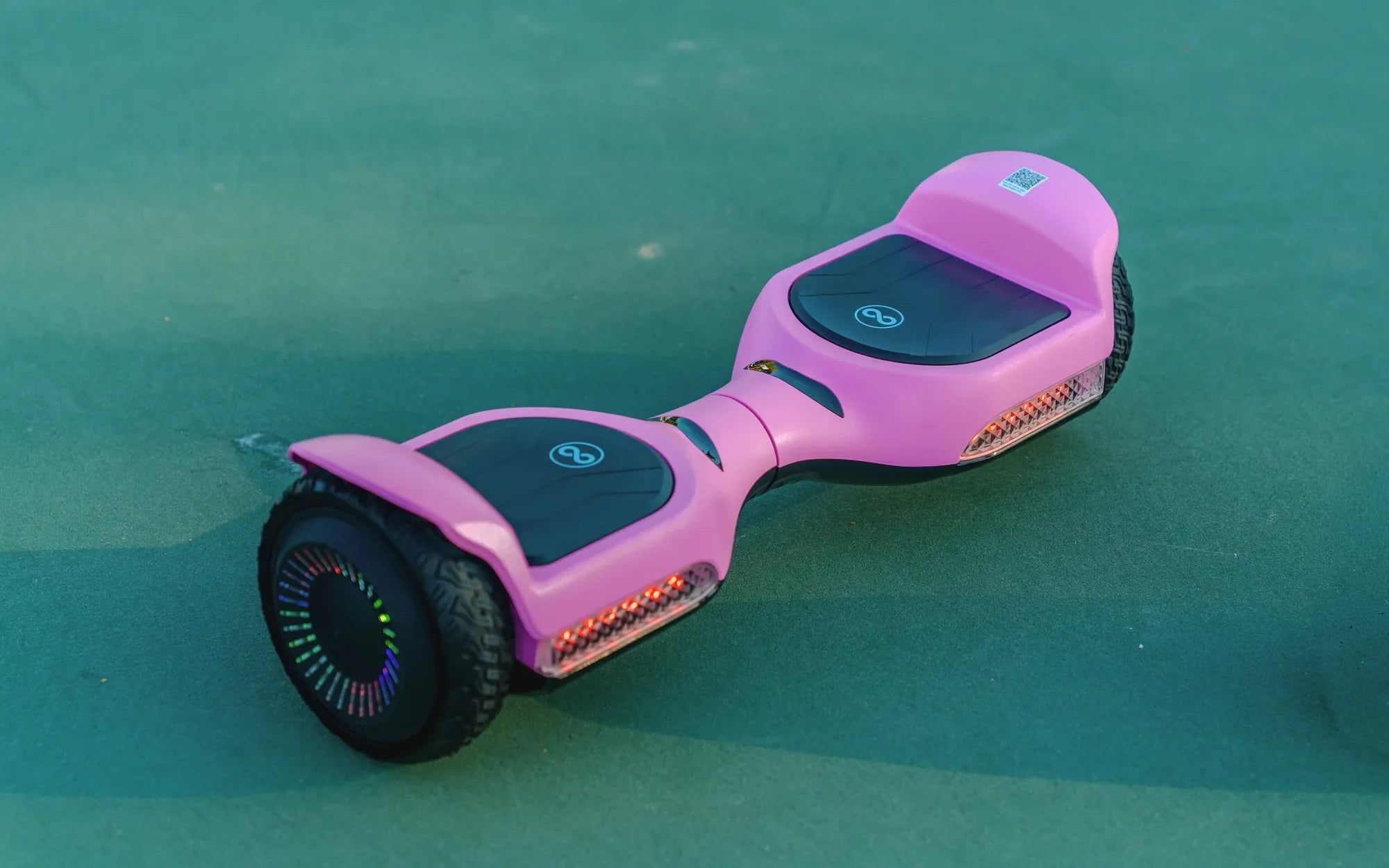
Parents asking 'How much is a hoverboard for kids?' quickly discover prices range from under $100 to over $500. This complete pricing guide explains exactly what you're paying for at each level, revealing why a safe, reliable model requires a specific investment. We'll dissect the market tiers, break down the cost drivers feature-by-feature, and show you how to identify true value that prioritizes your child's safety without unnecessary extras.
Navigating the Kids' Hoverboard Market
The initial sticker shock or allure of a bargain can be misleading. A hoverboard is a complex personal electric vehicle, not a simple toy. Its price directly reflects the quality of its electrical system, battery, motors, and construction. Understanding this correlation is crucial for making a smart purchase.
Our analysis shows that the core question of how much is a hoverboard for kids is best answered by first defining your non-negotiables: certified safety, age-appropriate performance, and durable build. Compromising on these to save money often leads to premature failure or, worse, safety hazards. This guide will provide the data you need to navigate these trade-offs confidently.
We will explore three distinct market segments. The budget tier often hides significant risks, while the premium tier offers enhancements that may be unnecessary for most children. For the majority of families, the mid-range market represents the optimal intersection of safety, performance, and value, where brands like Gyroor operate with a focus on certified components.
The Core Price Spectrum: From Budget to Premium
The kids' hoverboard market segments cleanly into three primary tiers based on price, which correspond directly to build quality, safety standards, and feature sets. Recognizing these tiers helps you set realistic expectations and budget accordingly.
Here is a comparative overview of what you can generally expect within each price bracket:
| Price Tier | Typical Price Range | Safety Certifications | Build & Materials | Best For |
|---|---|---|---|---|
| Budget | Under $150 | Often lacking or uncertified | Basic plastic, generic parts | Extreme budget constraints, with acknowledged risk |
| Mid-Range (Value) | $150 - $300 | UL 2272 common, reputable brands | Reinforced frames, better motors | Most families seeking safety & reliability |
| Premium | $300+ | UL 2272 standard, sometimes extra testing | Premium alloys, high-capacity batteries | Older kids, performance enthusiasts, rough terrain |
This table illustrates the stark differences. The jump from budget to mid-range is primarily about integrating critical safety engineering. The leap from mid-range to premium focuses on enhancing performance, range, and luxury features.
When considering how much is a hoverboard for kids, the mid-range tier is where the market offers the most sensible options. It's where safety certifications become standard for reputable companies, and build quality improves significantly for everyday use by children.
Budget Tier (Under $150): Assessing the Trade-Offs
Hoverboards in this category are frequently found on mass-market online platforms or discount retailers. The low price point is achieved through significant compromises in components and safety oversight. While tempting, these models carry inherent risks that every parent must understand.
The most critical concern is the battery system. Budget models often use lithium-ion battery cells and management systems that are not UL 2272 certified. This certification tests for overcharge, short circuit, and other failure modes that can lead to fire. Without it, the risk factor increases substantially.
Build quality is another major differentiator. Expect thin plastic shells, weaker motors (often under 200W), and low-quality tires that wear quickly. The ride may be sluggish, and the board may struggle with slight inclines. Warranties are typically short (90 days or less) or non-existent, with little to no customer support.
While the upfront cost answers how much is a hoverboard for kids with a very low number, the total cost of ownership can be higher. Early failure may necessitate a replacement, effectively doubling your spend. For genuine safety and durability, investing beyond this tier is strongly advised.
Mid-Range Tier ($150 - $300): The Sweet Spot for Value & Safety
This is the recommended starting point for most parents. The $150-$300 range is where reputable brands deliver the essential combination of certified safety, reliable performance, and decent durability. It represents the baseline for a responsible purchase.
In this tier, UL 2272 certification becomes a standard offering, not an exception. This means the entire electrical system—battery, charger, and motor controllers—has passed rigorous stress tests. Brands competing here, including Gyroor, build their reputation on this foundational safety.
You'll find improved specifications: dual motors in the 250W-350W range for adequate power, better 6.5-inch or 8.5-inch solid rubber tires, and reinforced ABS plastic or composite frames. Features like Bluetooth speakers, LED lights, and companion apps for parental speed control are common. Warranties often extend to a full year.
When evaluating how much is a hoverboard for kids should be, this tier provides the most coherent answer. For an average price of $200-$250, you secure a product designed for real use, backed by a company that expects it to last. It's an investment in peace of mind as much as in the product itself.
Premium Tier ($300+): High-Performance and Specialty Models
Premium hoverboards cater to older kids, teens, and enthusiasts who prioritize performance, extended range, or all-terrain capability. The price premium buys higher-grade materials, more powerful components, and often, specialized designs.
Justification for the cost comes from several areas. Batteries have larger capacities (often 36V/4.4Ah or higher), enabling ranges of 12-15 miles per charge. Motors can be 400W or more, providing higher top speeds (up to 10 mph) and better hill-climbing ability. Frames may incorporate lightweight magnesium alloy for strength and rigidity.
These models often feature the largest wheels (8.5-inch or even 10-inch) and sometimes air-filled (pneumatic) tires for a smoother ride over grass, gravel, and uneven pavement. Advanced features like high-fidelity Bluetooth speakers, customizable RGB light systems, and robust mobile apps are standard.
For a parent asking how much is a hoverboard for kids who are older or more adventurous, this tier is the answer. It's for the child who has mastered the basics and will use the hoverboard extensively, where the extra investment in durability and range pays off over time.
What Truly Determines the Price? A Feature-by-Feature Cost Breakdown
Beyond simple tiers, the final price of a hoverboard is the sum of its parts and the engineering behind them. Let's deconstruct the cost drivers, so you can understand exactly where your money goes and prioritize features that matter most for your child.
This granular analysis empowers you to compare models beyond marketing claims. Two hoverboards priced at $249 can offer different value propositions based on the quality and capacity of the components listed below. Smart shopping means matching these specs to your child's intended use.
Safety Certifications: The Non-Negotiable Cost Driver
The single most important cost factor is safety certification, specifically UL 2272. Achieving this certification is not free; it requires designing the entire electrical system to strict standards, sourcing certified components, and paying for independent laboratory testing.
A UL 2272-certified battery pack uses high-quality lithium-ion cells from reputable manufacturers and includes a sophisticated Battery Management System (BMS). The BMS prevents overcharging, over-discharging, and short circuits. This engineering and the certification process add directly to the manufacturing cost but are indispensable.
Gyroor, for instance, uses UL-certified battery packs tested for over 500 charge cycles as a core component of its design philosophy. This commitment represents a significant portion of the product's value, ensuring the power source is safe and long-lasting. Never consider a hoverboard without this certification, regardless of how much is a hoverboard for kids advertised for.
Build Quality & Durability: Motor, Wheels, and Frame
The physical construction determines how the hoverboard handles, feels, and survives daily use. More powerful motors cost more. Dual 250W motors are standard for mid-range boards, suitable for kids under 12 on flat surfaces. Dual 350W+ motors provide better acceleration and hill-climbing, justifying a higher price.
Wheel size and material are critical. Small 6.5-inch solid rubber wheels are cost-effective and low-maintenance. Larger 8.5-inch wheels offer better stability and obstacle clearance. The most expensive option is air-filled (pneumatic) tires, which provide a vastly superior ride on rough terrain but add cost and potential maintenance.
The frame material also impacts price. Basic ABS plastic is common in budget models. Mid-range boards use reinforced, impact-resistant composites. Premium models may use magnesium alloy, which is stronger and lighter but more expensive to manufacture. This directly affects the board's weight limit and longevity.
Battery Life & Range: Powering the Adventure
Battery capacity, measured in Watt-hours (Wh) or Amp-hours (Ah), is a primary determinant of both range and price. A standard mid-range hoverboard might have a 36V/2Ah (72Wh) battery, offering 6-8 miles of range. A premium model with a 36V/4.4Ah (158Wh) battery can double that range.
Higher-capacity batteries require more raw materials (lithium-ion cells) and a more robust BMS. They also add weight. The convenience of longer ride times between charges comes at a direct premium. Consider your child's typical usage; a 6-mile range is often sufficient for neighborhood use, making the extra cost for a 12-mile battery unnecessary for many.
Charge time is related. Faster charging requires more sophisticated circuitry. Most hoverboards charge in 2-4 hours. While a 1-hour fast charge is a marketed feature on some high-end models, it can contribute to faster long-term battery degradation if not carefully managed by the BMS.
Extra Features and "Wow" Factors
These features customize the experience but add cost. Bluetooth speakers vary in audio quality; better speakers and amplifiers increase the price. Elaborate LED light systems—under-glow, wheel rim lights, etc.—require additional LED controllers and wiring.
A companion mobile app is a significant software development cost. A good app allows speed limiting (crucial for beginners), battery monitoring, firmware updates, and light control. This integration adds value for parental oversight and is a mark of a developed brand ecosystem.
Accessories like a custom-fit carry bag, upgraded charger, or tool kit are sometimes bundled. While convenient, they are also factored into the total price. When calculating how much is a hoverboard for kids, decide if these features are worth the incremental cost for your specific situation.
The Gyroor Value Proposition: Premium Safety at a Mid-Range Price
Examining a specific brand helps contextualize the pricing principles. Gyroor, a leading electric scooter and e-bike brand trusted by over 100,000 riders, applies its engineering expertise to hoverboards. It targets the value-rich mid-range segment by incorporating premium safety features without a premium price tag.
The cornerstone is the UL-certified battery system. By making this a non-negotiable standard across its lineup, Gyroor addresses the primary safety concern at its root. This commitment provides immediate peace of mind that is often missing in generic models and is sometimes an expensive add-on in other brands.
Beyond the battery, Gyroor designs for real-world use. An IPX5 water-resistance rating means the board is protected against water jets from any direction. This guards against puddles, wet grass, and accidental spills, significantly improving durability—a feature often reserved for higher-priced models.
Finally, the 1-year comprehensive warranty and accessible U.S.-based customer support represent significant value. This warranty coverage reduces the long-term risk and potential cost of ownership, ensuring that the answer to how much is a hoverboard for kids is a single, predictable payment, not an open-ended liability.
Smart Shopping Tips: Getting the Best Deal Without Compromising Safety
Armed with knowledge of price tiers and cost drivers, you can shop strategically. The goal is to maximize value, not just find the lowest price. Here are actionable tips to ensure you get a safe, reliable hoverboard for a fair cost.
First, always buy from authorized retailers or the brand's official website. This guarantees you receive a genuine product with a valid warranty. Third-party marketplace sellers may offer "too-good-to-be-true" prices on counterfeit or outdated stock with no support.
Second, time your purchase around sales events. Major shopping holidays like Black Friday, Cyber Monday, Amazon Prime Day, and back-to-school seasons often see significant discounts (20-30% off) on reputable brands. This is an excellent way to acquire a mid-range or premium model at a budget-tier price.
Third, be wary of used hoverboards. Lithium-ion batteries degrade over time and with charge cycles. A used board may have a severely diminished range, and the battery could be a safety risk if its history is unknown. The savings are rarely worth the potential hazard and lack of warranty.
Finally, read recent reviews, focusing on comments about battery life, customer service interactions, and durability over 6-12 months of use. This real-world data is more valuable than marketing specifications when determining long-term value.
Frequently Asked Questions (FAQ)
Q: What is the average price for a good, safe hoverboard for a beginner?
A: For a new rider, plan to invest between $180 and $250. This range typically secures a UL 2272-certified model from a reputable brand with adequate power (250W motors), a 6-8 mile range, and a one-year warranty—the ideal starter package.
Q: Are cheap hoverboards from online marketplaces safe?
A: Frequently, no. Models priced under $150, especially from unknown sellers, often bypass critical safety certifications like UL 2272 to cut costs. They pose higher risks of battery failure, fire, and electrical malfunction. The potential danger far outweighs the minimal savings.
Q: Does a higher price always mean better quality?
A: Within the realm of reputable, certified brands, generally yes. Price increases reflect better materials (alloy vs. plastic), more powerful motors, larger batteries for longer range, and enhanced features. However, compare specifications carefully; sometimes, you pay a premium only for brand name or cosmetic extras.
Q: What ongoing costs should I budget for?
A: The essential ongoing cost is safety gear: a certified helmet (non-negotiable), and optionally, knee/elbow/wrist pads. Operationally, you may eventually need to replace the charger or tires after heavy use. Factor in these costs when considering the total investment.
Q: How important is wheel size, and what should I choose?
A> Wheel size affects ride comfort and terrain capability. 6.5-inch wheels are standard, cost-effective, and fine for smooth indoor or pavement use. 8.5-inch wheels provide more stability and handle cracks and bumps better. Choose 8.5-inch or air-filled tires if your child will ride on varied surfaces.
Investing in Fun and Safety
Determining how much is a hoverboard for kids is fundamentally about balancing budget with non-negotiable safety and sensible performance. The market clearly shows that safe, reliable hoverboards have a minimum entry point in the $150-$300 range, where certified components and responsible engineering become standard.
The true cost of a hoverboard isn't just its purchase price; it's the value of peace of mind, the durability to last through childhood adventures, and the safety engineering that prevents accidents. A well-chosen model from a trusted brand represents an investment in countless hours of active, outdoor fun, built on a foundation you can trust.
By prioritizing UL 2272 certification, appropriate motor power for your child's age and weight, and a solid warranty, you ensure your investment is sound. Brands that transparently commit to these standards, like Gyroor with its UL-certified batteries and IPX5 water resistance, offer a clear value proposition in the mid-market.
Ready to find the perfect balance of safety, performance, and value for your young rider? Browse the full Gyroor collection at gyroorboard.com to explore hoverboards designed with certified safety as the core priority, ensuring fun that's built to last.
Best Hoverboard Brands for Kids: Top Picks for Safety and Fun
How Do You Charge a Hoverboard: A Complete Guide to Safe and Efficient Charging