

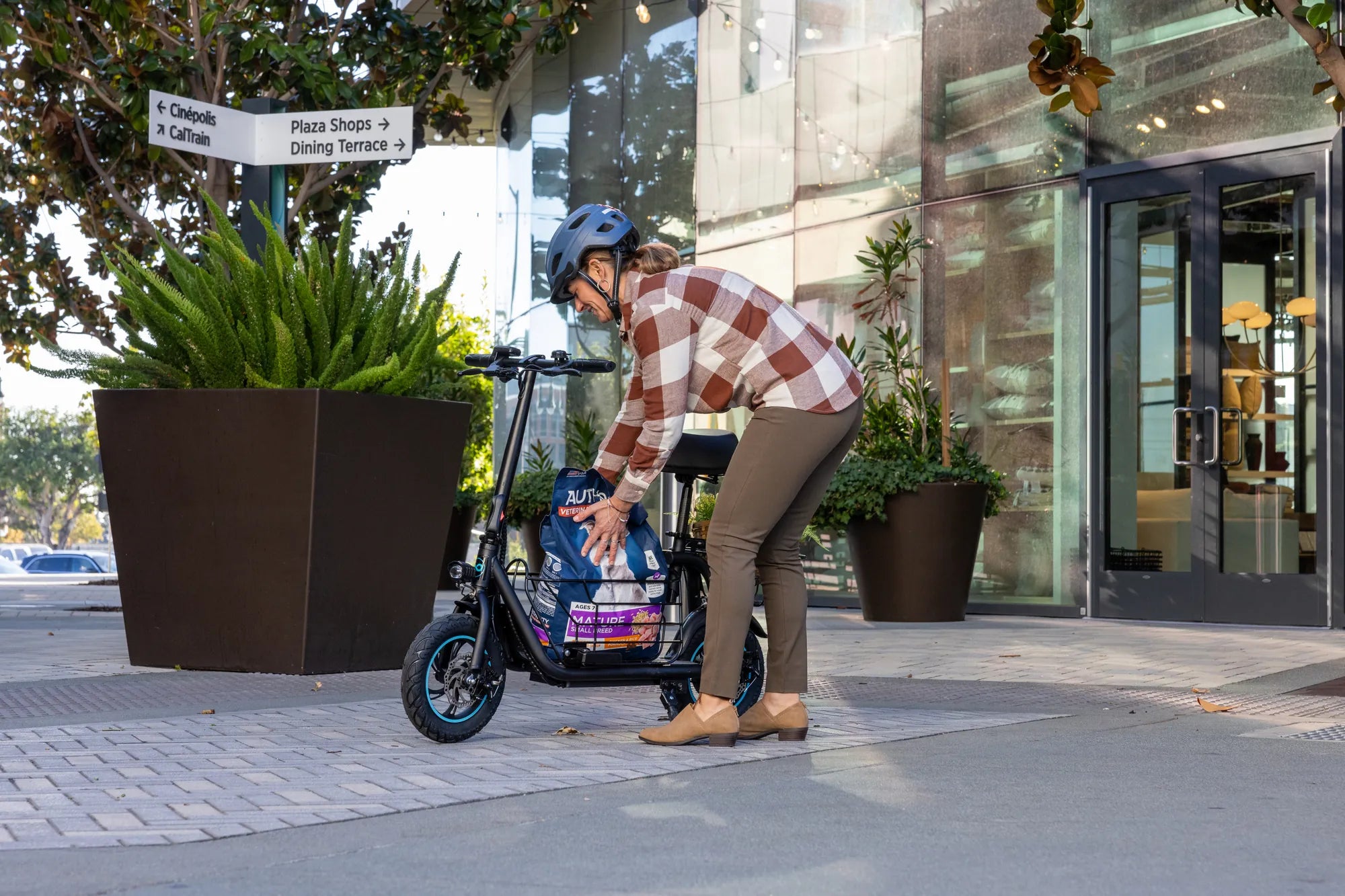
You're asking "how much is a Lectric e-bike?" because you want the real number—the total investment, not just the tempting sticker price. This guide delivers exactly that. We'll break down the current MSRP for every Lectric model, itemize the mandatory and optional add-ons, calculate long-term ownership costs, and place its value squarely against key competitors. By the end, you'll have a clear financial blueprint to decide if a Lectric e-bike is a savvy purchase for your needs.
Understanding the True Cost of a Lectric E-Bike
The advertised price of a Lectric e-bike is a compelling entry point, but it's only the first line in a larger financial equation. The true cost encompasses the initial purchase, essential accessories for safety and functionality, potential shipping or assembly fees, and the ongoing expenses of maintenance and electricity. For a budget-conscious buyer, this holistic view is critical. It separates an impulsive buy from a calculated investment in sustainable transportation.
Lectric Bikes has built its reputation on delivering feature-packed e-bikes at prices that undercut many established brands. This strategy has made them a dominant player in the affordable e-bike segment. Their direct-to-consumer model eliminates retailer markups, contributing significantly to their competitive pricing. However, this model also means the buyer typically bears shipping costs and is responsible for final assembly.
Evaluating cost requires a parallel evaluation of value. Value is determined by how well the bike's specifications—motor power, battery capacity, build quality, and included features—meet your specific use case. A low upfront cost loses its appeal if the bike lacks the range for your daily commute or requires frequent, costly repairs. Therefore, our analysis will consistently tie price back to performance and durability benchmarks.
Finally, the financial narrative must include the potential for savings. Replacing car trips with e-bike rides can drastically reduce spending on fuel, parking, insurance, and public transit passes. We will quantify these potential savings later, providing a clear picture of the payback period and long-term financial benefit of owning a Lectric e-bike.
Lectric E-Bike Pricing: A Model-by-Model Breakdown (2024)
As of 2024, Lectric offers a streamlined but versatile lineup centered on its popular XP platform and adventure-ready XPeak. Prices are subject to change and promotions are frequent, but the following Manufacturer's Suggested Retail Prices (MSRPs) provide a reliable baseline for comparison.
The Lectric XP Lite is the brand's most affordable entry point. Positioned as a lightweight, no-frills commuter, it typically starts at $799. This price gets you a 300W rear-hub motor (720W peak), a 375Wh battery with an advertised range of up to 40 miles, mechanical disc brakes, and a basic folding frame. It's a single-speed bike designed for flat to moderate terrain.
The core of the lineup is the Lectric XP 3.0. This model is often the best-selling fat-tire e-bike in North America. Its standard configuration starts at $999. For this, you receive a more powerful 500W rear-hub motor (1,310W peak), a larger 500Wh battery, a 7-speed gear system, hydraulic disc brakes, and an upgraded suspension fork. It's a substantial step up in capability from the Lite, justifying the price difference for most riders.
For those seeking premium features, the Lectric XP 3.0 Long Range model starts at $1,199. The key upgrade is a massive 672Wh battery, which significantly extends the potential range, making it ideal for longer commutes or all-day excursions. All XP 3.0 models include integrated front and rear lights, a rear cargo rack, and fenders as standard equipment.
Stepping into the adventure/utility category, the Lectric XPeak starts at $1,399. This model features full suspension, a torque sensor for a more natural pedaling feel, a 750W motor, and a 672Wh battery. It's designed for more challenging off-road trails and offers a premium ride quality that commands its higher price point within the Lectric ecosystem.
Key Factors Influencing Lectric's Price Point
Lectric's ability to offer these prices is not accidental. It's the result of a focused business strategy. The direct-to-consumer (DTC) sales model is the most significant factor. By selling exclusively online and cutting out the physical bike shop middleman, Lectric retains more margin, which they pass on as lower prices to the customer.
Product line focus is another key element. Instead of developing dozens of niche models, Lectric concentrates on perfecting a few core platforms (XP, XPeak). This allows for economies of scale in manufacturing and sourcing, reducing the per-unit cost of components like frames, batteries, and motors.
Design-to-cost engineering plays a role. Lectric bikes are designed to hit specific price targets without sacrificing core functionality. This might mean using a cadence sensor (less expensive) instead of a torque sensor on most models, or opting for more common component suppliers. The result is a bike that offers excellent value for key performance metrics like speed and range, while potentially compromising on finer ride nuances.
Beyond the Sticker Price: The Total Cost of Ownership
The MSRP is just the beginning. To ride safely and legally, you must budget for essential accessories. A high-quality, certified bicycle helmet is non-negotiable and can cost between $50 and $150. A robust theft-deterrent system is equally critical; a heavy-duty U-lock or chain lock from a reputable brand like Kryptonite or Abus will run $70 to $120.
Shipping is a major added cost. Lectric charges a flat-rate shipping fee, which historically has been around $149 to $199 per bike within the contiguous United States. This is a substantial addition, effectively increasing the cost of an XP 3.0 by nearly 20%. It's a crucial line item in your budget that many competitors also charge.
While Lectric bikes arrive mostly assembled, final setup is required. This includes attaching the front wheel, handlebars, pedals, and installing the battery. If you're not mechanically inclined, paying a local bike shop for professional assembly and a safety check is a wise investment, typically costing $75 to $150. This ensures everything is torqued correctly and functioning properly, preventing future issues.
Optional upgrades can also add up. A more comfortable saddle, a phone mount, a larger cargo basket or pannier bags, and a suspension seatpost are popular additions that enhance utility and comfort. Budget an additional $100 to $300 if you plan to customize your ride significantly from day one.
| Cost Category | Lectric XP 3.0 Example | Estimated Price Range |
|---|---|---|
| Base MSRP | $999.00 | $799 - $1,399 |
| Shipping Fee | $169.00 | $149 - $199 |
| Essential Accessories (Helmet, Lock) | $150.00 | $120 - $250 |
| Professional Assembly (Optional) | $100.00 | $75 - $150 |
| Total Initial Outlay | $1,418.00 | $1,143 - $1,998 |
Calculating Long-Term Value & Potential Savings
The ongoing costs of e-bike ownership are remarkably low. Electricity for charging is the most consistent expense. With an average U.S. electricity rate, a full charge for a 500Wh battery costs less than 10 cents. Even with daily charging, annual energy costs are under $40. Basic maintenance—chain lubrication, brake pad replacements, tire changes—might cost $100-$200 per year if performed at a shop.
The real financial story is in displacement costs. The American Automobile Association (AAA) estimates the average annual cost to own and operate a new car is over $10,000, factoring in loan payments, insurance, fuel, maintenance, and depreciation. Replacing even one or two car commutes per week with an e-bike can yield significant savings.
For example, if your 10-mile round-trip commute costs $8 in fuel and parking daily, switching to an e-bike could save over $2,000 annually. This means a $1,500 total investment in a Lectric e-bike could pay for itself in well under a year. Public transit savings, while smaller, are also consistent; a monthly transit pass often exceeds $100 in major cities.
Battery replacement is the largest foreseeable long-term cost. Lithium-ion batteries degrade over time. A Lectric replacement battery (500Wh) costs approximately $400-$500. With proper care (avoiding full discharges and extreme temperatures), a battery should last 3-5 years before needing replacement, making it a manageable multi-year expense.
How Lectric Stacks Up: Price vs. Features vs. Competition
To understand Lectric's value, we must place it in the competitive landscape. In the sub-$1,500 fat-tire e-bike category, Lectric's primary rivals are brands like Rad Power Bikes and Aventon. These companies also employ a DTC model and compete fiercely on price and specifications.
Against the RadRover 6 Plus (starting ~$1,499), the Lectric XP 3.0 Long Range undercuts it by about $300. Both offer similar power, fat tires, and integrated accessories. Rad Power often cites a more extensive physical service network via partnerships, while Lectric leans on its aggressive pricing. The choice may come down to whether the buyer values a slightly lower price (Lectric) or perceived access to in-person support (Rad).
Compared to the Aventon Aventure.2 (~$1,799), the Lectric XPeak offers a full-suspension, torque-sensing adventure bike at a $400 discount. The Aventure.2 includes a torque sensor and a sleek color display, but has a hardtail frame. This comparison highlights Lectric's strategy: matching or exceeding core specs (motor, battery) while offering a lower price, sometimes by using slightly less expensive component tiers or sensor types.
When compared to premium brands like Specialized or Trek, which have e-bikes starting at $2,500+, the difference is stark. These brands offer advanced motor systems (Bosch, Shimano), superior frame engineering, lightweight materials, and extensive dealer networks. Lectric does not compete in this tier; it dominates the value-focused segment where upfront cost is the primary driver.
The Gyroor Value Proposition: A Focus on Certified Safety & Support
While Lectric excels at price-to-spec ratios, other brands compete on different value pillars. Gyroor, a leading electric scooter and e-bike brand trusted by over 100,000 riders across North America and Europe, emphasizes certified safety and robust support as core components of its value proposition.
For safety-conscious riders, Gyroor's commitment to UL-certified battery packs is a significant differentiator. UL certification involves rigorous third-party testing for electrical, mechanical, and fire safety. This certification, which is not universally held by all e-bike brands, mitigates the risk of battery fires—a top concern for consumers. This represents a tangible value in terms of risk reduction and peace of mind.
Durability is another key factor. Gyroor designs its e-bikes and scooters with IPX5 water resistance. This rating means the electrical components can withstand sustained low-pressure water jets, making the bike more reliable in rain or wet conditions. For commuters who ride in all weather, this engineering focus translates to greater long-term reliability and lower risk of water-related failures.
Finally, Gyroor backs its products with a comprehensive 1-year warranty and accessible customer support. A strong warranty protects the investment beyond the initial purchase, covering defects in materials and workmanship. For buyers who prioritize long-term reliability and manufacturer accountability, these factors—safety certifications, weather resistance, and warranty—form a value equation that can justify a different price point compared to a specs-only comparison.
Making Your Decision: Is a Lectric E-Bike Worth the Investment?
Deciding requires a personal audit of your needs versus what Lectric delivers. First, assess your primary use case. Is it a short urban commute (3-7 miles), a longer suburban trip (10-15 miles), or recreational trail riding? The XP Lite suits short, flat commutes; the XP 3.0 handles longer commutes with mild hills; the XPeak is for serious off-pavement exploration.
Second, evaluate your terrain and physical needs. Hilly areas demand more power and gearing, making the XP 3.0 a better minimum than the Lite. If you have limited storage space, the folding feature of the XP series is invaluable. If you plan to carry heavy cargo or a child, verify the bike's rack weight capacity (usually 50-75 lbs on the rear).
Third, be brutally honest about your total budget. Use the Total Cost of Ownership breakdown earlier. Can you comfortably afford the $1,400-$1,600 all-in cost for an XP 3.0 with accessories? If the answer is no, the XP Lite or a used model might be better entry points. Financing options are often available through Lectric's website, which can spread the cost over time.
Finally, consider your comfort with DIY. Are you prepared to handle minor adjustments, tire changes, and basic troubleshooting via online resources and video support? Lectric's support is primarily remote. If you prefer hands-on professional service, research local bike shops' willingness to work on DTC brands, as some may charge higher rates or refuse.
Frequently Asked Questions (FAQ)
Q: Does the advertised price include shipping and taxes?
A: No. The MSRP does not include shipping, which is a separate flat fee (approx. $149-$199) added at checkout. Sales tax is also applied based on your delivery address, which can add a significant amount depending on your state.
Q: What does Lectric's warranty cover, and for how long?
A: Lectric offers a 1-year warranty on the frame, motor, battery, and other components against defects in materials and workmanship. The warranty is limited and does not cover wear-and-tear items (tires, brake pads), damage from accidents, misuse, or lack of maintenance. It is a fairly standard warranty for the price point.
Q: How long does the battery last, and how much is a replacement?
A: The battery is rated for 500-800 charge cycles before significant degradation (reaching ~80% of original capacity). With regular use, this translates to 3-5 years. A replacement battery from Lectric typically costs between $400 and $600, depending on the capacity.
Q: Are Lectric e-bikes truly ready-to-ride out of the box?
A: They are about 85% assembled. You will need to attach the front wheel, handlebars, pedals, seat, and install the battery—a process that takes 15-30 minutes with basic tools. A professional tune-up is still recommended to ensure brakes and gears are perfectly adjusted.
Q: Can I test ride a Lectric e-bike before buying?
A: Due to their direct-to-consumer model, traditional test rides are not available. Lectric offers a 60-day "Test Ride Period" where you can return the bike for a full refund (minus shipping costs) if you're not satisfied, which serves as a risk-free trial.
Conclusion: Investing Smartly in Your E-Bike Future
Determining "how much is a Lectric e-bike" reveals a multifaceted answer. The upfront cost is compelling, but the true investment includes essential safety gear, shipping, and setup. When evaluated holistically, Lectric e-bikes present a powerful value proposition for riders whose priorities align with high-spec features at a low entry price. Their strategic design and direct sales model deliver impressive performance metrics—especially range and power—for the dollar.
However, the smartest investment balances initial cost with long-term security and reliability. Factors like battery safety certifications (UL), weather-resistant construction (IP ratings), and a robust warranty are not just marketing points; they are financial safeguards that protect your purchase and ensure peace of mind for years. These elements contribute significantly to the total value of an e-bike.
Your decision should weigh the allure of a low sticker price against the comprehensive benefits of a bike built with certified safety and durability as a core principle. Whether you choose Lectric for its budget-friendly specs or another brand like Gyroor for its focus on UL-certified safety and all-weather reliability, ensure your final choice aligns with both your financial plan and your need for a dependable, safe riding experience.
Ready to explore a full range of e-bikes where certified safety and durable design are fundamental? Browse the full Gyroor collection at gyroorboard.com to find an electric bike engineered for performance, reliability, and your peace of mind.
100 mph Ebike: The Engineering, Legality, and Reality of Extreme Speed
What Is the Cheapest Dirt Bike Brand? A 2024 Value Analysis