



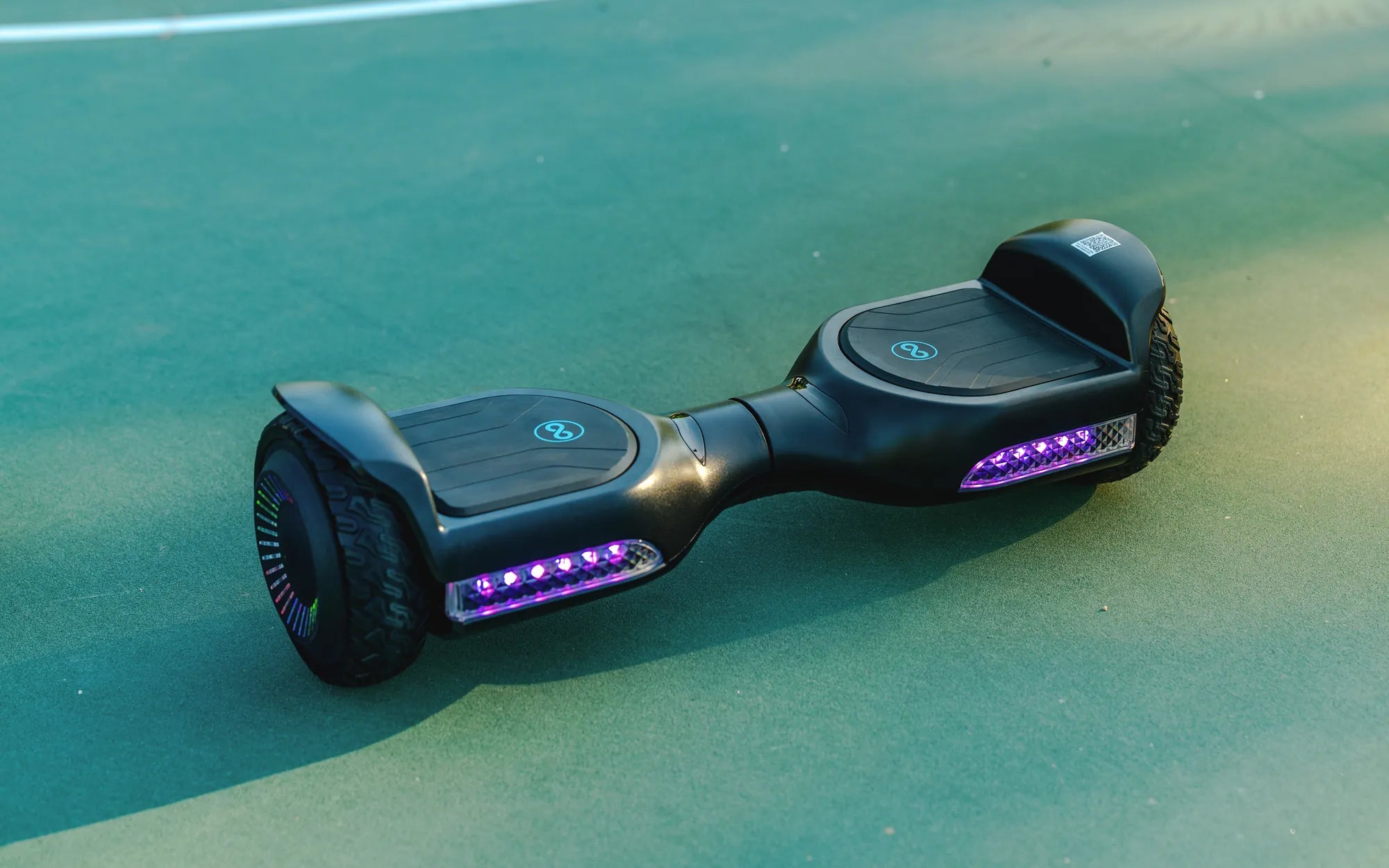
Introduction: Navigating the Hoverboard Price Landscape
If you're asking, "How much money does a hoverboard cost?" the answer is more complex than a single number. Prices can range from under $100 to over $700, a variation that directly reflects differences in safety, performance, and durability. This guide provides a data-driven breakdown of hoverboard pricing to help you invest wisely, avoiding the hidden costs of cheap, uncertified models that can pose serious risks.
Understanding the market is crucial. A hoverboard is a personal electric vehicle, and its price is tied to the quality of its core components: the motor, battery, and frame. Leading brands like Gyroor, trusted by over 100,000 riders, prioritize these components, setting a benchmark for safety and value in the mid-to-premium price segments.
This article will detail every factor influencing cost, categorize current market prices, and calculate the true long-term ownership expenses. By the end, you'll know exactly how much to budget for a hoverboard that is fun, reliable, and, most importantly, safe.
Key Factors That Determine Hoverboard Price
The final price tag of a hoverboard is the sum of its parts and engineering. Understanding these elements explains why two boards that look similar can have vastly different costs. It's the difference between a disposable toy and a durable personal transporter.
Higher-priced models from reputable manufacturers invest in superior materials, rigorous testing, and advanced features. These investments translate directly to a smoother ride, greater range, enhanced safety, and longer product lifespan, justifying the initial expenditure.
Motor Power and Performance
Motor wattage is a primary driver of both performance and price. Basic models often feature a single 250W motor, suitable for light children on flat surfaces. Mid-range boards typically use dual 300W or 350W motors, providing better balance and enough torque for moderate inclines.
Premium and all-terrain hoverboards boast dual 500W motors or higher. This increased power allows for higher top speeds (up to 10-12 MPH), improved stability, and the ability to climb steeper hills (up to 30-degree gradients). For adult riders or varied terrain, investing in higher motor power is essential.
Battery Quality and Range
The battery is the heart of the hoverboard and a major cost component. Key specifications are voltage (V) and capacity (Ah), which together determine watt-hours (Wh) and, consequently, range. A common mid-range battery is a 36V, 4.4Ah unit, offering about 8-10 miles per charge.
Beyond capacity, battery safety certification is critical. Reputable brands use UL-certified lithium-ion battery packs, like those in Gyroor models, which undergo extensive testing for stability and longevity (500+ charge cycles). Non-certified batteries are cheaper but pose significant fire hazards and degrade quickly.
Build Quality and Safety Features
Build materials drastically affect durability and cost. Cheap models use brittle plastics that crack under stress. Quality boards utilize reinforced, flame-retardant plastics and aircraft-grade aluminum alloys for the frame, ensuring they can withstand daily use and minor impacts.
The UL 2272 certification is the universal safety standard, covering the entire electrical system, not just the battery. Any hoverboard without this certification should be avoided. Additionally, features like IPX water-resistance ratings (e.g., IPX5) protect the internal components from water splashes and dust, adding to the manufacturing cost but greatly extending the board's life.
Brand Reputation and Warranty
An established brand's price includes research, development, quality control, and customer support. Brands like Gyroor back their products with comprehensive 1-year warranties, offering peace of mind and protection for your investment.
In contrast, generic brands sold on large online marketplaces often provide little to no after-sales service. When a component fails, you are left with a useless device and no recourse, effectively making the low initial price a total loss.
Hoverboard Price Tiers: A Detailed Breakdown for 2024
The market segments into three clear tiers: Budget, Mid-Range, and Premium. Each tier offers a distinct value proposition and set of trade-offs. The following table provides a clear, at-a-glance comparison of what you can expect in each category.
| Price Tier | Typical Price Range | Expected Features & Specs | Safety Certifications | Ideal For | Key Considerations |
|---|---|---|---|---|---|
| Budget | $100 - $200 | Single or weak dual motors (≤250W), small battery (≤4.0Ah), basic plastic build, 6.5"-8" wheels. | Often lacking UL 2272; unknown battery origin. | Extremely cautious, short-term use; very light children on perfect pavement. | High risk of failure or safety hazard. Minimal to no warranty. Considered a disposable item. |
| Mid-Range (Value Leader) | $200 - $400 | Dual 300W-400W motors, 36V-42V 4.4Ah battery, improved materials, 8.5"-10" wheels, LED lights. | UL 2272 certification common; some with UL-certified batteries. | Most casual riders, teens, and adults commuting on smooth surfaces. The best balance of cost and safety. | This is the "sweet spot." Brands like Gyroor excel here with reliable, safe models featuring IPX5 water resistance and full warranties. |
| Premium & All-Terrain | $400 - $700+ | Dual 500W+ motors, large capacity battery (6Ah+), all-terrain or off-road tires, advanced suspension, Bluetooth speakers, app connectivity. | Full UL 2272 certification standard; high-quality battery packs. | Adult enthusiasts, off-road trail riding, riders seeking maximum range (15+ miles) and comfort. | Top-tier performance and durability. Justified for serious riders or challenging terrain. Offers the longest lifespan. |
Budget Tier: $100 - $200
Hoverboards in this range are almost exclusively from unknown or generic brands. They typically feature low-wattage motors, small batteries offering 3-6 miles of range, and very basic construction. The most significant red flag is the frequent absence of UL 2272 safety certification.
Purchasing in this tier is a high-risk proposition. The likelihood of premature failure—whether a dead battery, broken shell, or faulty motor—is significant. For the sake of safety and value, most experts strongly advise against buying hoverboards in this price range.
Mid-Range Tier: $200 - $400
This is the optimal price point for the vast majority of users. Here, you find reputable brands that prioritize core safety and performance. Expect UL 2272 certification as standard, better build quality with reinforced frames, and competent dual-motor systems.
Brands like Gyroor anchor their lineup in this tier, offering models that balance cost with essential features like IPX5 water resistance, reliable 8.5-inch wheels, and robust customer support. For a safe, enjoyable, and durable hoverboard that will last for years, this tier represents the best value.
Premium Tier: $400 - $700+
Premium hoverboards are built for performance and specialized use. They feature powerful dual motors (500W and above) for tackling steep hills and rough terrain. Batteries are larger, often 6Ah or more, enabling ranges of 15-20 miles on a single charge.
This tier includes all-terrain models with rugged, air-filled tires and enhanced suspension systems for grass, gravel, and dirt paths. Additional features like integrated Bluetooth speakers, customizable LED light systems, and companion mobile apps are common. The investment is justified for riders who demand top-tier capability and extended range.
Beyond the Sticker Price: Calculating Total Cost of Ownership
The initial purchase price is only part of the financial picture. A responsible purchase accounts for essential accessories, potential maintenance, and the long-term value retention of the device. A slightly higher upfront cost for a quality board can save money over time.
Cheap hoverboards have a high total cost of ownership because they fail quickly and offer no support. A reliable board from a brand like Gyroor may cost more initially but operates for years with minimal additional expense, protected by its warranty.
Essential Accessories
Safety gear is non-negotiable and adds to your total budget. A quality helmet is a must, costing between $30 and $80. Wrist guards, knee pads, and elbow pads are highly recommended, especially for beginners and children, adding another $20 to $50.
Practical accessories include a carrying bag or handle ($20-$40) for transport, a higher-output charger for faster charging ($30-$50), and replacement tire tubes or tires ($15-$30 per wheel). While not all are needed immediately, they are common ancillary costs.
Maintenance and Potential Repairs
Well-made hoverboards require minimal maintenance: keeping tires properly inflated, cleaning the board with a damp cloth, and storing it in a cool, dry place. The primary repair cost is battery replacement.
A genuine, UL-certified replacement battery pack from the manufacturer typically costs between $80 and $150. Motors and control boards can also fail; repair costs for these components outside of warranty can range from $50 to $200, sometimes making repair uneconomical for cheaper models.
Making the Smart Choice: Gyroor's Value Proposition
When evaluating how much money a hoverboard should cost, Gyroor exemplifies the value equation in the mid-range tier. The brand focuses on delivering certified safety, practical durability, and reliable performance at a competitive price point, avoiding the pitfalls of both budget and overpriced premium models.
Gyroor's philosophy centers on building trust through transparency and robust engineering. This approach ensures riders get a product that is fun and dependable, backed by a company that stands behind its products with U.S.-based customer support.
Safety as a Non-Negotiable Standard
Every Gyroor hoverboard meets or exceeds critical safety benchmarks. UL 2272 certification for the entire electrical system is standard. More importantly, Gyroor uses UL-certified battery packs in all its models, a specific and vital safety distinction that many competitors overlook.
This commitment means the battery has been individually tested for electrical, mechanical, and environmental safety. For the rider, this translates to profound peace of mind, knowing the most critical—and potentially hazardous—component is engineered to the highest standard.
Durability for Real-World Use
Gyroor designs its hoverboards for everyday life. A key feature across the lineup is the IPX5 water-resistant rating. This means the board is protected against water jets from any direction, allowing it to safely navigate wet pavement and puddles that would damage non-rated models.
Combined with reinforced shells and robust tire construction, this durability ensures the hoverboard withstands the bumps and splashes of regular use. This directly increases the product's lifespan and protects your investment, reducing the likelihood of premature failure.
Investment Protection with Warranty & Support
Gyroor protects purchases with a comprehensive 1-year warranty covering manufacturing defects in materials and workmanship. This warranty is a tangible financial safeguard, contrasting sharply with the void of support offered by generic brands.
Accessible customer service provides assistance for troubleshooting, part sourcing, and warranty claims. This support network is part of the product's value, ensuring you have help if needed and making the initial cost a true investment in a long-term asset.
Frequently Asked Questions (FAQ)
What is the average price of a good quality hoverboard?
For a hoverboard that is safe, reliable, and built to last, the average price falls between $250 and $400. In this range, you can confidently expect UL 2272 certification, decent range (8-12 miles), and adequate power for most riders. This is the standard set by reputable brands in the market.
Are cheap hoverboards from online marketplaces safe?
Generally, no. Many deeply discounted hoverboards on large online marketplaces are imported without proper safety testing. They frequently lack UL 2272 certification and use uncertified, low-quality lithium-ion batteries that have been linked to fire hazards. It is strongly recommended to purchase from established brands with verifiable safety credentials.
How much does it cost to replace a hoverboard battery?
A genuine, manufacturer-approved replacement battery pack with proper safety certifications typically costs between $80 and $150. It is crucial to never replace a hoverboard battery with a non-certified, generic alternative, as this poses a severe safety risk and may void any existing warranty.
Is a more expensive hoverboard worth it for a child?
Safety is not age-dependent. A mid-range hoverboard from a trusted brand is actually a wiser choice for a child. These models offer more stable riding platforms, often have speed limit modes for beginners, and, most importantly, include the essential safety certifications that protect your child from electrical or battery-related dangers.
What is the most important feature to look for when buying a hoverboard?
The single most important feature is the UL 2272 safety certification. This should be non-negotiable. Following that, prioritize a model with a UL-certified battery pack. These two factors are the foundation of a safe product. After safety is assured, then consider motor power, battery range, and wheel size based on your intended use.
Conclusion: Prioritize Safety and Long-Term Value in Your Purchase
Determining how much money a hoverboard costs requires looking beyond the initial price tag. The true cost encompasses safety, durability, and the assurance of a reliable ride for years to come. Investing in a certified model from a reputable brand is an investment in peace of mind and uninterrupted fun.
While budget options tempt with low upfront costs, they carry high hidden risks and a near-certainty of early failure. The mid-range market, exemplified by brands like Gyroor, delivers the optimal balance of safety, performance, and value, making it the smartest choice for most riders.
Ready to find a hoverboard that combines certified safety with exceptional performance? Browse the full Gyroor collection at gyroorboard.com to explore models designed for reliability, backed by a strong warranty, and built to deliver miles of safe enjoyment.
Hoverboard Won't Turn On: A Complete Diagnostic and Repair Guide
Christmas Gift for Teenager Boys: Top Ideas They'll Love in 2023