



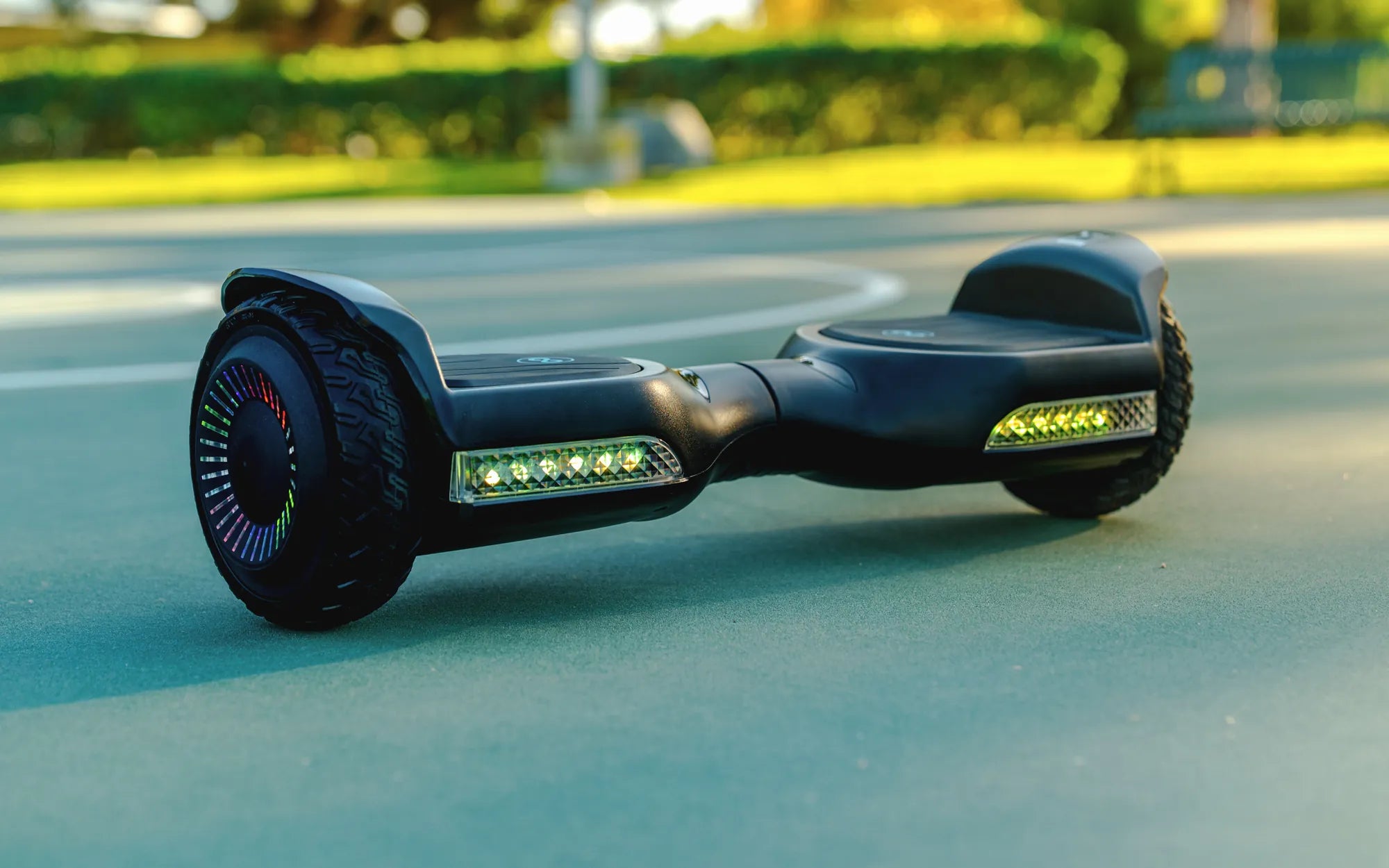
Navigating the hoverboard market reveals prices from under $100 to over $800, creating confusion about what constitutes a fair price. The answer to how much money is a hoverboard depends entirely on the engineering, safety certifications, and performance features built into the device. This complete price guide will dissect every cost factor, from motor wattage to battery certification, providing you with the data needed to make an informed investment. You'll learn to distinguish between dangerously cheap imitations and quality rides, understand the true long-term cost of ownership, and identify the price tier that delivers the best value for your specific needs.
Understanding the Modern Hoverboard Market
The term "hoverboard" commonly refers to a self-balancing, two-wheeled electric scooter, not a levitating device. Since their mainstream introduction, the market has matured significantly, splitting into distinct segments based on quality and intended use. Price variation isn't arbitrary; it's a direct reflection of the components inside the shell.
Initial market chaos, driven by uncertified batteries and poor manufacturing, has given way to a more structured industry. Reputable brands now differentiate themselves through safety standards, durable materials, and reliable performance. Understanding this landscape is the first step in decoding pricing.
Consumers must shift from asking "what's the cheapest option?" to "what's the best value for a safe, durable product?" The upfront cost is just one part of the equation. A poorly made board can lead to higher long-term expenses through repairs, replacements, or even safety hazards.
The core determinants of price are performance (motor), endurance (battery), and security (build and certification). Each of these factors carries a manufacturing cost that is reflected in the retail price, creating the tiers we will explore in detail.
Key Factors That Determine Hoverboard Cost
The price tag on a hoverboard is a sum of its parts and engineering. Five primary factors directly influence cost, moving far beyond superficial branding. Investing in a better component in any of these areas increases the manufacturing expense, and consequently, the retail price.
These factors are interconnected. A more powerful motor requires a larger battery, which necessitates a sturdier frame. Recognizing this synergy helps explain why premium models cost significantly more than their budget counterparts.
Motor Power and Performance
Motor power, measured in watts (W), is a primary driver of cost and capability. Most boards feature dual motors, one in each wheel. Entry-level models may have 200W motors per wheel (400W total), while performance models can exceed 1000W total.
Higher wattage translates to better torque, enabling smoother acceleration, improved stability, and the ability to climb steeper inclines. A board with 700W+ total power can handle 15-20 degree hills, whereas a 400W board may struggle on a gentle slope. This directly impacts the rider's experience and the board's versatility.
Motor quality also affects efficiency and noise. Premium motors run cooler, use battery power more efficiently for extended range, and operate more quietly. The cost of higher-grade copper windings and precision magnets is factored into the final price.
Battery Quality, Capacity, and Safety Certifications
The battery is the most critical—and potentially hazardous—component. Its quality is a non-negotiable differentiator. Cost is influenced by capacity (Watt-hours, or Wh), cell brand (e.g., LG, Samsung vs. generic), and most importantly, safety certifications.
Capacity determines range. A standard 36V, 4.0Ah (144Wh) battery might offer 7-10 miles, while a premium 36V, 6.5Ah (234Wh) battery can achieve 15-18 miles per charge. Larger, higher-quality battery packs are a significant cost driver.
The UL 2272 certification is the industry benchmark for electrical and fire safety. This rigorous testing process for the entire electrical system adds to manufacturing costs but is essential. Never purchase a board without it. Leading brands like Gyroor use UL-certified battery packs tested for over 500 charge cycles, ensuring long-term reliability and safety, which justifies a higher price point compared to uncertified alternatives.
Build Quality, Materials, and Durability
The chassis and shell materials dictate durability and ride comfort. Cheap boards use thin, brittle plastics that crack under stress. Mid-range and premium models utilize reinforced ABS plastics, aluminum alloy frames, or even carbon fiber composites.
Tire type is a major factor. Basic 6.5-inch solid rubber tires are common on budget boards. Air-filled (pneumatic) tires or all-terrain knobby tires provide vastly superior shock absorption and traction, but add complexity and cost. Suspension systems, found on high-end models, further increase price.
Ingress Protection (IP) ratings for water and dust resistance also add value. A rating like IPX5 (protected against water jets) indicates sealed electronics, allowing for riding on damp surfaces. This requires better sealing gaskets and design, contributing to a higher cost but greater practicality and longevity.
Wheel Size and Terrain Capability
Standard hoverboard wheels are 6.5 inches in diameter, suitable for smooth, indoor surfaces. Larger wheels (8.5 inches or 10 inches) provide greater ground clearance, stability, and the ability to roll over small obstacles, making them suitable for outdoor use.
All-terrain hoverboards with rugged, knobby tires and high-torque motors are designed for grass, dirt, and gravel. These models require heavy-duty construction, more powerful motors, and specialized tires, placing them firmly in the premium price bracket due to the increased material and engineering costs.
Additional Features and Technology
Integrated features enhance the experience but add to the cost. Bluetooth speakers, LED ambient lighting, and companion mobile apps for speed control or diagnostics are common in mid-tier and above. Advanced rider modes (beginner, advanced), customizable LED light patterns, and regenerative braking are hallmarks of premium models.
While these features aren't essential for operation, they represent the refinement and user-centric design that separates a basic transportation device from an enjoyable personal mobility product. The associated electronics and software development are reflected in the price.
Hoverboard Price Tiers: A Detailed Breakdown
The market naturally segments into three broad price tiers. Each tier offers a predictable set of features, performance levels, and safety assurances. Understanding these tiers is key to setting a realistic budget aligned with your expectations.
| Price Tier | Typical Price Range | Motor Power | Battery & Range | Build & Features | Best For |
|---|---|---|---|---|---|
| Budget | Under $200 | 250W-400W total | ≤ 144Wh / 6-9 miles | Basic plastic, solid tires, minimal features | Young children, very casual indoor use |
| Mid-Range | $200 - $400 | 400W-700W total | 144Wh-200Wh / 10-15 miles | Reinforced frame, better tires, Bluetooth, app | Teens & adults, daily commuting, general use |
| Premium | $400 and Above | 700W+ total | 200Wh+ / 15+ miles | All-terrain tires, suspension, premium materials | Off-road enthusiasts, performance seekers |
Budget Tier: Under $200
Boards in this category prioritize low cost above all else. You can expect basic dual motors (often 250W each), a smaller battery providing 6-9 miles of range, and a chassis made from standard plastics. Features are minimal, often limited to basic LED lights.
The critical caveat in this tier is safety. While some models may list UL 2272 certification, many cut corners. It is imperative to verify certification from a legitimate source. Performance is limited to flat, smooth surfaces for lighter riders, typically children.
These boards often come with short or vague warranties (90 days is common). They represent a high-risk purchase unless you meticulously research and confirm the safety credentials. The low price often comes with trade-offs in durability, customer support, and long-term reliability.
Mid-Range Tier: $200 - $400
This is the value sweet spot for most riders, balancing performance, safety, and cost. Expect robust dual motors (500W-700W total) capable of handling moderate hills and riders up to 220 lbs. Batteries are larger (e.g., 36V 5.2Ah) for 10-15 mile ranges and should be UL 2272 certified.
Build quality improves significantly with reinforced frames, better wheel bearings, and often air-filled or wider solid tires for a smoother ride. This tier is where brands like Gyroor excel, offering feature-rich models with UL-certified batteries, IPX5 water resistance, Bluetooth speakers, and mobile app integration at a competitive price.
Warranties are more substantial, typically 6 months to 1 year. This tier is ideal for teens and adults using the board for daily commuting, campus travel, or regular recreation. You are paying for a reliable, safe, and fully-featured product without the extreme cost of specialized off-road capabilities.
Premium Tier: $400 and Above
Premium hoverboards are built for performance, extended range, and challenging terrain. Motors often exceed 700W total, providing exceptional torque for steep hills and all-terrain use. Batteries are high-capacity, offering 15-22 miles of range from premium cell brands.
Construction utilizes advanced materials like aerospace-grade aluminum or carbon fiber composites. Features include full suspension systems, large all-terrain pneumatic tires, bright LED headlights, and advanced electronic controls for customizable riding modes.
This tier is for enthusiasts who prioritize off-road capability, maximum speed (up to 12+ MPH), and top-tier build quality. Warranties are comprehensive, often covering 1 year or more on all components. The price reflects specialized engineering, superior materials, and cutting-edge features not found in standard models.
Beyond the Sticker Price: The True Cost of Ownership
The initial purchase is only part of the financial commitment. Responsible ownership involves budgeting for essential safety gear, potential maintenance, and understanding the long-term value of a warranty. Ignoring these factors can lead to unexpected expenses.
Essential Accessories and Safety Gear
Safety gear is not optional. A high-quality helmet is the single most important purchase, costing between $40 and $100. For new riders or those attempting tricks, wrist guards, knee pads, and elbow pads ($30-$80 total) are highly recommended to prevent injury.
Other practical accessories include a carrying bag or strap ($20-$50) for transport when not riding, and a higher-output charger (if not included) for faster charging times. While not all are needed immediately, factoring in $100-$150 for a proper safety kit is a realistic part of the total cost.
Maintenance, Repairs, and Warranty Value
Even well-made hoverboards require maintenance. Air-filled tires will need occasional inflation and eventual replacement. Solid tires wear down over hundreds of miles. Bearings may need cleaning or replacement after extensive use.
The battery is a consumable component. While a quality UL-certified pack lasts 3-5 years with proper care, its capacity will gradually diminish. Replacing a battery pack can cost $100-$200. This makes a strong warranty invaluable.
A comprehensive warranty, like Gyroor's 1-year warranty on the board, motor, and battery with US-based customer support, provides significant financial protection. It mitigates the cost of manufacturing defects and ensures access to technical help, adding tangible value that offsets a slightly higher initial price compared to brands with poor support.
Making a Smart Purchase: Evaluating Value Over Price
The goal is to find the board that offers the best combination of safety, performance, durability, and support for your budget. This requires a methodical approach to research and purchasing.
Prioritizing Safety and Certification
Your first filter should be safety. Confirm the UL 2272 certification. Check the manufacturer's website and the product listing. Avoid any seller that cannot provide clear proof. This certification is your guarantee against fundamental electrical and fire hazards, making it the most important value factor.
Matching Features to Your Actual Needs
Be honest about your use case. A commuter who needs 3 miles daily on pavement does not require a $600 all-terrain model. A child riding in a driveway doesn't need a 15-mile range. List your requirements: rider weight, typical terrain, desired range, and speed.
Use this list to narrow your search to models that meet your core needs. Avoid overpaying for unused capabilities or underbuying a board that will struggle with your daily demands, as the latter leads to frustration and premature replacement.
Where to Buy Reliably
Purchase channels affect price, authenticity, and support. Major online marketplaces (Amazon, Walmart.com) offer competitive prices and buyer protection, but ensure the seller is authorized. Specialty sports or electronics retailers provide curated selection and expert advice.
Buying directly from the brand's official website (e.g., gyroorboard.com) often guarantees the latest model, full manufacturer warranty support, and access to genuine replacement parts. While prices may be less fluid than on marketplaces, you are paying for a direct relationship with the company and assurance of authenticity.
Frequently Asked Questions (FAQ)
Q: Is a $100 hoverboard safe to buy?
A: It carries significant risk. At this price point, it is extremely difficult for manufacturers to use UL-certified batteries and quality components while making a profit. Many such boards skip certification, use substandard cells, and have poor construction. The potential safety hazard and high likelihood of quick failure make it a poor investment. Always prioritize UL 2272 certification over a low price.
Q: How much should I spend on a hoverboard for a 10-year-old?
A: Aim for the $250-$350 range. This budget secures a UL 2272 certified board from a reputable brand, ensuring safety. Look for models with a beginner/slow speed mode to limit top speed for learning. The build quality in this range will withstand typical use, and the warranty will cover any early defects. Brands like Gyroor offer several models in this tier ideal for younger riders.
Q: Why do some hoverboards with similar specs have very different prices?
A: Published specs (wattage, voltage) often don't tell the whole story. Price differences reflect hidden factors: the brand of battery cells (LG vs. unknown), the quality of the motor's internal components, the standard of waterproofing (IPX4 vs. IPX5), the robustness of the frame design, and the scope of the warranty and customer service. A brand with a proven track record and direct support channels justifiably commands a premium over a generic import.
Q: Are more expensive hoverboards faster?
A: Not necessarily. Top speed is often capped at around 10-12 MPH for safety and regulatory reasons, even on premium models. The extra cost typically buys you more torque (for better acceleration and hill climbing), greater range, superior ride comfort (via suspension and better tires), and off-road capability, rather than just a higher top speed.
Q: How long does a hoverboard battery last before needing replacement?
A: A high-quality, UL-certified lithium-ion battery pack, like those used by leading brands, is rated for 500+ full charge cycles. With typical use (a few charges per week), this translates to 3-5 years before you notice a significant reduction in range. Proper care—avoiding full discharges, not overcharging, and storing at room temperature—will maximize battery lifespan.
Conclusion: Your Investment in Safe, Enjoyable Mobility
Determining how much money is a hoverboard requires looking beyond the initial sticker price to evaluate long-term value, safety, and total cost of ownership. The market clearly segments into budget, mid-range, and premium tiers, each offering a distinct balance of features and assurances. For the vast majority of riders—teens, commuters, and families—the mid-range tier ($200-$400) delivers the optimal combination of safety certification, reliable performance, and practical features without unnecessary extravagance.
In this competitive space, brands that invest in certified components, robust construction, and strong customer support offer the most sensible value. Gyroor exemplifies this approach, engineering its hoverboards with UL-certified batteries, IPX5 water-resistant designs, and backing them with a comprehensive 1-year warranty trusted by over 100,000 riders. The right hoverboard isn't the cheapest one you can find; it's the one that provides safe, reliable fun for years to come.
Ready to explore a range of high-value, safety-focused hoverboards? Browse the full Gyroor collection at gyroorboard.com to find the perfect ride that matches your needs and budget.
Christmas Gift List for Girls: The Ultimate Guide to Perfect Presents
Hoverboard Age: The Ultimate Guide to Safe and Fun Riding for All Ages