

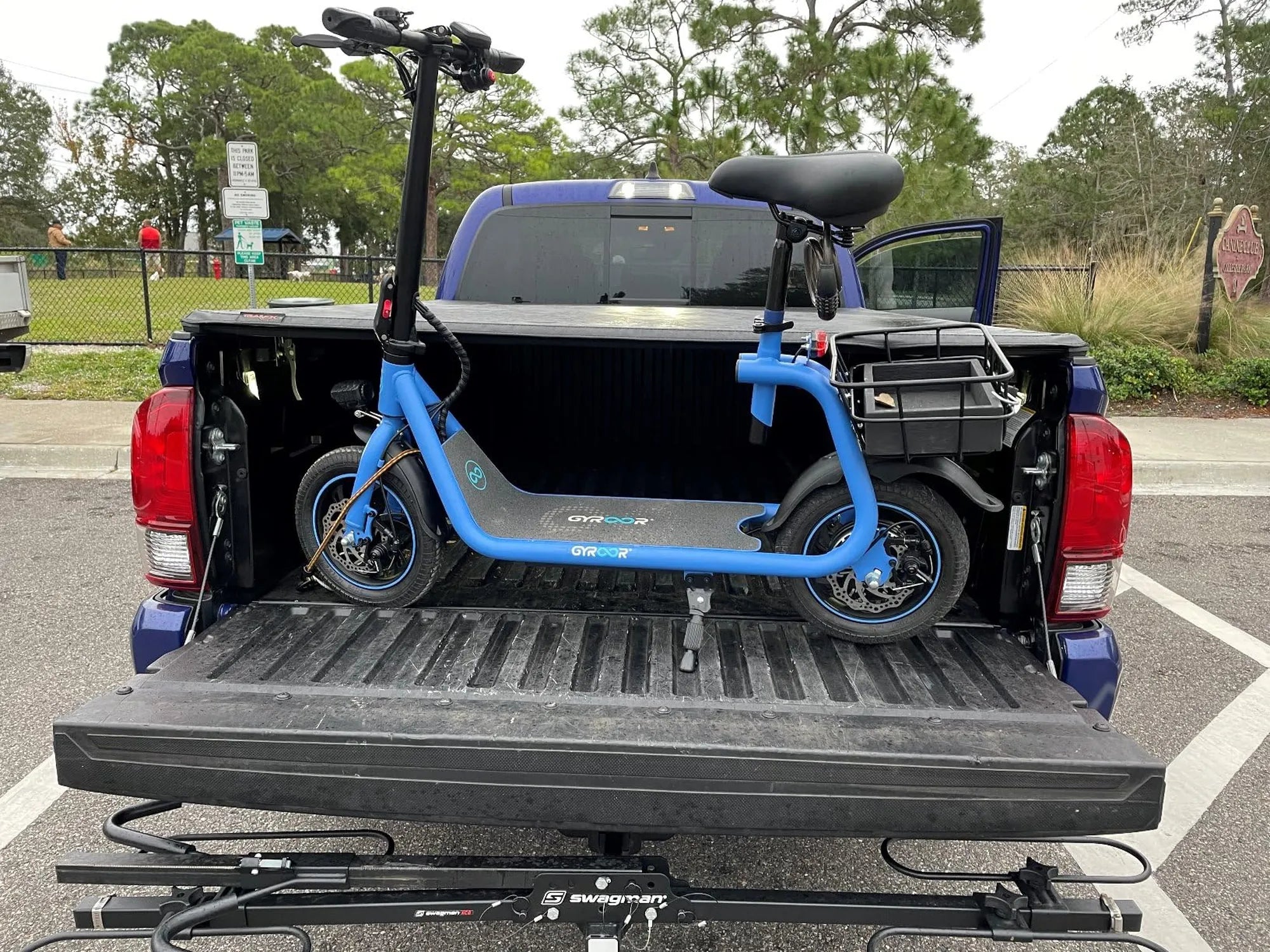
Electric scooters have become a popular mode of urban transportation, offering convenience and eco-friendliness. But have you ever wondered, how much power does an electric scooter use? Understanding energy consumption can help riders optimize battery life, reduce costs, and make informed decisions. Let’s dive into the details.
Understanding Electric Scooter Power Consumption
Electric scooters rely on rechargeable batteries, typically lithium-ion, to power their motors. The amount of energy consumed depends on several factors, including motor size, rider weight, terrain, and speed. On average, an electric scooter uses between 250 to 500 watts per hour under normal riding conditions.
Factors Affecting Power Usage
1. Motor Power and Efficiency
The motor is the heart of an electric scooter, and its wattage directly impacts energy consumption. Higher-wattage motors (e.g., 500W or more) deliver better performance but drain the battery faster. Conversely, lower-wattage motors (e.g., 250W) are more energy-efficient but may struggle on inclines.
2. Battery Capacity
Battery capacity, measured in watt-hours (Wh), determines how much energy the scooter can store. A larger battery provides a longer range but may take longer to charge. For example, a 300Wh battery can theoretically power a 300W motor for one hour.
3. Rider Weight and Payload
Heavier riders require more energy to accelerate and maintain speed. Carrying additional weight, such as backpacks or groceries, also increases power consumption.
4. Terrain and Riding Conditions
Riding uphill or on rough terrain demands more power than cruising on flat, smooth surfaces. Frequent stops and starts in urban traffic can also reduce efficiency.
5. Speed and Riding Style
Higher speeds exponentially increase energy usage due to air resistance. Aggressive acceleration and braking further drain the battery.
Calculating Energy Consumption
To estimate how much power your scooter uses, use this simple formula:
Power Consumption (Wh) = Motor Power (W) × Riding Time (h)For example, a 350W motor running for 1.5 hours consumes approximately 525Wh. Divide this by the battery’s voltage to find the ampere-hours (Ah) used.
Tips to Maximize Efficiency
- Maintain Optimal Tire Pressure: Underinflated tires increase rolling resistance, reducing range.
- Ride at Moderate Speeds: Avoiding top speeds conserves energy.
- Plan Efficient Routes: Minimize hills and stops to extend battery life.
- Charge Smartly: Avoid overcharging or letting the battery drain completely.
Comparing Electric Scooters to Other Transport
Electric scooters are far more energy-efficient than cars or motorcycles. A typical scooter uses about 10-30 Wh per mile, while a car consumes over 250 Wh per mile. This makes scooters a sustainable choice for short commutes.
Future of Electric Scooter Energy Efficiency
Advancements in battery technology, regenerative braking, and lightweight materials promise even greater efficiency. As cities embrace micromobility, understanding power usage will help riders and policymakers optimize infrastructure.
Now that you know how much power an electric scooter uses, you can ride smarter and extend your scooter’s range effortlessly. Whether you’re a daily commuter or a weekend explorer, mastering energy consumption ensures a smoother, greener ride.
Brand New Electric Scooters for 350 or Less: Affordable and Efficient Commuting
Balance Board Scooter with Bluetooth: The Ultimate Guide to Smart Mobility