



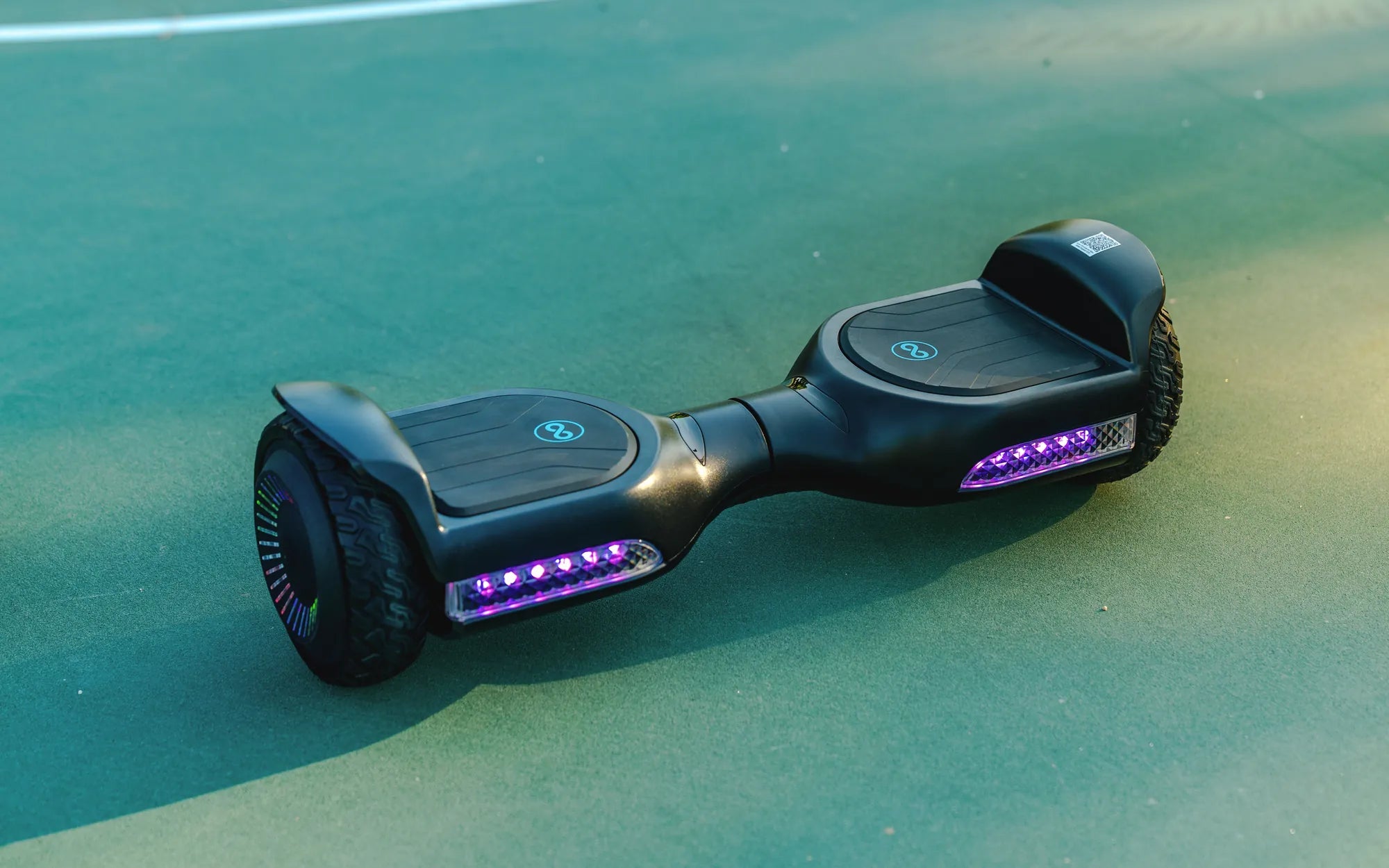
Hoverboards have taken the world by storm, offering a futuristic way to zip around town. But before you or your child hops on one, it's crucial to know: how old do you have to be to use a hoverboard? The answer isn't as straightforward as you might think, blending safety concerns, manufacturer recommendations, and local laws. Let's dive into the details to ensure a smooth and safe ride.
Understanding Hoverboard Age Recommendations
Most hoverboard manufacturers suggest a minimum age of 8 years old for riders. This guideline is based on the average child's balance, coordination, and ability to follow safety instructions. However, age isn't the only factor—weight and maturity play significant roles too. Hoverboards typically support riders between 44 to 220 pounds (20 to 100 kg), so it's essential to check the specific model's limits.
Why Age Matters for Hoverboard Safety
Younger children may lack the reflexes and judgment needed to navigate obstacles or react to sudden changes in terrain. Hoverboards require:
- Core strength to maintain balance
- Quick decision-making to avoid hazards
- Understanding of speed control and braking
Without these skills, the risk of falls and injuries increases significantly.
Legal Age Restrictions for Hoverboards
Some regions have laws governing hoverboard use, including age limits. For example:
- United States: No federal age limit, but some states or cities may restrict use under a certain age
- United Kingdom: Illegal to ride on public roads or sidewalks, regardless of age
- Australia: Banned in some states for all ages
Always check local regulations before purchasing or riding a hoverboard.
Safety Gear: Non-Negotiable for All Ages
Regardless of age, proper safety gear is a must. Every rider should wear:
- A certified helmet
- Wrist guards
- Knee and elbow pads
- Closed-toe shoes
This protective equipment can prevent serious injuries during falls, which are common when learning to ride.
Supervision for Younger Riders
If you allow a child under 12 to use a hoverboard, constant adult supervision is essential. Choose:
- Flat, smooth surfaces away from traffic
- Daylight hours with good visibility
- Areas free of obstacles like rocks or potholes
Consider starting with training mode if the hoverboard has this feature, which limits speed for beginners.
Signs Your Child Is Ready for a Hoverboard
Beyond age, look for these indicators of hoverboard readiness:
- Demonstrates good balance on bicycles or scooters
- Follows safety instructions consistently
- Shows awareness of their surroundings
- Expresses genuine interest in learning
If your child checks these boxes, they might be prepared for hoverboard fun—with proper precautions.
Alternative Options for Younger Children
For kids too young for standard hoverboards, consider:
- Three-wheeled balance scooters
- Push-powered scooters
- Training-wheel equipped hoverboards (if available)
These options allow younger children to develop balance skills safely before transitioning to a traditional hoverboard.
Maintenance and Battery Safety
Proper hoverboard care is crucial for safe operation at any age:
- Regularly check for loose parts
- Monitor battery temperature during charging
- Store in a cool, dry place
- Follow manufacturer charging instructions precisely
These practices reduce fire risks and ensure optimal performance.
Hoverboards offer exhilarating mobility, but safety should always come first. By understanding age recommendations, local laws, and necessary precautions, you can make informed decisions about hoverboard use for your family. Whether you're 8 or 80, the key to hoverboard enjoyment lies in respecting its capabilities and limitations—strap on that helmet and ride smart!
Hoverboard Price for Adults: What You Need to Know Before Buying
Hoverboard Price for Adults: What You Need to Know Before Buying