

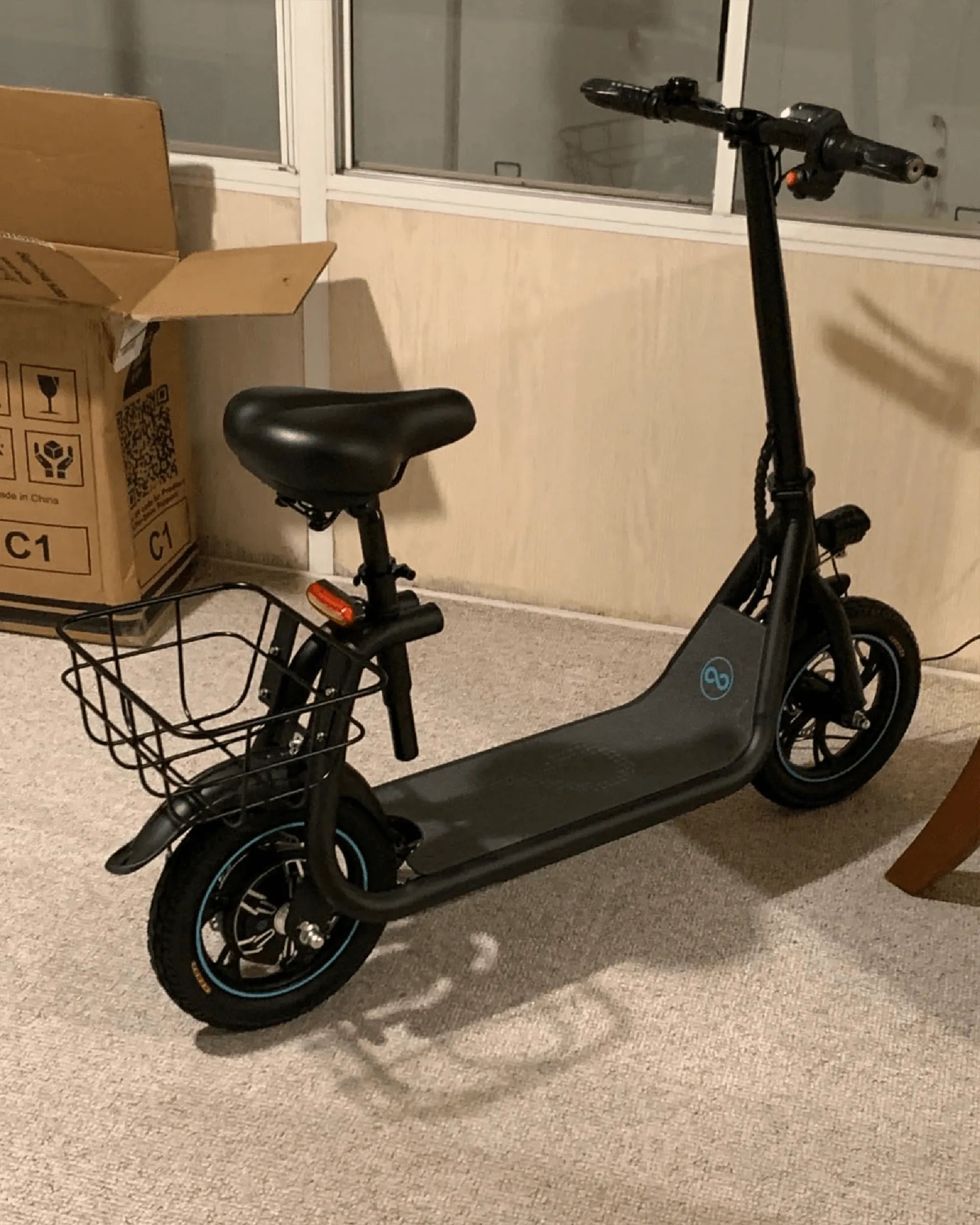
Riding an electric scooter is a breeze until the brakes start acting up. Squeaky, loose, or unresponsive disc brakes can turn your smooth ride into a nightmare. But don’t worry—adjusting disc brakes on an electric scooter is easier than you think. Whether you’re a beginner or a seasoned rider, this step-by-step guide will help you fine-tune your brakes for a safer and more enjoyable ride.
Why Adjusting Your Disc Brakes Matters
Disc brakes are essential for maintaining control and safety on your electric scooter. Over time, wear and tear can cause the brakes to lose their effectiveness. Misaligned or loose brakes can lead to longer stopping distances, uneven wear, and even accidents. Regular adjustments ensure your scooter stops smoothly and efficiently, giving you peace of mind on every ride.
Tools You’ll Need
Before diving into the adjustment process, gather the following tools:
- Hex key set (Allen wrenches)
- Adjustable wrench or spanner
- Clean cloth or paper towels
- Isopropyl alcohol (for cleaning)
- Brake pad spacer (optional)
Step 1: Inspect the Brake System
Start by examining your scooter’s disc brakes. Look for signs of wear on the brake pads, such as thinning or uneven surfaces. Check the rotor (the metal disc) for warping, scratches, or dirt buildup. If the rotor is bent or the pads are worn out, you may need to replace them before adjusting.
Step 2: Clean the Rotor and Brake Pads
Dirt, oil, or debris on the rotor or pads can reduce braking performance. Use isopropyl alcohol and a clean cloth to wipe down the rotor thoroughly. If the brake pads are contaminated, gently sand them with fine-grit sandpaper to remove any glazing or residue.
Step 3: Loosen the Brake Caliper
Locate the bolts securing the brake caliper to the scooter’s frame. Use a hex key to loosen them slightly—just enough to allow the caliper to move. Avoid removing the bolts completely, as this can misalign the caliper.
Step 4: Align the Caliper with the Rotor
Squeeze the brake lever to position the caliper over the rotor. While holding the lever, tighten the caliper bolts evenly. This ensures the caliper is centered over the rotor, preventing rubbing or uneven pad contact.
Step 5: Adjust the Brake Pads
If your scooter has mechanical disc brakes, you may need to adjust the pad position manually. Turn the adjustment knob or use an Allen wrench to move the pads closer to or farther from the rotor. Aim for a small gap (about 1mm) between the pad and rotor when the brake is released.
Step 6: Test the Brakes
Spin the scooter’s wheel to check for any rubbing or resistance. If the rotor drags against the pads, loosen the caliper bolts slightly and realign. Once the wheel spins freely, test the brakes by squeezing the lever. They should engage smoothly without excessive force.
Step 7: Fine-Tune the Brake Lever
Some scooters allow you to adjust the brake lever’s reach or tension. Locate the adjustment screw on the lever and turn it to your preferred setting. A shorter reach can improve responsiveness, while a longer reach may suit riders with larger hands.
Maintenance Tips for Long-Lasting Brakes
- Check brake pads regularly and replace them when worn.
- Keep the rotor clean and free of oil or debris.
- Avoid harsh braking to reduce wear on the pads and rotor.
- Lubricate the brake lever pivot point occasionally to ensure smooth operation.
With these adjustments, your electric scooter’s disc brakes will perform like new. A well-tuned braking system not only enhances safety but also extends the life of your scooter. Ready to hit the road with confidence? Follow these steps, and you’ll enjoy a smoother, safer ride every time.
Electric Scooter Price Spain: A Comprehensive Guide to Costs and Savings
Must Have Electric Scooter Accessories for a Safer and Smoother Ride