


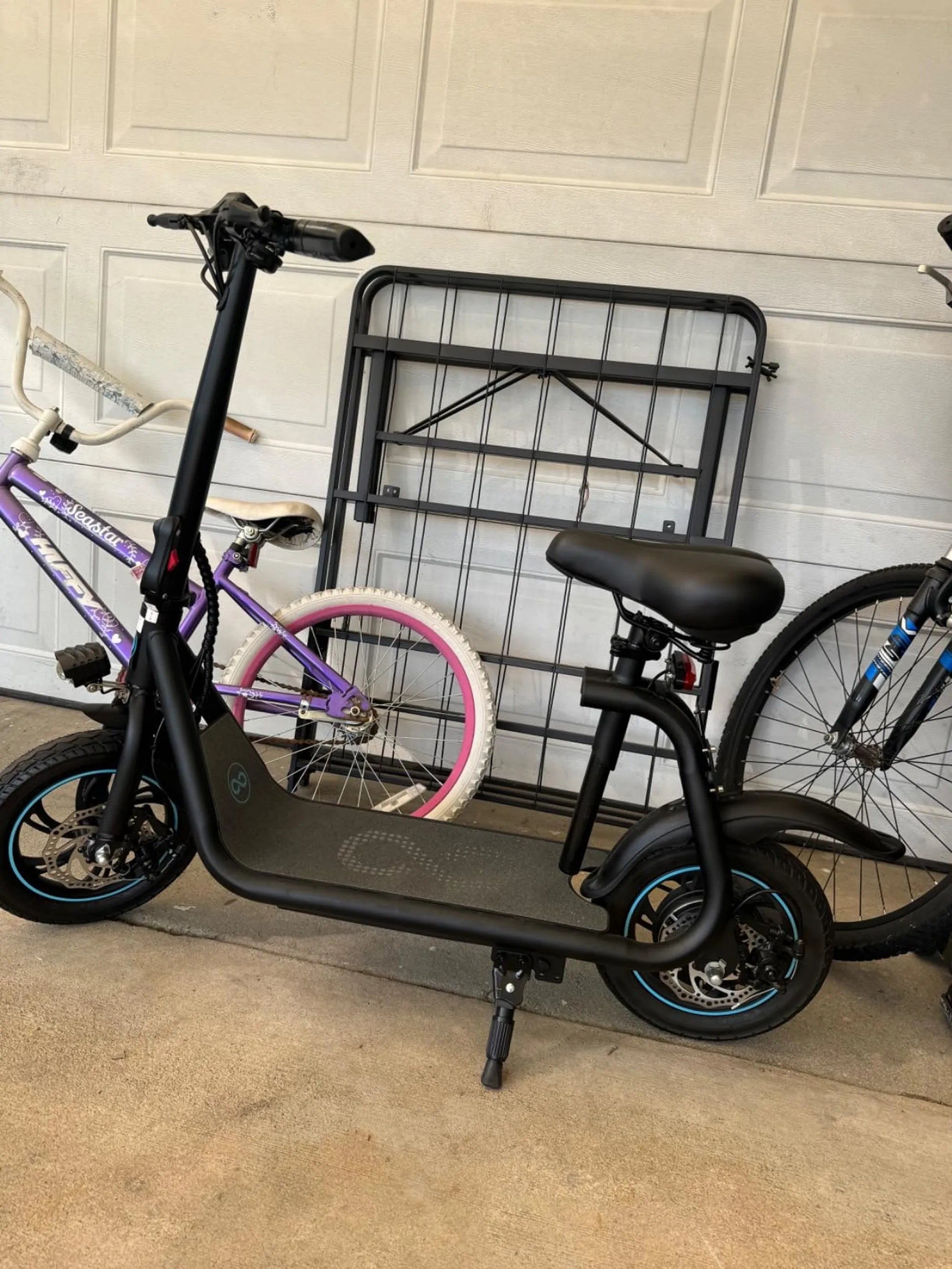
Imagine gliding effortlessly through your neighborhood on a self-balancing electric scooter you built with your own hands. This futuristic personal transporter isn't just for store-bought models - with the right knowledge and components, you can create your own custom version that perfectly suits your needs. Building a self-balancing electric scooter combines mechanical engineering, electronics, and programming into one exciting DIY project that will give you serious bragging rights.
The Science Behind Self-Balancing Technology
Before diving into construction, it's crucial to understand how self-balancing technology works. These scooters maintain equilibrium through a combination of sensors, microprocessors, and motors working in perfect harmony. The key components that make this possible are:
- Gyroscopic sensors that detect tilt and orientation
- Accelerometers that measure movement and acceleration
- A control board that processes sensor data in real-time
- Powerful electric motors that respond to balance corrections
When you lean forward, the sensors detect this change in center of gravity and instruct the motors to move forward to compensate. This continuous feedback loop creates the magical self-balancing effect that makes these scooters so intuitive to ride.
Essential Components for Your Build
Gathering the right components is the foundation of your self-balancing scooter project. Here's what you'll need to source before beginning assembly:
| Component | Purpose | Specifications to Consider |
|---|---|---|
| Frame | Structural foundation | Lightweight yet durable material like aluminum |
| Wheels | Mobility | 8-10 inch diameter with good traction |
| Motors | Propulsion | Brushless DC motors with sufficient torque |
| Battery | Power source | Lithium-ion with proper voltage and capacity |
| Control Board | Brain of the scooter | Must support gyroscopic balancing algorithms |
| Sensors | Balance detection | IMU (Inertial Measurement Unit) with gyro and accelerometer |
Quality components will ensure better performance and safety, so don't cut corners when sourcing these essential parts. Consider creating a custom enclosure for electronics to protect them from the elements and potential impacts.
Step-by-Step Assembly Process
With all components gathered, it's time to begin the exciting assembly process. Follow these steps carefully to ensure proper functionality:
- Frame Construction: Assemble the main frame, ensuring it's sturdy enough to support your weight while remaining lightweight. Include mounting points for all components.
- Motor Installation: Mount the motors to the wheel hubs or directly to the frame, depending on your design. Ensure proper alignment for smooth operation.
- Electronic Assembly: Install the control board, sensors, and wiring harness. Pay special attention to sensor placement - they must be securely mounted and properly oriented.
- Power System: Connect the battery to the control board with appropriate fuses or circuit protection. Implement a charging port that's easily accessible but protected from moisture.
- Foot Platform: Attach the standing platform with non-slip surface material. Ensure it's wide enough for comfortable riding but not so wide it affects maneuverability.
Throughout assembly, regularly check that all fasteners are tight and wires are properly routed to avoid pinching or damage. Consider adding cable management solutions to keep everything organized.
Programming and Calibration
The magic happens in the software. Programming your self-balancing scooter requires:
- Implementing a PID (Proportional-Integral-Derivative) control algorithm
- Calibrating sensor offsets and motor responses
- Setting appropriate speed limits and safety parameters
- Creating user controls for power and possibly Bluetooth connectivity
Calibration is particularly crucial for proper balancing. This process involves:
- Placing the scooter on a perfectly level surface
- Running calibration routines to establish neutral positions
- Testing responsiveness with slight tilts
- Adjusting PID constants for optimal stability
Be prepared to spend significant time tweaking these settings - perfect balance requires patience and fine-tuning. Consider implementing a learning mode that adapts to your riding style over time.
Safety Considerations and Testing
Before taking your first ride, prioritize safety with these precautions:
- Wear proper protective gear including helmet, knee pads, and elbow pads
- Test in a controlled environment away from traffic or obstacles
- Implement emergency stop functionality
- Check all electrical connections for potential shorts
- Monitor battery temperature during initial use
Begin testing by holding onto a stable support while powering on the scooter. Gradually shift your weight to understand its response characteristics. As you gain confidence, try brief periods of unsupported riding in a safe area.
Customization and Advanced Features
Once you've mastered the basics, consider enhancing your creation with:
- LED lighting systems for visibility and style
- Mobile app connectivity for settings adjustment
- Regenerative braking to extend battery life
- Custom paint or decals for personalization
- Additional sensors for terrain adaptation
These upgrades can transform your functional prototype into a truly unique personal transporter that reflects your personality and meets your specific needs.
The satisfaction of riding a self-balancing electric scooter you built yourself is unparalleled. Not only will you have an eco-friendly way to zip around town, but you'll also gain valuable skills in mechatronics and embedded systems. Who knows - this project might just be the beginning of your journey into personal electric vehicle design!
1600W Electric Scooter Parts: The Ultimate Guide to Performance and Upgrades
Electric Scooter Derestrict: How to Unlock Your Scooter's Full Potential