

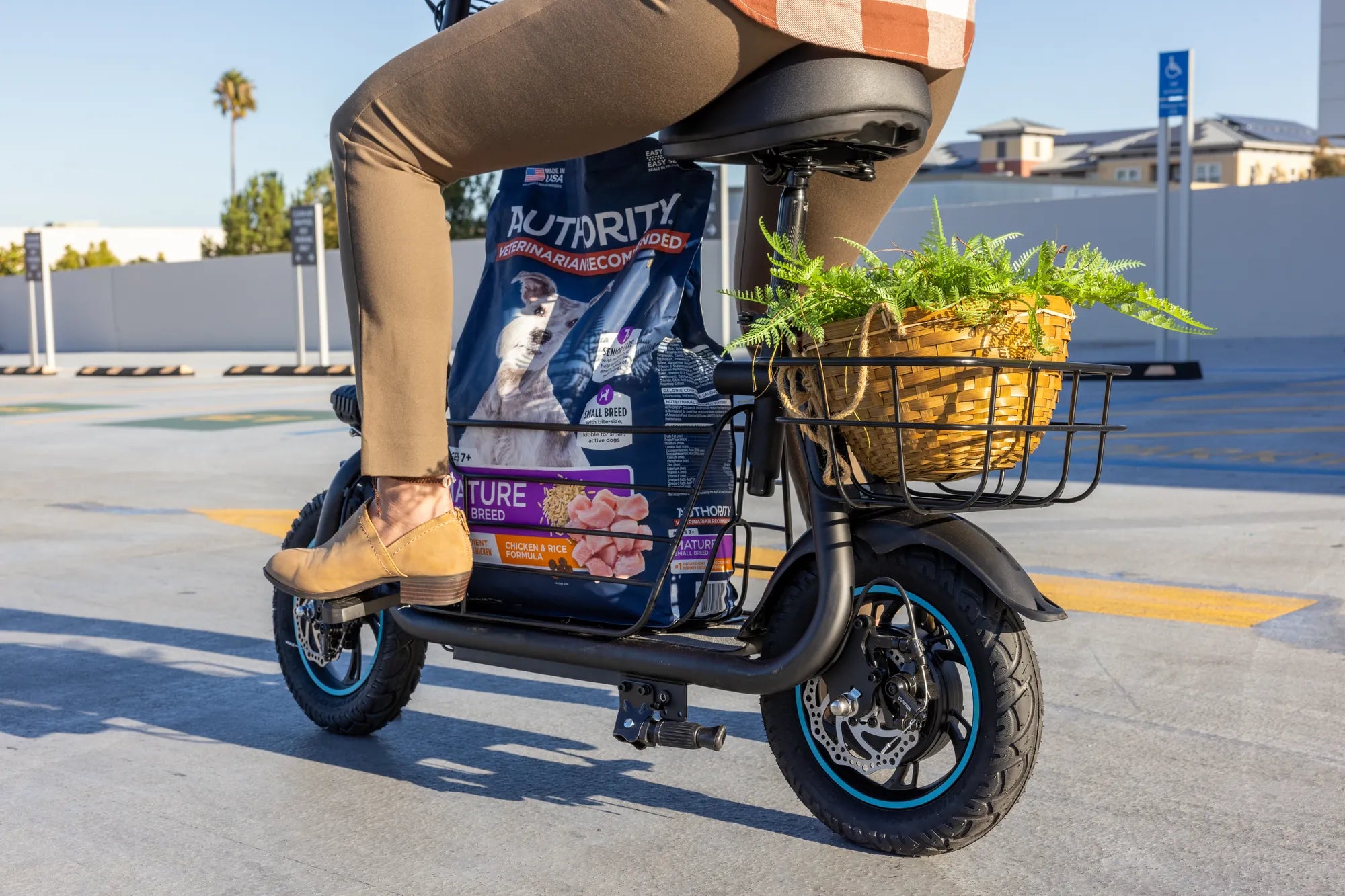
Electric scooters have become a popular mode of transportation, offering convenience and eco-friendliness. But one of the most common questions riders have is: how to calculate mileage of electric scooter? Understanding your scooter's range is crucial for planning trips and avoiding unexpected battery drain. In this guide, we'll break down the process step by step and share tips to get the most out of your ride.
Understanding Electric Scooter Mileage
Mileage, or range, refers to the distance an electric scooter can travel on a single charge. Unlike fuel-powered vehicles, electric scooters rely on battery capacity, motor efficiency, and other factors to determine their range. Calculating mileage isn't just about the battery—it's about how you ride and maintain your scooter.
Factors Affecting Electric Scooter Mileage
Several variables influence how far your scooter can go:
- Battery Capacity: Measured in watt-hours (Wh), this indicates how much energy the battery can store.
- Motor Power: Higher wattage motors consume more energy, reducing range.
- Rider Weight: Heavier riders require more power, decreasing mileage.
- Terrain: Hills and rough surfaces drain the battery faster.
- Speed: Riding at top speed consistently lowers efficiency.
- Tire Pressure: Underinflated tires increase rolling resistance.
- Weather: Cold temperatures can reduce battery performance.
How to Calculate Mileage of Electric Scooter
Follow these steps to estimate your scooter's range:
Step 1: Check the Battery Capacity
Look for the battery's watt-hour (Wh) rating. If it's not listed, you can calculate it using the formula:
Battery Capacity (Wh) = Voltage (V) × Amp-Hours (Ah)
Step 2: Determine Energy Consumption
Most electric scooters consume between 10-30 watt-hours per mile (Wh/mi). Check your scooter's manual for specifics or use an average of 20 Wh/mi for estimation.
Step 3: Calculate Theoretical Range
Divide the battery capacity by the energy consumption:
Theoretical Range (miles) = Battery Capacity (Wh) / Energy Consumption (Wh/mi)
Step 4: Adjust for Real-World Conditions
Multiply the theoretical range by an efficiency factor (usually 0.6 to 0.8) to account for variables like terrain and rider weight.
Real-World Range = Theoretical Range × Efficiency Factor
Tips to Maximize Your Electric Scooter's Mileage
- Maintain proper tire pressure to reduce rolling resistance.
- Avoid excessive acceleration and top-speed riding.
- Use eco mode if your scooter has one.
- Charge the battery fully before long trips.
- Store the scooter in a cool, dry place to preserve battery life.
Common Mistakes When Calculating Mileage
Many riders overlook key factors, leading to inaccurate range estimates. Avoid these pitfalls:
- Ignoring rider weight and cargo load.
- Assuming the manufacturer's range is achievable in all conditions.
- Forgetting to account for battery degradation over time.
Tracking Your Scooter's Mileage Over Time
To get a more accurate sense of your scooter's real-world range, keep a log of your rides. Note the distance traveled, battery level before and after, and riding conditions. Over time, you'll develop a reliable estimate.
Now that you know how to calculate mileage of electric scooter, you can ride with confidence and plan your trips more effectively. Whether you're commuting or exploring, understanding your scooter's range ensures you'll never be left stranded. Happy riding!
Smart Balance Scooter Battery Life: How to Maximize Your Ride
Electric Scooters and High-Tech Mopeds: The Future of Urban Mobility