

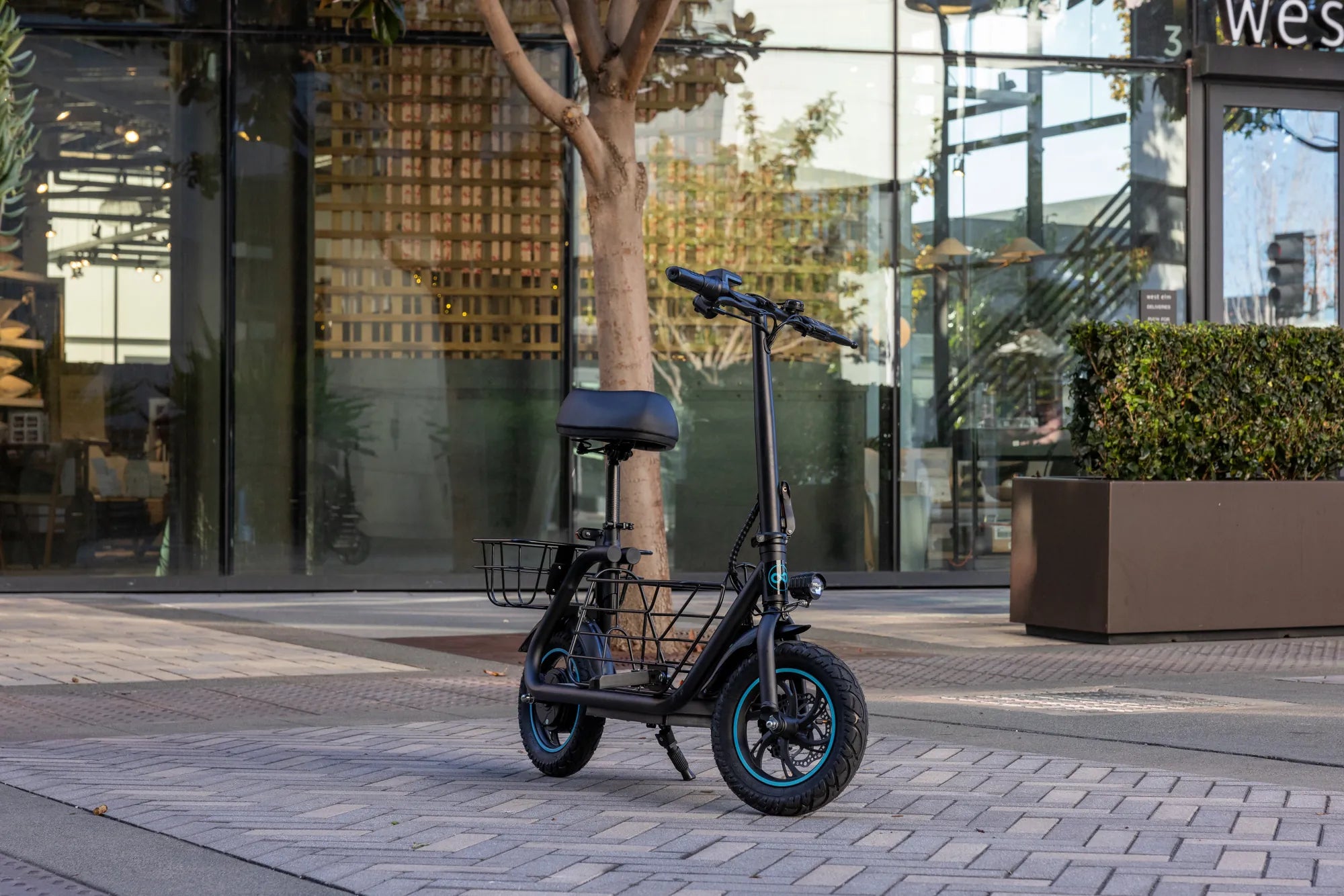
Electric bikes have revolutionized the way we commute, offering an eco-friendly and efficient alternative to traditional transportation. But the heart of any e-bike is its battery, and knowing how to care for it can make all the difference in performance and longevity. Whether you're a daily rider or a weekend adventurer, these tips will help you get the most out of your electric bike battery.
Understanding Your Electric Bike Battery
Electric bike batteries are typically lithium-ion, known for their high energy density and long cycle life. However, they require proper care to maintain their efficiency. Unlike traditional lead-acid batteries, lithium-ion batteries don't suffer from the memory effect, but they are sensitive to extreme temperatures and improper charging habits.
Optimal Charging Practices
One of the most critical aspects of battery care is how you charge it. Avoid letting your battery drain completely before recharging. Instead, aim to keep the charge level between 20% and 80% for daily use. Fully charging the battery to 100% occasionally is fine, but doing so regularly can shorten its lifespan.
Use the charger provided with your e-bike, as third-party chargers may not deliver the correct voltage or current. Always unplug the charger once the battery is fully charged to prevent overcharging, which can lead to overheating and reduced battery life.
Storage Tips for Longevity
If you plan to store your electric bike for an extended period, follow these guidelines to preserve battery health:
- Store the battery in a cool, dry place, ideally at a temperature between 50°F and 77°F (10°C to 25°C).
- Charge the battery to around 50% before storage. A fully charged or completely drained battery can degrade faster when unused.
- Check the battery charge every few months and top it up to 50% if it drops below 30%.
Temperature Considerations
Extreme temperatures are the enemy of lithium-ion batteries. Avoid exposing your battery to temperatures below freezing or above 104°F (40°C). In cold weather, the battery's performance may temporarily decrease, but it will return to normal once warmed up. In hot climates, store the bike in a shaded area and avoid leaving it in direct sunlight for prolonged periods.
Regular Maintenance and Cleaning
Keep the battery terminals clean and free from dirt or corrosion. Use a dry cloth to wipe the battery casing and connectors periodically. Avoid using water or harsh chemicals, as they can damage the battery. Inspect the battery for any signs of swelling, cracks, or leaks, and replace it immediately if you notice any abnormalities.
Riding Habits That Protect Your Battery
Your riding style can also impact battery life. Here are some habits to adopt:
- Use pedal-assist modes wisely. Higher assist levels drain the battery faster, so opt for lower levels when possible.
- Avoid sudden acceleration or heavy loads, as they put extra strain on the battery.
- Plan your routes to avoid excessive hills or rough terrain, which can deplete the battery more quickly.
When to Replace Your Battery
Even with the best care, all batteries eventually lose capacity over time. If you notice a significant drop in range or performance, it may be time to replace the battery. Most lithium-ion batteries last between 500 to 1,000 charge cycles, depending on usage and care.
By following these tips, you can maximize the lifespan of your electric bike battery and enjoy smoother, more reliable rides for years to come. A little attention goes a long way in keeping your e-bike running at its best!
Smart Fast Charger for Bike Battery: The Future of Efficient E-Bike Charging
Motorcycle Battery Bike for Child 10 Years: The Ultimate Guide for Parents