



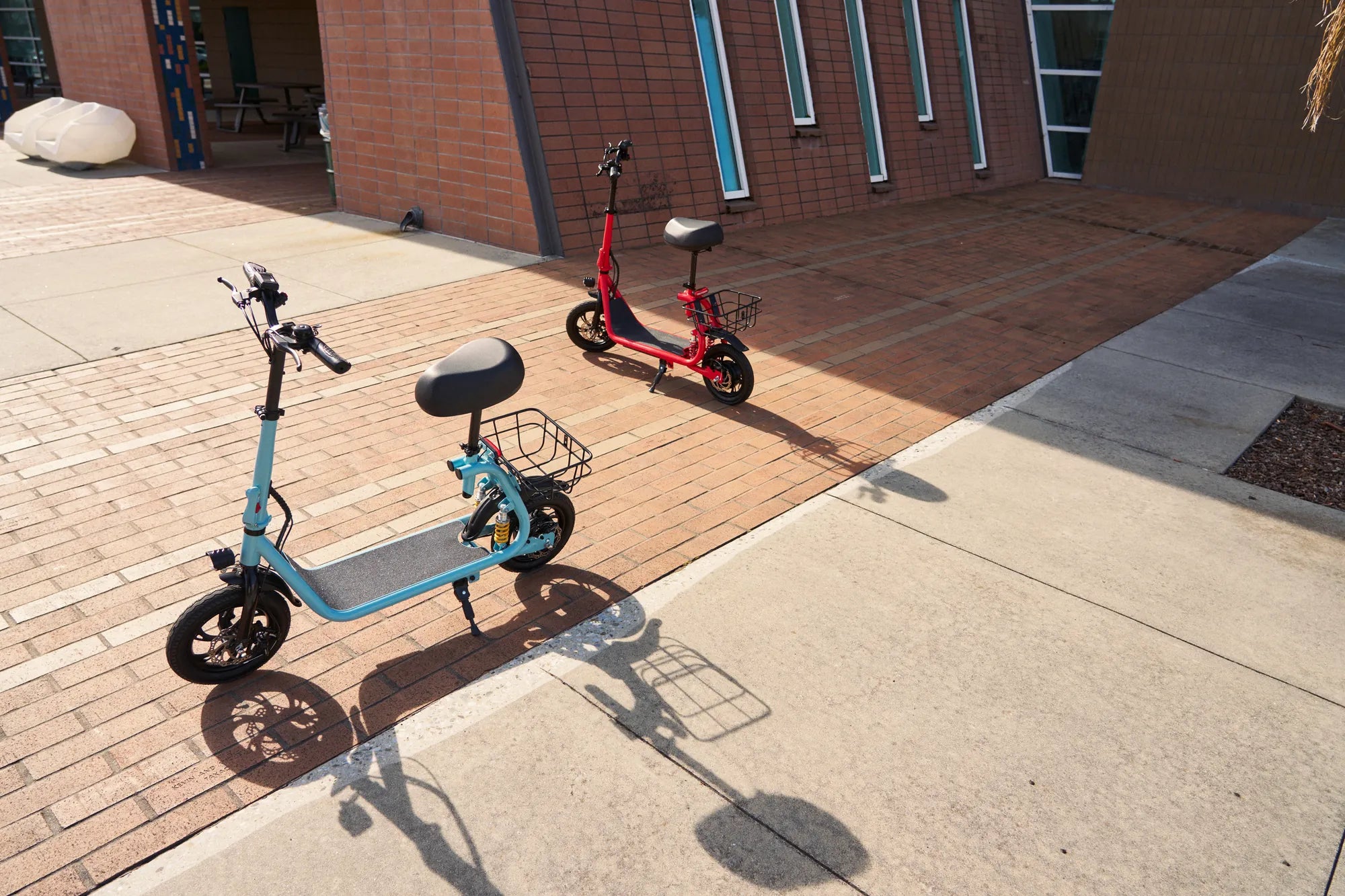
Electric scooters have become a popular mode of transportation, offering an eco-friendly and cost-effective way to get around. But to keep your e-scooter running smoothly, knowing how to charge e scooter at home properly is essential. Whether you're a new rider or a seasoned pro, this guide will walk you through the best practices for safe and efficient charging.
Understanding Your E-Scooter's Battery
Before diving into charging methods, it's important to understand the type of battery your e-scooter uses. Most modern e-scooters come with lithium-ion batteries, known for their long lifespan and quick charging capabilities. However, improper charging can reduce their efficiency over time.
Choosing the Right Power Source
Not all outlets are created equal when it comes to charging your e-scooter. Always use a dedicated wall outlet rather than an extension cord or power strip to avoid overheating. Ensure the voltage matches your charger's requirements to prevent damage.
Step-by-Step Charging Process
- Turn off your e-scooter before plugging in the charger.
- Connect the charger to the scooter's charging port securely.
- Plug the charger into a wall outlet and wait for the indicator light to confirm charging has begun.
- Monitor the charging process and unplug once fully charged to avoid overcharging.
Safety Tips for Charging at Home
Charging an e-scooter at home is generally safe, but precautions should always be taken:
- Never leave your e-scooter charging unattended for long periods.
- Avoid charging in extreme temperatures (too hot or too cold).
- Keep the charging area dry and free from flammable materials.
Extending Your Battery's Lifespan
To get the most out of your e-scooter's battery, follow these best practices:
- Avoid letting the battery drain completely before recharging.
- Store your e-scooter in a cool, dry place when not in use.
- Charge the battery to around 80% if you won’t be using the scooter for an extended period.
Common Charging Mistakes to Avoid
Many riders unknowingly make mistakes that can harm their e-scooter's battery. These include:
- Using a non-compatible charger.
- Charging immediately after a ride when the battery is still hot.
- Ignoring warning signs like unusual smells or overheating during charging.
Alternative Charging Solutions
If you don’t have access to a standard wall outlet, consider portable charging options or public charging stations. However, always ensure compatibility with your e-scooter's battery specifications.
Mastering how to charge e scooter at home not only keeps your rides smooth but also extends the life of your battery. By following these tips, you’ll enjoy longer rides and fewer charging headaches—so you can focus on the road ahead.
E Scooter 100 km Range: The Ultimate Guide to Long-Distance Electric Commuting
How to Do a Wheelie on an E-Scooter: A Step-by-Step Guide