


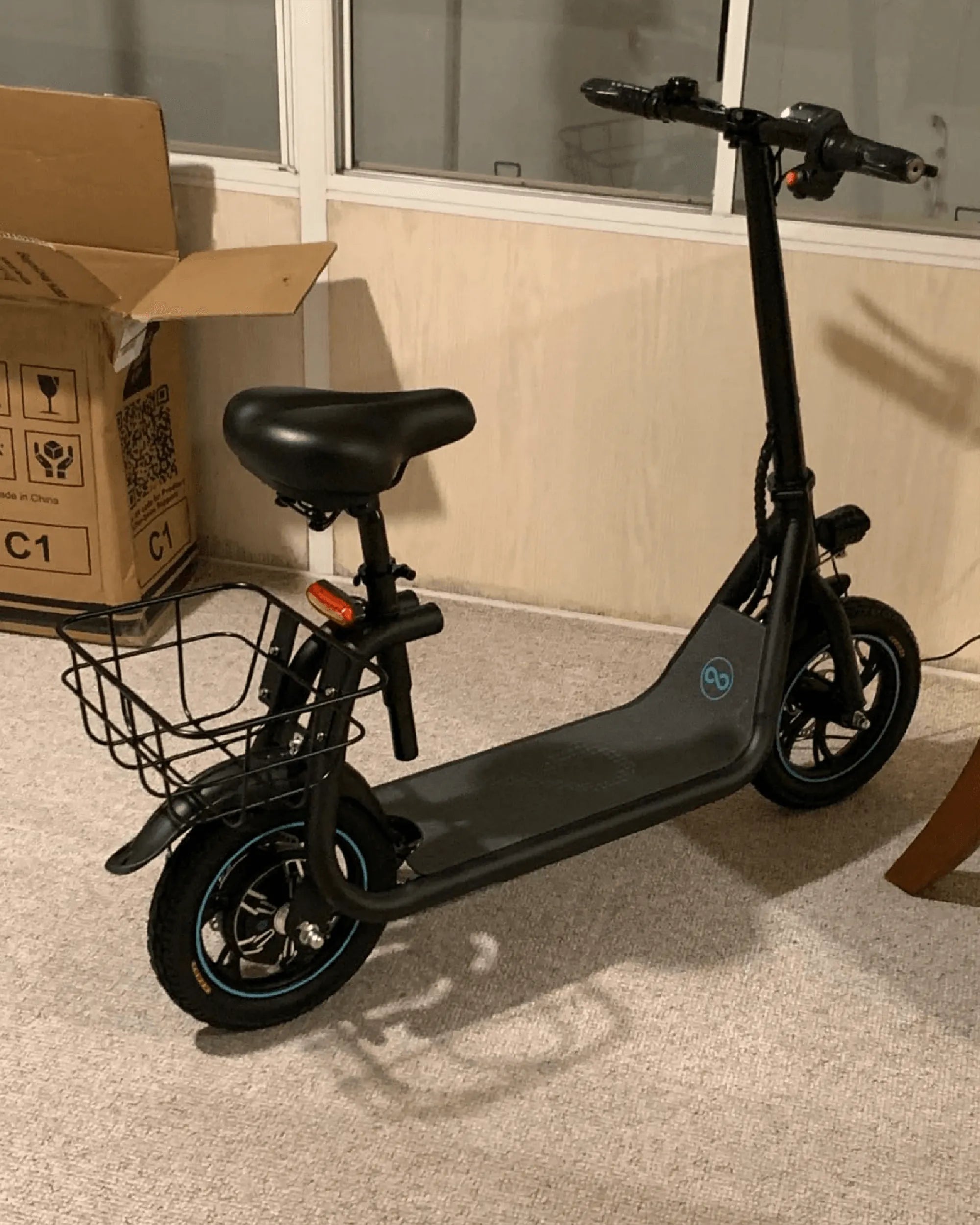
Electric scooters have become a popular mode of transportation, offering convenience and eco-friendly travel. However, the battery is the heart of your scooter, and its health directly impacts performance. If you've ever wondered how to check electric scooter battery health, you're in the right place. This guide will walk you through everything you need to know to keep your battery in top condition.
Why Battery Health Matters
The battery is the most critical component of an electric scooter. A healthy battery ensures longer rides, consistent speed, and overall reliability. On the other hand, a degraded battery can lead to reduced range, slower acceleration, and even sudden shutdowns. Regularly checking your battery health helps you avoid unexpected issues and prolongs its lifespan.
Signs of a Failing Battery
Before diving into technical checks, it's essential to recognize the warning signs of a deteriorating battery. Common symptoms include:
- Reduced range per charge
- Longer charging times
- Inconsistent power output
- Overheating during use or charging
- Swollen or damaged battery casing
If you notice any of these signs, it's time to inspect your battery more closely.
How to Check Electric Scooter Battery Health
There are several ways to assess your battery's condition, ranging from simple observations to advanced tools. Here are the most effective methods:
1. Monitor Voltage Levels
Voltage is a direct indicator of battery health. Most electric scooters display voltage on the dashboard or through a companion app. Compare the readings to the manufacturer's specifications. A significant drop in voltage under load suggests battery wear.
2. Check Charging Time
A healthy battery charges within the expected time frame. If your scooter takes much longer to charge or doesn't reach full capacity, the battery may be degrading. Keep track of charging times to spot irregularities.
3. Perform a Range Test
Fully charge your scooter and ride it under normal conditions until the battery depletes. Compare the distance covered to the scooter's advertised range. A noticeable reduction indicates battery wear.
4. Use a Battery Health App
Many modern scooters support apps that provide detailed battery diagnostics. These apps can show cycle counts, remaining capacity, and other vital metrics.
5. Inspect the Battery Physically
Look for visible damage, leaks, or swelling. A damaged battery is a safety hazard and should be replaced immediately.
Tips to Extend Battery Life
Once you've assessed your battery's health, follow these best practices to keep it in top shape:
- Avoid deep discharges—recharge before the battery drops below 20%.
- Store the scooter in a cool, dry place.
- Use the correct charger provided by the manufacturer.
- Limit exposure to extreme temperatures.
- Perform regular maintenance checks.
When to Replace Your Battery
Even with proper care, batteries degrade over time. If your scooter's range drops below 70% of its original capacity or shows signs of physical damage, it's time for a replacement. Continuing to use a failing battery can lead to safety risks and poor performance.
Keeping your electric scooter battery in peak condition doesn't have to be complicated. By following these steps, you can ensure a smooth ride and avoid costly repairs. Ready to take control of your scooter's battery health? Start monitoring today and enjoy worry-free rides for years to come.
Electric Bike for Adults with Basket: The Ultimate Urban Commuter Companion
Electric Scooter Under 3 Lakh: The Ultimate Guide to Affordable and Efficient Commuting