



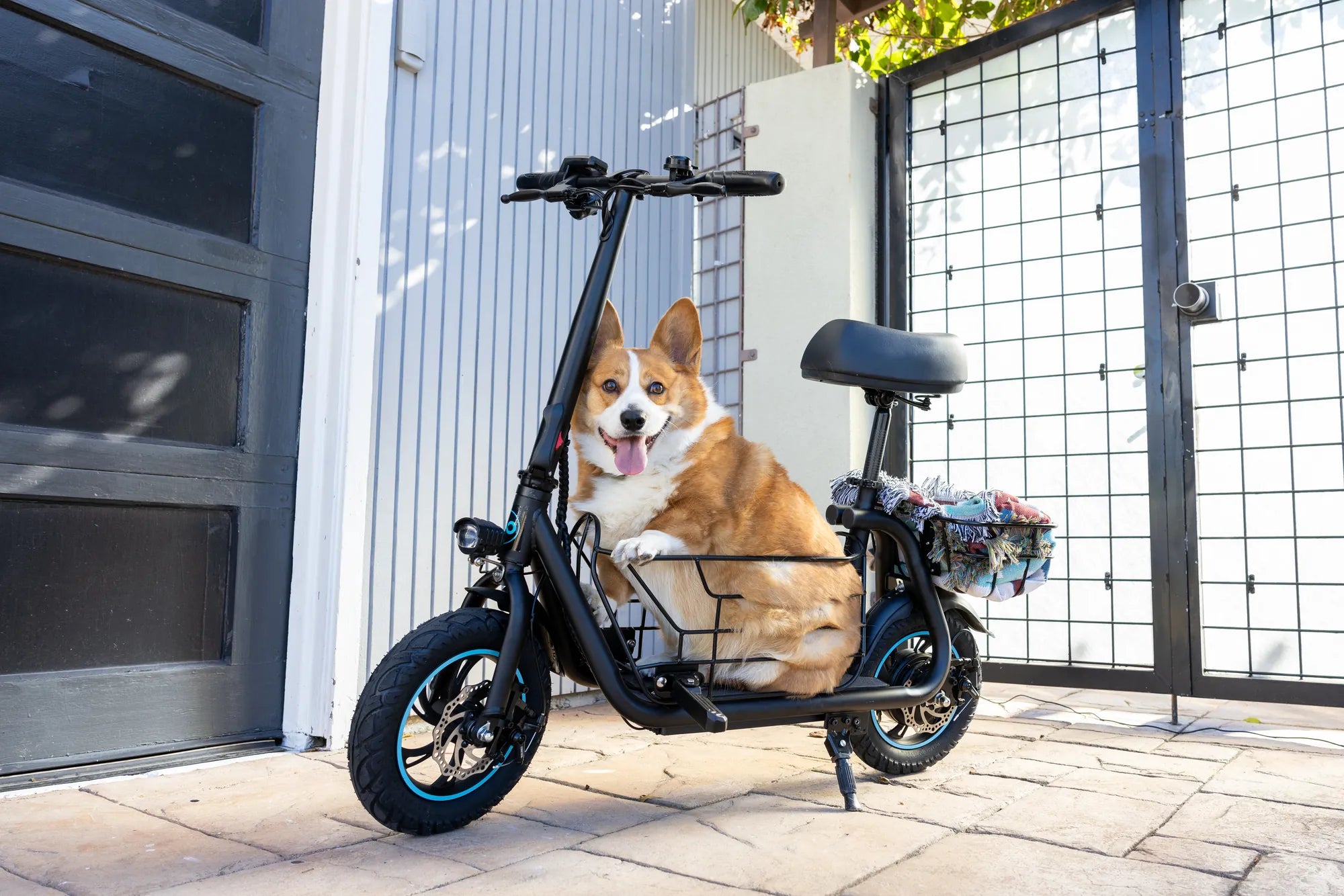
Electric scooters have become a popular mode of transportation, offering convenience and eco-friendly commuting. However, like any mechanical device, the motor—the heart of your scooter—requires regular checks to ensure optimal performance. If you've noticed strange noises, reduced speed, or power fluctuations, it might be time to inspect your electric scooter motor. Here's a detailed guide to help you diagnose and maintain it like a pro.
Understanding the Electric Scooter Motor
Before diving into diagnostics, it's crucial to understand how your electric scooter motor works. Most scooters use either a brushed or brushless motor, each with distinct characteristics. Brushless motors are more common due to their efficiency and durability, but both types require periodic inspection to prevent wear and tear.
Tools You'll Need
To properly check your electric scooter motor, gather the following tools:
- Multimeter
- Screwdrivers (Phillips and flathead)
- Wrench set
- Cleaning brush
- Lubricant (if applicable)
Step-by-Step Motor Inspection
1. Visual Inspection
Start by examining the motor for visible damage, such as cracks, loose wires, or corrosion. Pay close attention to the connections and housing. If you spot frayed wires or burnt components, these could indicate electrical issues.
2. Listen for Unusual Noises
Turn on your scooter and listen for grinding, squeaking, or clicking sounds. Unusual noises often point to bearing wear, misalignment, or debris inside the motor. If the sound persists, further disassembly may be necessary.
3. Check Motor Resistance with a Multimeter
Set your multimeter to measure resistance (ohms). Disconnect the motor from the scooter and test the terminals. A reading outside the manufacturer's specified range suggests internal damage or short circuits.
4. Test Voltage Output
Reconnect the motor and measure the voltage while the scooter is running. Low voltage could indicate a failing battery or controller, while erratic readings may signal wiring problems.
5. Inspect the Brushes (For Brushed Motors)
If your scooter has a brushed motor, check the carbon brushes for wear. Replace them if they're shorter than the recommended length to prevent motor failure.
6. Clean and Lubricate
Dirt and dust can hinder motor performance. Use a soft brush to clean the exterior and apply lubricant to moving parts if needed—avoid over-lubrication, as excess grease can attract debris.
Common Motor Problems and Fixes
- Overheating: Ensure proper ventilation and avoid overloading the scooter.
- Power Loss: Check battery health and controller connections.
- Strange Vibrations: Inspect for loose components or unbalanced wheels.
When to Seek Professional Help
If your motor fails basic tests or shows signs of severe damage, consult a technician. Attempting complex repairs without expertise can worsen the issue or void warranties.
Regular motor checks can extend your electric scooter's lifespan and save you from costly repairs. By following these steps, you'll keep your ride running smoothly and safely. Don't wait for a breakdown—inspect your motor today and enjoy a hassle-free commute!
How Fast Does a 1000W Electric Bike Go: Speed, Performance, and Factors
Best Design E-Scooter: The Ultimate Blend of Style and Functionality