



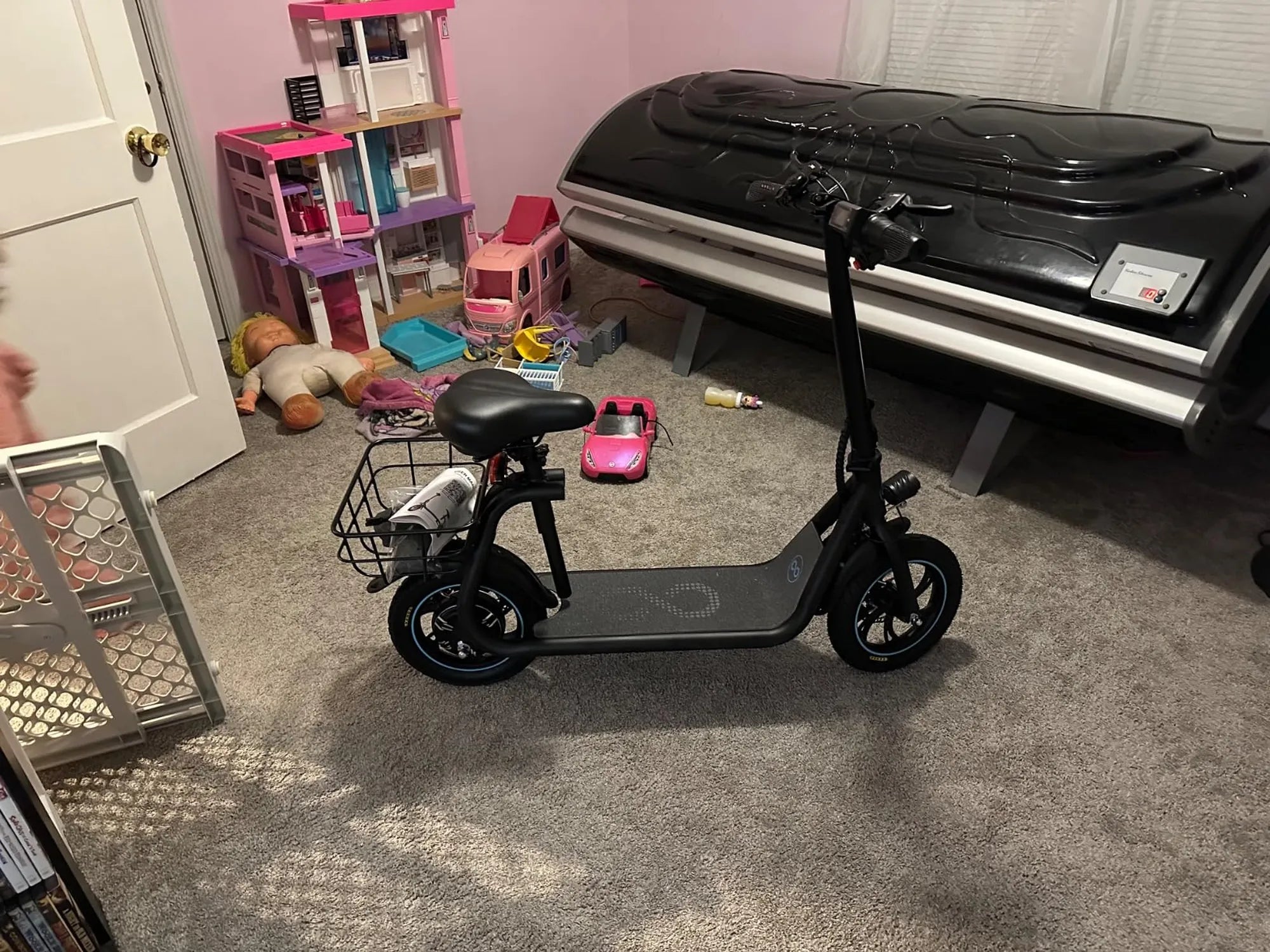
Electric scooters have become a popular mode of transportation, offering convenience and eco-friendly travel. However, ensuring your scooter's battery is properly connected is crucial for performance and safety. Whether you're replacing an old battery or setting up a new one, this guide will walk you through the process step by step.
Understanding Electric Scooter Battery Basics
Before diving into the connection process, it's important to understand the basics of electric scooter batteries. Most modern scooters use lithium-ion batteries due to their high energy density and long lifespan. These batteries come in various configurations, including series and parallel connections, which affect voltage and capacity.
Always check your scooter's manual for specific battery requirements. Using the wrong type or improperly connecting the battery can lead to poor performance or even safety hazards.
Tools and Safety Precautions
Gather the necessary tools before starting:
- Insulated screwdrivers
- Wire strippers
- Multimeter
- Protective gloves and goggles
Safety is paramount when working with batteries. Ensure the scooter is turned off and disconnected from any power source. Work in a well-ventilated area to avoid exposure to harmful fumes, and keep flammable materials away.
Step-by-Step Guide to Connecting Electric Scooter Batteries
Step 1: Locate the Battery Compartment
Most electric scooters have a designated battery compartment, usually under the deck or within the stem. Remove the cover carefully using the appropriate tools.
Step 2: Identify the Battery Terminals
Batteries have positive (+) and negative (-) terminals. These are often marked, but if unsure, consult the manual. Use a multimeter to verify the polarity if needed.
Step 3: Connect the Battery Wires
Match the positive wire from the scooter to the battery's positive terminal and the negative wire to the negative terminal. Secure the connections with screws or connectors, ensuring they are tight and free from corrosion.
Step 4: Test the Connection
Before reassembling, turn on the scooter briefly to check if the battery is functioning. Use the multimeter to confirm the voltage matches the battery's specifications.
Step 5: Secure the Battery
Once confirmed, place the battery back into its compartment and secure it properly. Reattach the cover and ensure all screws are tightened.
Common Mistakes to Avoid
Connecting batteries incorrectly can lead to issues such as short circuits or reduced lifespan. Avoid these common mistakes:
- Reversing the polarity
- Using damaged wires or connectors
- Over-tightening terminal screws
Maintenance Tips for Longevity
Proper maintenance extends your battery's life. Keep the terminals clean, avoid overcharging, and store the scooter in a cool, dry place. Regularly check the connections for signs of wear or corrosion.
By following these steps, you can ensure your electric scooter runs smoothly and efficiently. A well-connected battery not only enhances performance but also keeps you safe on the road. Ready to hit the streets with confidence? Your scooter is now powered up and ready to go!
How to Make Electric Scooter Battery: A Step-by-Step Guide
My Electric Scooter Won't Turn On: Troubleshooting and Fixes