

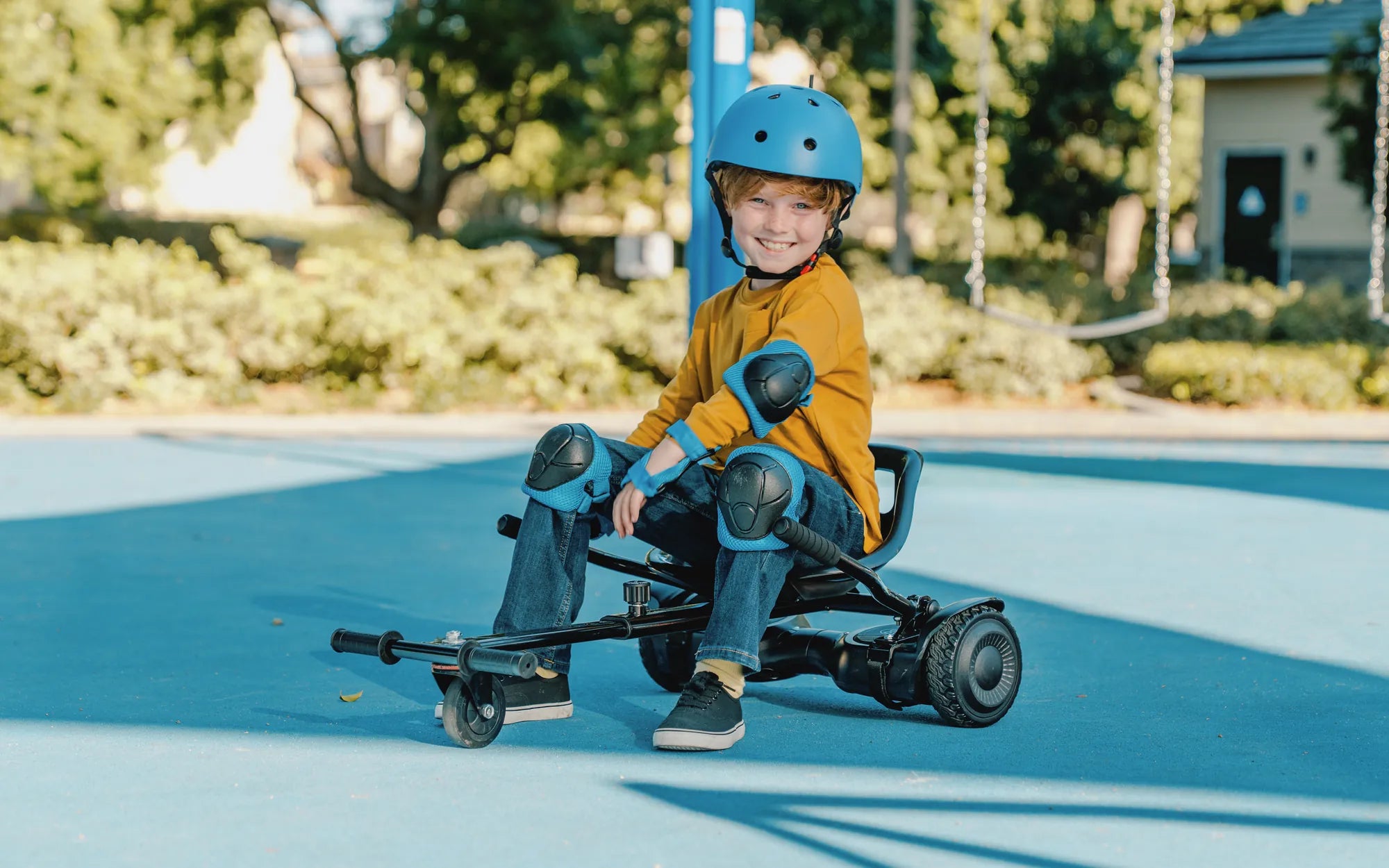
Ever watched someone glide effortlessly on a hoverboard and wondered how they make it look so easy? The secret lies in understanding the fundamentals of balance, weight distribution, and subtle body movements. Whether you're a complete beginner or looking to refine your skills, this guide will teach you everything you need to know about controlling a hoverboard like a pro.
Getting Started: The Basics of Hoverboard Control
Before you even step onto a hoverboard, it's crucial to familiarize yourself with its basic mechanics. Hoverboards are self-balancing devices that respond to your body's movements. They have two motorized wheels connected by a platform, and sensors detect shifts in your weight to determine direction and speed.
Step 1: Mounting the Hoverboard Safely
Start by placing the hoverboard on a flat, stable surface. Always begin with the device turned off. Place one foot firmly on the platform, keeping your weight centered. As you lift your second foot, maintain an upright posture and avoid leaning too far in any direction. It's normal to feel wobbly at first - this is where practice comes in!
Step 2: Finding Your Balance Point
The key to hoverboard control is finding your neutral balance point. Stand with your feet shoulder-width apart, knees slightly bent, and your weight evenly distributed between both feet. Keep your gaze forward, not down at your feet. This posture gives you maximum stability and control.
Mastering Movement: How to Move Forward and Backward
Once you're comfortable standing on the hoverboard, it's time to make it move. The controls are surprisingly intuitive once you understand the mechanics.
Moving Forward
To move forward, gently lean your body forward from the ankles while keeping your upper body straight. The more you lean, the faster you'll go. Start with small movements until you get comfortable with the acceleration.
Slowing Down and Stopping
To slow down or stop, gradually return to your neutral standing position. Avoid leaning backward suddenly as this can cause you to lose balance. Practice stopping smoothly in an open area before trying it in more confined spaces.
Moving Backward
Moving backward follows the same principle as moving forward but in reverse. Lean slightly backward from your ankles while maintaining good posture. Again, start with small movements and gradually increase as you gain confidence.
Turning and Steering Techniques
Once you've mastered straight-line movement, the next step is learning to turn. This is where hoverboard control becomes particularly interesting.
Basic Turns
To turn left, apply gentle pressure with your right foot while slightly lifting pressure from your left foot. For right turns, do the opposite. The key is subtle weight shifts rather than dramatic movements.
Spinning in Place
For a full spin, apply forward pressure with one foot while applying backward pressure with the other. This counter-movement will cause the hoverboard to rotate. Start with slow spins and gradually increase speed as you become more comfortable.
Advanced Control Techniques
Once you've mastered the basics, you can start experimenting with more advanced hoverboard control techniques.
Speed Control
Most hoverboards have speed limits for safety. To maintain control at higher speeds, bend your knees slightly more to lower your center of gravity. Keep your movements smooth and controlled.
Navigating Obstacles
When approaching small obstacles like cracks or bumps, bend your knees to absorb the impact. For larger obstacles, it's best to dismount and carry the hoverboard over them.
Riding on Different Surfaces
Different surfaces require slight adjustments in technique. On smooth pavement, you can ride normally. On rougher terrain, maintain a wider stance and slightly bent knees for better shock absorption.
Safety Tips for Better Control
Proper hoverboard control isn't just about technique - safety plays a crucial role too.
Protective Gear
Always wear a helmet, knee pads, and elbow pads when learning. Wrist guards are also recommended as falls often involve putting hands out to break the fall.
Environmental Awareness
Be mindful of your surroundings. Avoid crowded areas when learning, watch for obstacles, and be cautious on slopes or uneven surfaces.
Battery Management
A low battery can affect the hoverboard's responsiveness. Always start with a full charge and be aware of how battery level impacts performance.
Troubleshooting Common Control Issues
Even experienced riders sometimes face control challenges. Here's how to handle common problems.
Wobbling
If your hoverboard wobbles, it's usually due to uneven weight distribution. Focus on keeping your weight centered and your feet parallel.
Over-Responsiveness
If the hoverboard seems too sensitive to your movements, try making smaller, more controlled weight shifts. Some models have beginner modes that reduce sensitivity.
Under-Responsiveness
If the hoverboard isn't responding well to your movements, check that the foot pads are clean and free of obstructions. Also ensure the device is fully charged.
Ready to transform from a hesitant beginner to a confident hoverboard rider? With these control techniques and safety tips, you'll be gliding smoothly in no time. Remember, like any skill, hoverboard mastery comes with practice - so get out there and enjoy the ride!
Share:
Hoverboard Accessories: Must-Have Add-Ons for a Better Ride
Hoverboard Accessories: Must-Have Add-Ons for a Better Ride