



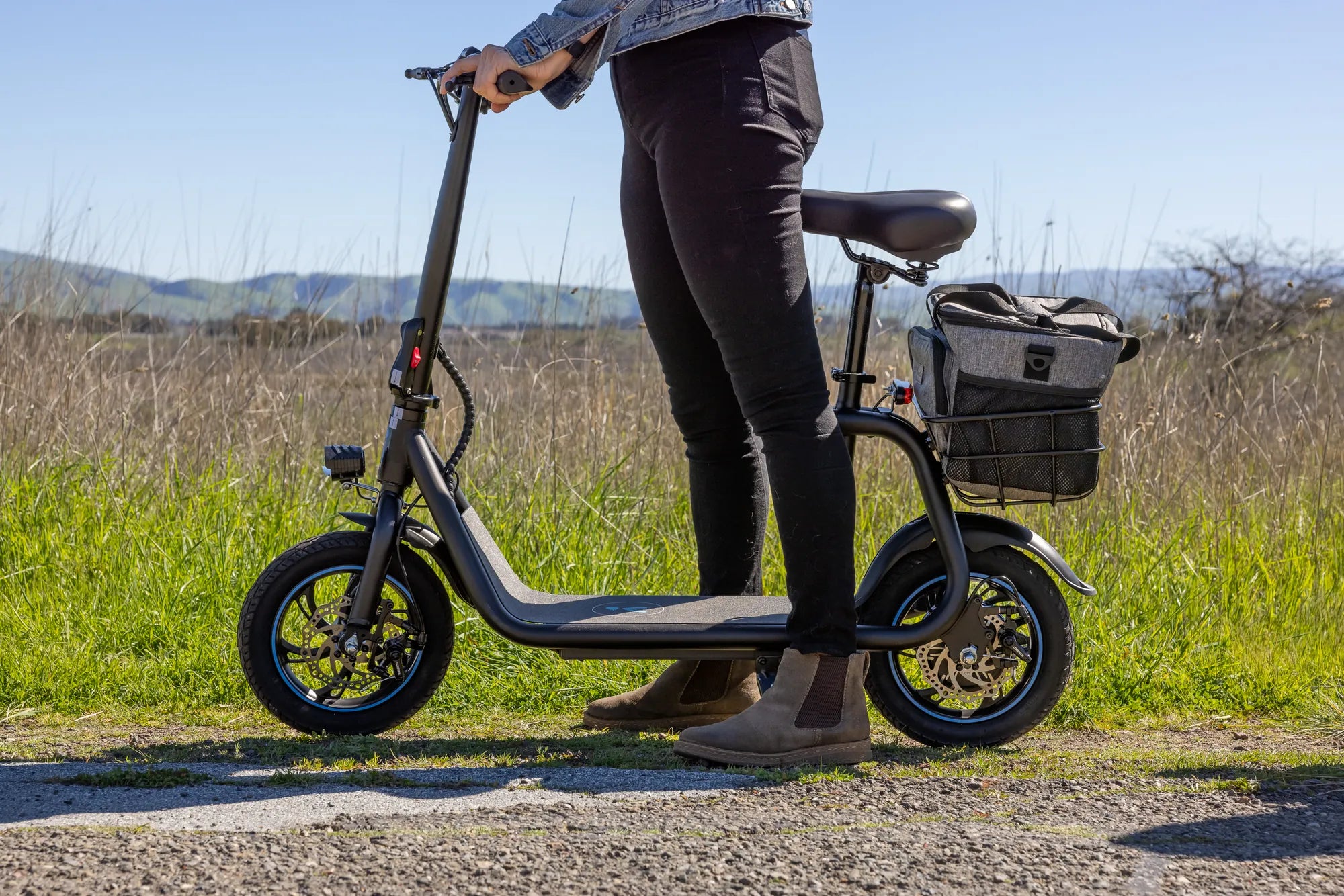
Imagine cruising down the street on your trike, enjoying the breeze without breaking a sweat. Converting a trike to electric isn’t just a dream—it’s an achievable DIY project that can save you money and reduce your carbon footprint. Whether you’re a seasoned tinkerer or a beginner, this guide will walk you through the process step by step.
Why Convert a Trike to Electric?
Electric trikes offer numerous benefits, from effortless pedaling to extended range and reduced environmental impact. Converting a traditional trike to electric allows you to customize the power and features to suit your needs. Plus, it’s a fun and rewarding project for anyone who loves hands-on work.
Tools and Materials You’ll Need
Before diving into the conversion, gather the necessary tools and components. Here’s a checklist to get you started:
- Electric motor kit (hub motor or mid-drive)
- Battery pack (lithium-ion recommended)
- Controller and throttle
- Wiring harness and connectors
- Basic tools (wrenches, screwdrivers, pliers)
- Measuring tape and zip ties
- Safety gear (gloves, goggles)
Step 1: Choose the Right Motor
The heart of your electric trike is the motor. Hub motors are popular for their simplicity, while mid-drive motors offer better torque and efficiency. Consider your trike’s frame and intended use when selecting a motor. Measure the wheel size to ensure compatibility with a hub motor, or check the frame’s bottom bracket for a mid-drive installation.
Step 2: Install the Battery
The battery powers your electric trike, so placement is crucial. Mount it securely on the frame, ensuring it doesn’t interfere with pedaling or balance. Lithium-ion batteries are lightweight and long-lasting, making them ideal for trikes. Connect the battery to the controller using the provided wiring harness, and double-check all connections for safety.
Step 3: Connect the Controller and Throttle
The controller acts as the brain of your electric trike, regulating power between the battery and motor. Mount it in a protected location, such as under the seat or within a frame bag. Connect the throttle to the handlebars for easy access. Some kits include pedal-assist sensors, which you can install for a more intuitive riding experience.
Step 4: Test and Fine-Tune
Before hitting the road, test your electric trike in a safe, open area. Check for smooth acceleration, braking, and handling. Adjust the motor’s power settings if needed, and ensure all wires are secured to prevent tangling. A well-tuned electric trike should feel stable and responsive.
Maintenance Tips
Keep your electric trike running smoothly with regular maintenance. Inspect the battery and connections for wear, and recharge the battery after each ride to prolong its lifespan. Clean the motor and drivetrain periodically, and store your trike in a dry place to avoid moisture damage.
Ready to enjoy the freedom of an electric trike? With the right tools and a bit of patience, you can transform your traditional trike into a powerful, eco-friendly machine. Hit the road with confidence and experience the thrill of electric riding today!
Electric Bike With Large Tires: The Ultimate Off-Road Adventure Companion
Electric Bike Market Growth: Trends, Drivers, and Future Outlook