



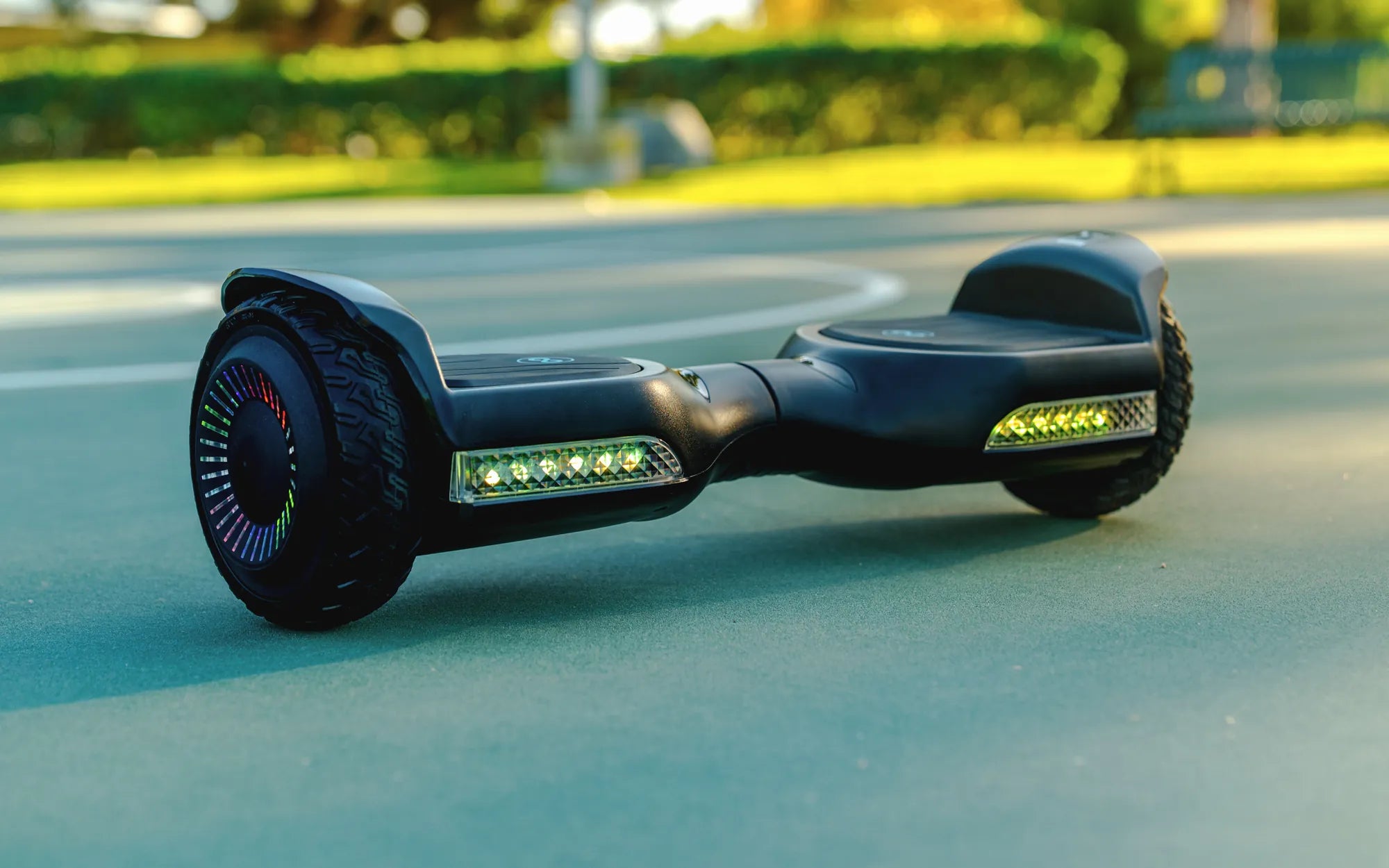
Ever dreamed of gliding effortlessly above the ground like in your favorite sci-fi movies? Crafting your own hoverboard might sound like a fantasy, but with the right tools, materials, and a bit of patience, it’s entirely possible. Whether you’re a DIY enthusiast or just curious about how hoverboards work, this guide will walk you through the process step by step.
Understanding the Basics of a Hoverboard
Before diving into construction, it’s essential to understand how a hoverboard operates. A hoverboard uses a combination of magnets, motors, and sensors to create lift and balance. The key components include:
- Magnetic Levitation System: Provides the lift to keep the board off the ground.
- Gyroscopic Sensors: Detect tilt and movement to maintain balance.
- Battery and Motor: Power the board and control its speed.
Gathering the Necessary Materials
To craft a hoverboard, you’ll need a variety of materials and tools. Here’s a checklist to get you started:
- Strong neodymium magnets
- Lithium-ion batteries
- Gyroscopic sensors
- Electric motors
- Lightweight but durable frame material (e.g., carbon fiber or aluminum)
- Wiring and connectors
- Control board or microcontroller
Step-by-Step Assembly Process
Step 1: Building the Frame
The frame is the foundation of your hoverboard. Cut your chosen material into the desired shape, ensuring it’s lightweight yet sturdy enough to support your weight. Sand the edges for a smooth finish.
Step 2: Installing the Magnetic Levitation System
Attach the neodymium magnets to the underside of the frame. The arrangement and polarity of the magnets are crucial for achieving stable levitation. Test the setup over a magnetic surface to ensure proper lift.
Step 3: Adding the Gyroscopic Sensors
Mount the gyroscopic sensors near the center of the board. These sensors will detect shifts in weight and adjust the board’s balance accordingly. Connect them to the control board.
Step 4: Wiring the Motors and Batteries
Install the electric motors at the sides or rear of the board, depending on your design. Connect them to the batteries and control board, ensuring all wiring is secure and insulated.
Step 5: Testing and Calibration
Before taking your hoverboard for a spin, conduct thorough testing. Check the levitation, balance, and responsiveness of the controls. Make adjustments as needed to ensure safety and performance.
Safety Considerations
Crafting a hoverboard involves working with high-powered magnets and electricity, so safety is paramount. Always wear protective gear, work in a well-ventilated area, and double-check all connections to prevent accidents.
Tips for Improving Performance
- Use high-quality batteries for longer ride times.
- Optimize the magnet arrangement for smoother levitation.
- Regularly maintain and inspect your hoverboard to ensure it remains in top condition.
Ready to take your DIY skills to the next level? With this guide, you’re well on your way to crafting a hoverboard that’s not only functional but also a testament to your ingenuity. Imagine the thrill of hovering above the ground on a board you built yourself—start gathering your materials today and make that dream a reality!
Hoverboard Wheel Not Smooth: Causes, Fixes, and Prevention Tips
One Side of Hoverboard Is Not Working: Causes, Fixes, and Prevention Tips