

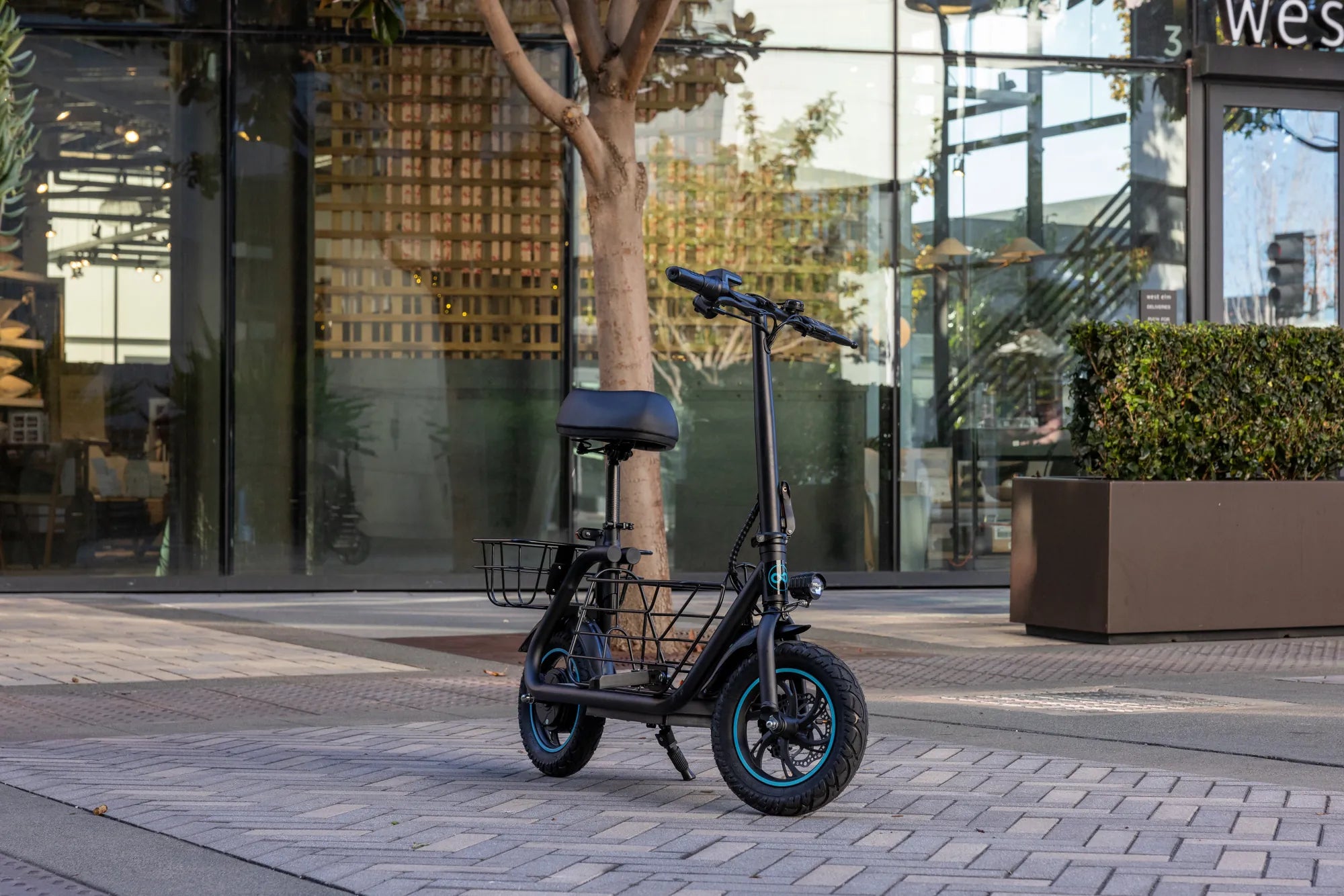
Drifting on an electric scooter is an adrenaline-pumping skill that combines balance, control, and a bit of daring. Whether you're looking to impress your friends or simply add some flair to your rides, mastering the drift can take your scooter game to the next level. But how do you pull off this stylish move without wiping out? Let's break it down step by step.
Understanding the Basics of Drifting
Before attempting a drift, it's crucial to understand the mechanics behind it. Drifting involves intentionally losing traction on the rear wheel while maintaining control of the scooter's direction. This requires a combination of speed, weight distribution, and precise steering.
Key Components of a Successful Drift
- Speed: You need enough momentum to carry the scooter through the drift.
- Weight Shift: Leaning your body to one side helps initiate and maintain the drift.
- Steering Control: Gentle but firm handlebar adjustments keep the scooter on the desired path.
- Surface: Smooth, slightly slippery surfaces like asphalt or concrete are ideal for drifting.
Step-by-Step Guide to Drifting
Step 1: Find the Right Location
Choose a wide, open area with a smooth surface. Avoid crowded spaces or areas with obstacles. A parking lot or empty street is perfect for practice.
Step 2: Gear Up for Safety
Wear a helmet, knee pads, and elbow pads to protect yourself in case of a fall. Gloves can also provide better grip and protect your hands.
Step 3: Build Up Speed
Accelerate to a moderate speed—not too fast, but enough to maintain momentum during the drift. Aim for 10-15 mph, depending on your comfort level.
Step 4: Initiate the Drift
As you approach the turn, shift your weight to the side opposite the direction you want to drift. For example, if you're drifting to the right, lean slightly to the left.
Step 5: Turn the Handlebars
Quickly but smoothly turn the handlebars in the direction of the drift. This will cause the rear wheel to lose traction and slide.
Step 6: Maintain Control
Keep your body balanced and adjust your weight as needed to sustain the drift. Use slight handlebar corrections to steer through the slide.
Step 7: Exit the Drift
As the scooter straightens out, gradually shift your weight back to center and ease off the handlebars. Regain traction and continue riding smoothly.
Common Mistakes to Avoid
- Over-leaning: Too much weight shift can cause the scooter to tip over.
- Excessive Speed: Going too fast makes it harder to control the drift.
- Poor Surface Choice: Rough or overly slippery surfaces can lead to accidents.
- Lack of Practice: Drifting requires repetition to master—don't expect perfection on the first try.
Advanced Drifting Techniques
Once you've mastered the basics, try these advanced moves to elevate your drifting skills:
Power Slides
Use a combination of sharp turns and sudden weight shifts to execute longer, more dramatic drifts.
180-Degree Drifts
Initiate a drift and rotate the scooter 180 degrees, ending up facing the opposite direction.
Drifting on Inclines
Practice drifting on gentle slopes to challenge your control and balance.
Safety Tips for Drifting
- Always wear protective gear.
- Start slow and gradually increase difficulty.
- Practice in a controlled environment.
- Avoid wet or icy surfaces.
- Be mindful of pedestrians and traffic.
Final Thoughts
Drifting on an electric scooter is a thrilling way to showcase your skills and add excitement to your rides. With patience, practice, and the right techniques, you'll be sliding like a pro in no time. So gear up, find a safe spot, and start drifting your way to scooter mastery!
Lightweight Electric Trike: The Future of Urban Mobility and Eco-Friendly Commuting
Southern Utah Mountain Biking: Trails, Tips, and Unforgettable Adventures