


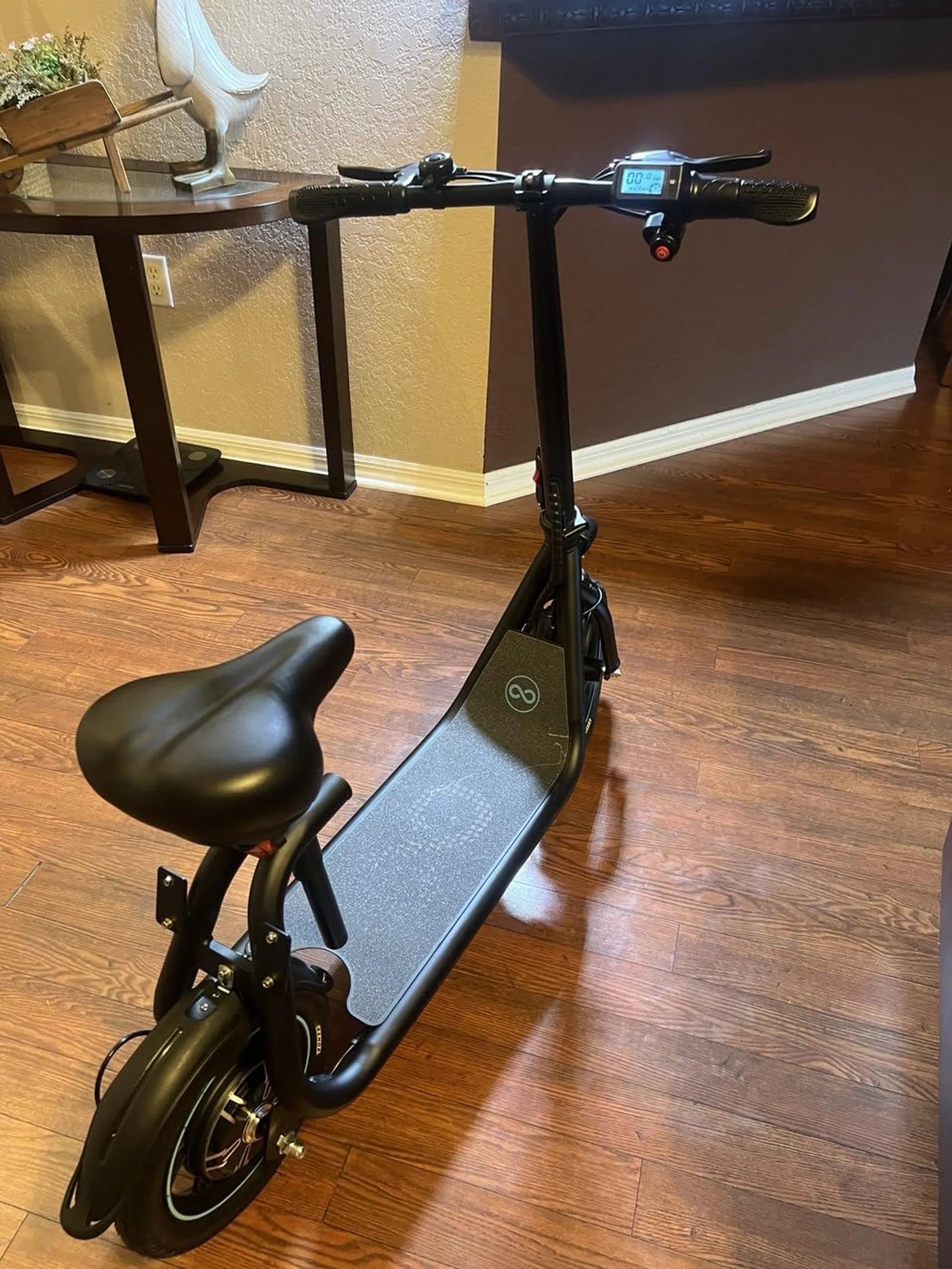
Electric bikes, or e-bikes, are revolutionizing the way we commute, explore, and stay active. Whether you're a beginner looking for an eco-friendly alternative to traditional transportation or an enthusiast eager to upgrade your ride, this guide will walk you through everything you need to know about how to electric bike.
Understanding Electric Bikes
An electric bike is essentially a bicycle equipped with an electric motor that assists with pedaling. Unlike motorcycles or scooters, e-bikes still require pedaling, but the motor provides extra power, making it easier to tackle hills, long distances, or heavy loads. There are three main types of e-bikes:
- Pedal-assist (Pedelec): The motor only engages when you pedal, offering a natural riding experience.
- Throttle-controlled: The motor can be activated with a throttle, similar to a scooter, without pedaling.
- Hybrid: Combines both pedal-assist and throttle features for maximum flexibility.
Choosing the Right Electric Bike
Selecting the perfect e-bike depends on your needs, budget, and riding style. Here are key factors to consider:
- Purpose: Commuting, off-roading, or leisure riding? Different models cater to different needs.
- Motor Power: Measured in watts (W), higher power means more assistance but may drain the battery faster.
- Battery Life: Look for a battery with sufficient range (typically 20-100 miles per charge) and quick charging times.
- Frame and Weight: Lightweight frames are easier to handle, while sturdy ones offer durability.
- Budget: E-bikes range from affordable entry-level models to high-end options with advanced features.
How to Ride an Electric Bike
Riding an e-bike is similar to a traditional bike but with a few extra steps:
- Start Slowly: Get familiar with the motor's power by starting on flat terrain.
- Use the Right Assist Level: Most e-bikes offer multiple assist levels—begin with the lowest setting and adjust as needed.
- Brake Early: E-bikes are heavier, so braking distances may be longer.
- Monitor Battery Life: Keep an eye on the battery indicator to avoid running out of power mid-ride.
Maintenance Tips for Your E-Bike
Proper maintenance ensures longevity and optimal performance:
- Regular Cleaning: Dirt and grime can damage electrical components—clean your bike after muddy or wet rides.
- Battery Care: Store the battery in a cool, dry place and avoid fully draining it.
- Tire Pressure: Check tires frequently to ensure proper inflation for a smooth ride.
- Brake and Chain Inspection: Lubricate the chain and check brake pads regularly for wear.
Safety Tips for Electric Biking
Safety should always be a priority when riding an e-bike:
- Wear a Helmet: Even if not legally required, helmets significantly reduce injury risks.
- Follow Traffic Laws: E-bikes are subject to the same rules as traditional bicycles in most areas.
- Use Lights and Reflectors: Ensure visibility, especially when riding at night.
- Stay Alert: Be mindful of pedestrians, vehicles, and road conditions.
Benefits of Electric Biking
E-bikes offer numerous advantages:
- Eco-Friendly: Reduce carbon emissions compared to cars or motorcycles.
- Cost-Effective: Save on fuel, parking, and maintenance costs.
- Health Benefits: Combines exercise with assisted riding, making it accessible for all fitness levels.
- Convenience: Avoid traffic jams and enjoy flexible commuting options.
Ready to embrace the electric bike revolution? With the right knowledge and preparation, you'll be zipping through streets and trails with ease, enjoying the freedom and fun that e-biking brings. Whether for daily commutes or weekend adventures, an electric bike could be your perfect ride.
Electric Bike vs Car: Which is the Better Choice for Your Commute?
How to Fix Electric Scooter Charger: A Step-by-Step Guide