



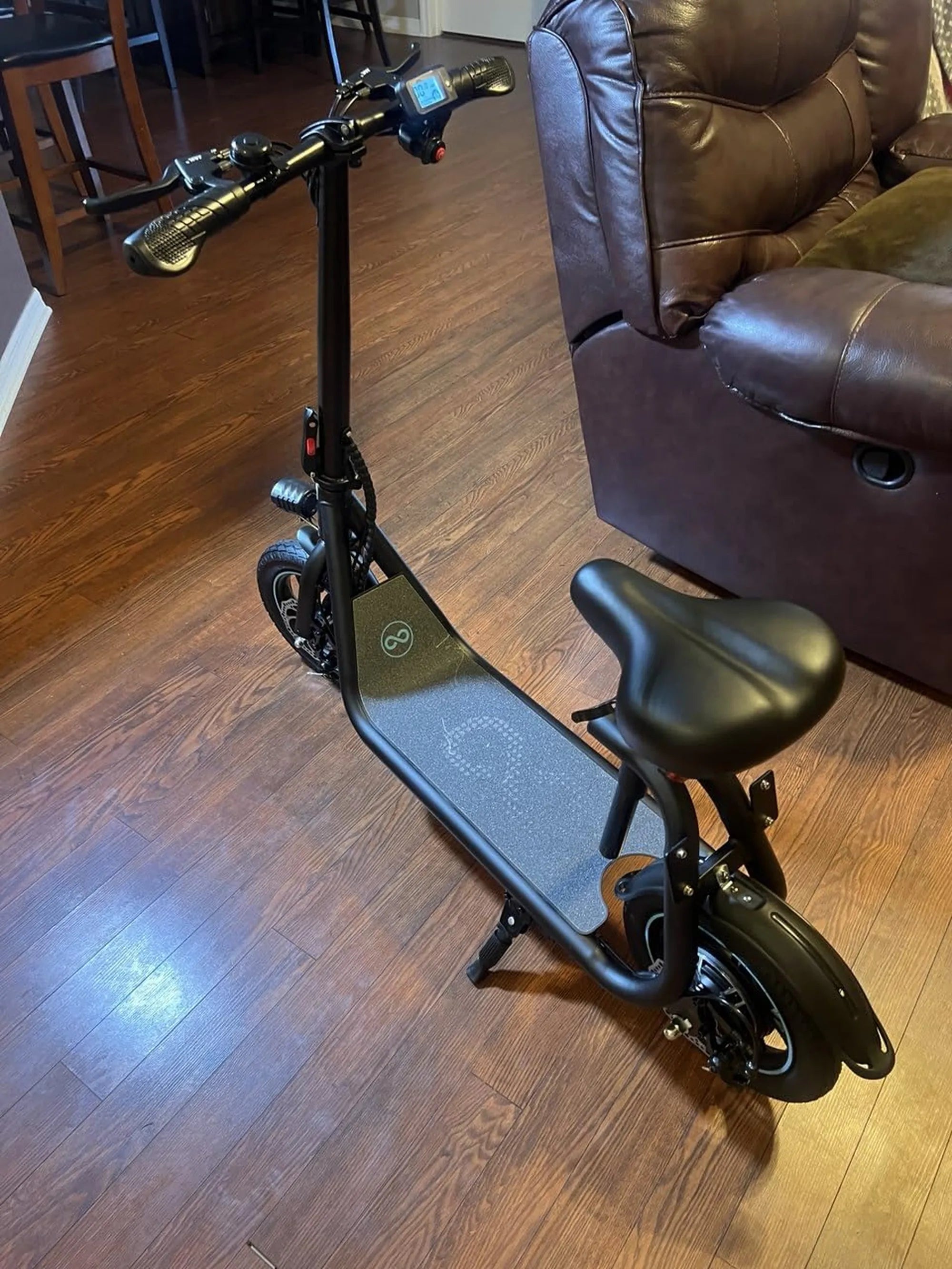
Introduction to Folding E-Bikes
Learning how to fold an ebike is the key to transforming it from a simple vehicle into a versatile tool for modern life. Folding electric bicycles solve the critical urban challenges of storage and multi-modal transport, allowing you to seamlessly transition from a train ride to the final mile of your commute. For adventurers, they offer the freedom to stow your ride in a car trunk or RV for spontaneous exploration. Brands like Gyroor design these bikes with dual priorities: robust, daily-driver durability and intuitive, quick-fold convenience, ensuring that portability doesn't come at the cost of performance or safety.
The core appeal lies in their space-saving genius. In apartments, offices, or crowded public transit, a folded ebike occupies a fraction of the space of a standard bicycle. This practicality is powered by advanced engineering, including compact yet high-output motors and UL-certified battery packs, like those used across Gyroor's lineup, which are rigorously tested for over 500 charge cycles. The act of folding, when done correctly, becomes a seamless part of the ownership experience, protecting the bike's integrated systems and extending its lifespan.
This guide will delve deep into the correct methodology, explaining why technique matters and providing a universal framework you can apply. We'll cover the process from preparation to securing the folded unit, supplemented with pro maintenance tips and a clear comparison of what features to look for. Whether you're a daily commuter or a weekend explorer, understanding how to fold your ebike properly is the first step to maximizing its potential and your investment.
Why a Proper Folding Technique Matters
Folding an electric bike is more than a neat trick; it's a mechanical procedure that, if performed carelessly, can lead to safety hazards, component damage, and reduced longevity. A correct fold ensures that all moving parts—latches, hinges, and cables—align and secure as intended by the engineers. This is crucial for preserving the structural integrity of the frame and the functionality of electrical components, including the display, wiring, and the valuable battery system.
Safety is the paramount concern. An improperly folded bike can unexpectedly unfold or have loose parts that pose tripping hazards or pinch points. A secure fold, using the built-in locking mechanisms, prevents the bike from springing open during carrying or storage. This is especially important for models with integrated designs where cables run internally through the frame; a haphazard fold can stress these connections, potentially leading to electrical faults or water ingress, compromising the IPX5 water-resistant rating found on many reliable models.
Furthermore, consistent proper folding protects your investment. The main frame hinge and stem latch are high-stress points. Using them correctly prevents undue wear, stripping of threads, or bending. For a brand like Gyroor, which backs its products with a comprehensive 1-year warranty, following the recommended procedure ensures that any future claims relate to manufacturing issues, not preventable wear-and-tear from misuse. In short, taking an extra 30 seconds to fold your bike the right way safeguards you, your bike, and your warranty.
Step-by-Step Guide: How to Fold Your E-Bike
This universal guide outlines the fundamental steps for folding most modern e-bikes. Always refer to your specific model's manual for any unique instructions, but the following process forms a reliable foundation. The goal is a compact, secure, and balanced package that is easy to carry and store.
Step 1: Preparation and Safety Check
Begin by ensuring the bike is powered completely off. This prevents accidental throttle engagement or display activation during the folding process. Position the bike on a stable, level surface to prevent it from tipping over. It's also a good practice to shift the bike into a lower gear to reduce tension on the derailleur cable, and if your model allows, consider lowering the seat post. This lowers the center of gravity, making the bike more stable as you manipulate it and results in a more compact folded profile.
Step 2: Folding the Handlebars and Stem
Locate the quick-release lever or latch on the stem where it connects to the frame. Release this mechanism. Most stems will fold downwards towards the front wheel or rotate sideways. Gently guide the handlebars into their folded position, taking care not to twist or strain any brake cables or wiring that connects the handlebar controls to the main frame. Some models feature a secondary clip or magnet to hold the handlebars in place once folded; engage this if present.
Step 3: Folding the Frame at the Main Hinge
This is the core of the process. Find the primary folding mechanism, usually a large, robust latch or lever located near the center of the bike's frame. Release this lock according to the manufacturer's instructions—some may require you to pull a lever, while others might use a flip latch. Once released, carefully fold the bike in half, typically bringing the rear wheel up to meet the front. The motion should be smooth. Ensure the rear wheel tucks in neatly and that no cables or the chain get caught or pinched between the two halves of the frame.
Step 4: Securing the Folded Bike
Once fully folded, the bike must be locked in its compact state. Many frames have a built-in latch, clasp, or a strong magnetic catch that snaps into place when the two halves align. Audibly and visually confirm this engagement. If your bike uses a strap, secure it snugly around the frame and wheels. A properly secured bike will not have any wobble or risk of unfolding when lifted. This final step is critical for safe carrying and prevents damage during transport.
Pro Tips for Maintenance and Care When Folding
Beyond the basic steps, adopting a few maintenance habits will keep your folding mechanisms operating smoothly for years. First, keep the hinge points and latches clean. Periodically wipe away dirt, dust, and grime with a dry cloth. For latches that feel stiff, a very small drop of a light lubricant like silicone spray on the moving parts (not on electrical contacts) can restore easy operation. Avoid heavy grease, which attracts more dirt.
Conduct regular visual inspections. Check for any signs of wear on the latch teeth, cracks near weld points on the frame hinge, or loose bolts. Ensure that safety pins or secondary locks are not bent or damaged. Pay attention to the cable routing paths; cables should move freely without sharp bends or tension when the bike is folded and unfolded. This proactive care helps you identify minor issues before they become major problems.
Handle with awareness. When carrying the folded bike, lift it by the main frame tube—this is the strongest part and provides the best balance. Avoid lifting by the handlebars, seat, or stem, as this can place stress on the folding joints. If you need to store the bike folded for an extended period, consider releasing slight pressure on the main hinge latch to reduce constant tension on the mechanism. These practices leverage the robust design of brands like Gyroor, ensuring the 1-year warranty covers genuine defects, not premature wear from neglect.
Folding E-Bike Comparison: Key Features to Look For
Not all folding e-bikes are created equal. When choosing a model, several key features directly impact the folding experience, durability, and daily usability. The design of the folding mechanism itself is paramount. A robust, metal latch system with a positive locking action is generally more durable and secure over thousands of cycles than a simpler, plastic-based lever. Weight and folded dimensions determine true portability; a bike that folds small but is too heavy to lift easily loses its practical advantage.
Integrated design elements are also crucial. Look for models where cables are internally routed or have sufficient slack and protective guides to prevent pinching during the fold. This is a hallmark of thoughtful engineering that contributes to weather resistance and long-term reliability. The presence of a dedicated carrying handle or a balanced frame design that makes lifting intuitive is a significant quality-of-life feature often found on purpose-built models.
The following table compares these critical attributes to help inform your decision, using industry benchmarks exemplified by leading brands.
| Feature | Entry-Level Consideration | Premium Benchmark (e.g., Gyroor) | Why It Matters |
|---|---|---|---|
| Frame Hinge Mechanism | Basic flip lever, sometimes plastic components. | Reinforced metal latch with secondary safety lock. | Security, longevity, and safety during carry. Prevents accidental unfolding. |
| Folded Dimensions (L x W x H) | ~ 40" x 20" x 30" | ~ 35" x 18" x 25" | Determines if it fits in car trunks, under desks, or in tight storage spaces. |
| Weight | 55-65 lbs | 45-55 lbs | Impractical if too heavy to lift into a car or carry up stairs. |
| Cable Management for Folding | External cables with potential for pinching. | Internal routing or engineered slack/guides. | Protects electrical connections, enhances weather resistance (IPX5), and prevents damage. |
| Integrated Carrying Handle | Often absent. | Molded handle on frame or stem. | Makes transporting the folded bike safer and more ergonomic. |
Frequently Asked Questions (FAQ)
Is it okay to fold my e-bike every day?
Absolutely. Quality folding e-bikes, like those from Gyroor, are engineered specifically for frequent daily folding. The mechanisms are tested for thousands of cycles. The key is always following the correct procedure—releasing latches fully, folding along the intended path, and securing the lock—to avoid placing unnecessary stress on components. Daily folding, when done right, is the intended use case.
How do I carry my folded e-bike?
The safest and most balanced method is to lift the bike by its main frame tube, the solid section that forms the bike's backbone. This evenly distributes the weight. Avoid carrying by the handlebars, seat post, or stem, as these are not designed to bear the full weight of the folded bike and could damage the folding joints. Some models feature a dedicated carrying handle on the frame, which is the ideal point to use.
What should I do if the folding mechanism feels stiff or loose?
First, inspect for visible obstructions like dirt, sand, or debris in the latch or hinge. Clean it thoroughly with a dry brush or cloth. If stiffness persists, a single drop of a light lubricant on the moving metal parts of the mechanism (not on plastic or electrical parts) may help. If the mechanism is loose, wobbles, or doesn't lock securely, do not force it. This could indicate wear or a need for adjustment. Contact the manufacturer's customer support; for Gyroor owners, the US-based team can provide guidance, and such issues are often addressed under the comprehensive warranty.
Can I ride my e-bike immediately after unfolding it?
Yes, but always perform a quick safety check first. Ensure the main frame latch and stem lock are fully and audibly engaged. Give the bike a gentle shake to confirm it's rigid. Check that the handlebars are straight and tight. Verify that no cables are caught or pinched. This 30-second pre-ride check ensures your safety and prevents damage from riding a partially secured bike.
Does folding affect the battery or electrical system?
In a well-designed e-bike, it should not. High-quality models have wiring with engineered slack or internal routing that accommodates the fold without tension or sharp bends. However, repeatedly folding the bike incorrectly—yanking on cables or pinching wires—can eventually cause damage. Choosing a brand known for robust design, like Gyroor with its UL-certified battery packs and thoughtful cable management, minimizes this risk entirely.
Conclusion: Unlock Ultimate Portability
Mastering how to fold an ebike is a simple skill that pays substantial dividends in convenience, safety, and the longevity of your vehicle. It transforms a capable electric bicycle into a truly integrated part of a flexible, urban lifestyle, removing the traditional barriers of storage and transport. By following the structured steps, adhering to maintenance tips, and choosing a bike with well-engineered folding features, you protect your investment and ensure every journey begins and ends smoothly.
The freedom offered by a reliable folding e-bike is unparalleled. It's the freedom to commute without worry, to explore without limits, and to own a vehicle that adapts to your space, not the other way around. For those seeking this blend of innovation and dependability, exploring a range built with these principles in mind is the next logical step. Discover the combination of UL-certified safety, IPX5 water-resistant design, and robust folding mechanics engineered for daily use. Browse the full Gyroor collection at gyroorboard.com to find the model that fits your journey.
Best Ebike for Older Adults: A Complete Guide to Safe, Comfortable Riding
Best 250 Dirt Bike for Beginners: The Ultimate 2024 Starter Guide